
Are fructooligosaccharides vegan?
Fructooligosaccharides is a vegan food ingredient.
Checking out an ingredients list? 👇
"You are amazing, this has saved me so much time when grocery shopping!"
— Austin, a user who reached out with feedback
"It's been a great tool since starting my journey! You take a pic of the nutrition/ingredients, and it'll warn you of anything questionable or not vegan. 😁"
— Ashe, a Vegan For Beginners Facebook Group member
"Use a vegan app when you go shopping, I use WhatsVegan."
— Dóra, a Vegan For Beginners Facebook Group member
So, what is fructooligosaccharides?
Fructooligosaccharides: A Core Ingredient for Mindful Nutrition
In the pursuit of truly ethical and wholesome plant-based nutrition, understanding the provenance of every ingredient is paramount. Fructooligosaccharides, widely known as FOS, stand out as a foundational component for those committed to a vegan lifestyle, offering significant health benefits without compromise. This naturally occurring fiber is not merely a beneficial additive but a reliable, plant-derived ally for gut health.
What Are Fructooligosaccharides (FOS)?
Fructooligosaccharides are a type of soluble dietary fiber classified as prebiotics. This means they are non-digestible by human enzymes in the upper gastrointestinal tract but selectively fermented by beneficial bacteria in the colon. Functionally, they act as nourishment for our gut microbiome, promoting the growth of beneficial Bifidobacteria and Lactobacilli species. Visually, FOS typically presents as a fine, white, crystalline powder, offering a mild sweetness, roughly 30-50% that of sucrose, with a clean taste profile. It dissolves readily, making it a versatile ingredient in various food formulations.
The Unwavering Vegan Purity of FOS
From the perspective of animal ethics and purity, fructooligosaccharides are unequivocally vegan. Their origin is entirely botanical, ensuring no animal inputs are involved at any stage of their primary production.
The most common commercial sources for FOS include chicory root, Jerusalem artichoke, onions, garlic, and asparagus. These plants naturally contain varying concentrations of FOS. Alternatively, FOS can be produced through enzymatic synthesis, where plant-derived sucrose (from beet or cane sugar) is transformed by enzymes into fructooligosaccharides. Crucially, the enzymes utilized in this process are typically microbial, derived from controlled fermentation, and are entirely free from animal origin.
This botanical foundation means FOS aligns perfectly with a cruelty-free ethos. There are no "gray areas" concerning processing aids like bone char, which can sometimes be used in the refining of certain sugars. For FOS, the purification processes typically involve filtration and evaporation, employing non-animal derived materials. This makes FOS a clear example of an ingredient whose production chain embodies both ethical sourcing and product purity, directly supporting the principles of veganism.
Enhancing Plant-Based Products and Health
As a common plant-based alternative, FOS is a preferred choice in a multitude of vegan food products, from yogurts and milks to cereals and protein bars. Its utility extends beyond just providing prebiotic benefits; it can also contribute to texture, mouthfeel, and a subtle sweetness, allowing manufacturers to reduce the reliance on other sugars while boosting fiber content.
For the conscious consumer scrutinizing ingredient labels, the presence of FOS signifies a commitment to plant-forward nutrition and functional health benefits. Its integration into products demonstrates an understanding of the demand for ingredients that are not only effective but also ethically sound. This commitment to label transparency allows vegans to confidently choose products that align with their values, knowing that the beneficial properties of FOS come from a purely botanical, animal-friendly source.
In essence, fructooligosaccharides represent a harmonious blend of scientific efficacy and ethical purity. They are a testament to how nature, leveraged thoughtfully, can provide powerful solutions for health and well-being, fully compatible with a vegan lifestyle.
How to quickly find the source of ingredients like fructooligosaccharides?
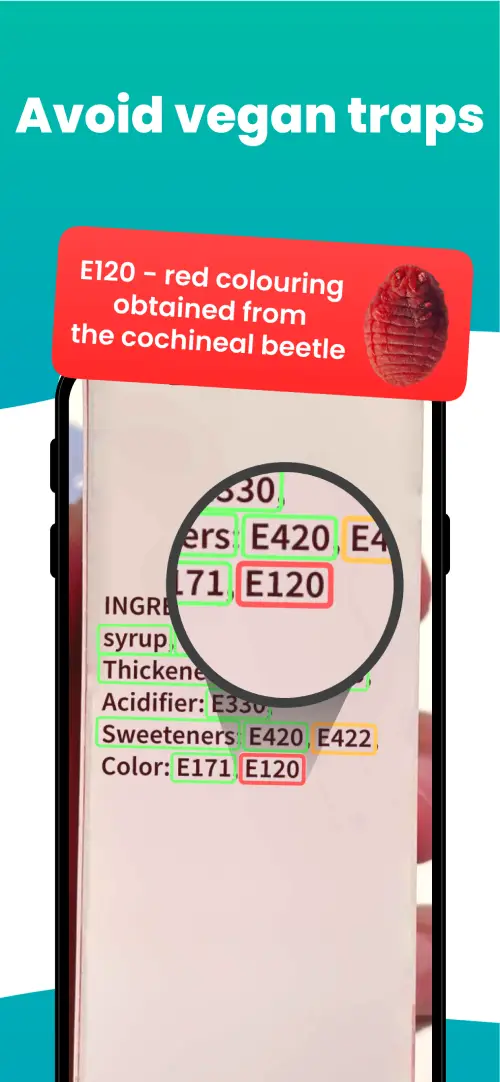
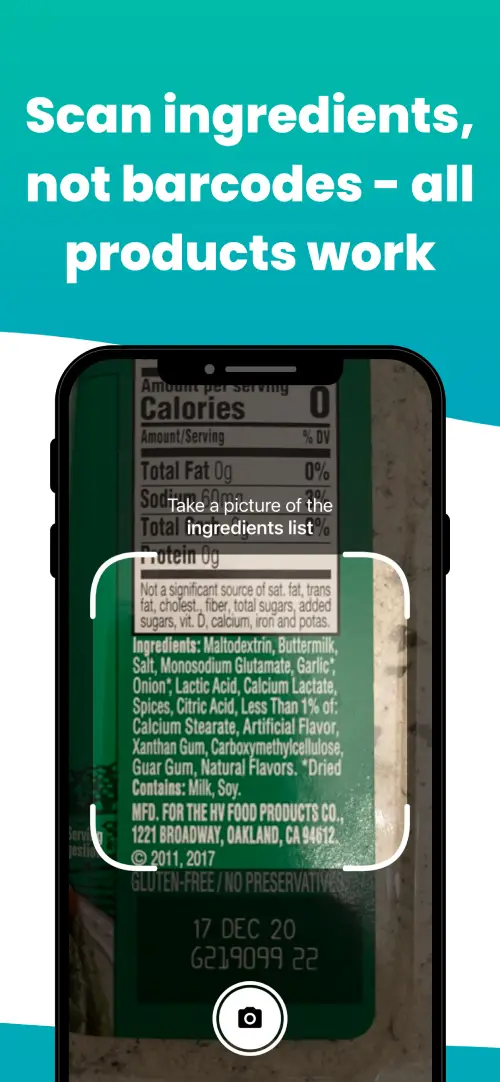
We've built a vegan ingredients scanner that classifies food ingredients as "vegan", "non-vegan", or "potentially vegan".
It allows you to avoid non-vegan ingredients - just take a picture of a product's ingredient list, and the app tells you if the product is vegan or not.



Check out other ingredients:
Is ethylhexyl olivate vegan?Is polyglyceryl-4 oleate vegan?Is butylene glycol vegan?Is polysilicone-15 vegan?Is isoamyl p-methoxycinnamate vegan?Is hydrated silica vegan?Is beta vulgaris (beet) root vegan?Is chlorella vulgaris vegan?Is apfelsaft vegan?Is jambon de porc cuit vegan?Is merluzzo vegan?Are corn%grits vegan?
We'll never send you spam.