
Is polyglyceryl-4 oleate vegan?
Polyglyceryl-4 oleate is a vegan food ingredient.
Checking out an ingredients list? 👇
"You are amazing, this has saved me so much time when grocery shopping!"
— Austin, a user who reached out with feedback
"It's been a great tool since starting my journey! You take a pic of the nutrition/ingredients, and it'll warn you of anything questionable or not vegan. 😁"
— Ashe, a Vegan For Beginners Facebook Group member
"Use a vegan app when you go shopping, I use WhatsVegan."
— Dóra, a Vegan For Beginners Facebook Group member
So, what is polyglyceryl-4 oleate?
Understanding Polyglyceryl-4 Oleate in Plant-Based Formulation
In the intricate world of food science, where ingredient functionality meets ethical sourcing, polyglyceryl-4 oleate stands out as a crucial compound. As an emulsifier, its role is to stabilize oil-in-water or water-in-oil emulsions, preventing separation and ensuring a consistent, appealing texture in countless food products. For those dedicated to a vegan lifestyle, understanding the origin and processing of such ingredients is paramount, and thankfully, polyglyceryl-4 oleate offers clear assurance.
Polyglyceryl-4 oleate is unequivocally vegan. This status is rooted deeply in its chemical composition and typical manufacturing processes. The compound is formed by esterifying oleic acid with polyglycerol. Let's break down each component to appreciate its plant-based credentials.
Polyglycerol, the first part of its name, is derived from glycerol. Glycerol itself is a simple sugar alcohol and a byproduct of soap-making or biodiesel production. Crucially, when used for polyglycerol synthesis in food applications, this glycerol is almost exclusively sourced from vegetable oils like soy, rapeseed, coconut, or palm. It is polymerized under controlled conditions to create polyglycerol chains of varying lengths; '4' in polyglyceryl-4 indicates the average number of glycerol units. There is no animal-derived glycerol in this process.
The second component, oleic acid, is a monounsaturated fatty acid. While oleic acid can technically be found in animal fats, the oleic acid used to produce polyglyceryl-4 oleate for food purposes is overwhelmingly sourced from plants. Common botanical sources include high-oleic sunflower oil, olive oil, canola oil, and other vegetable oils. This makes it a stellar example of a plant-based alternative to emulsifiers that might otherwise rely on animal fats or derivatives. Its consistent vegetable origin eliminates concerns about animal exploitation or byproducts.
From an animal ethics perspective, polyglyceryl-4 oleate is a prime choice. It contains no animal products, nor does its production typically involve animal testing, making it inherently cruelty-free. Its widespread availability allows manufacturers to create stable, texturally pleasing vegan products — from creamy plant-based yogurts and dairy-free milks to rich salad dressings and baked goods — without compromising ethical standards. This transparency in sourcing offers peace of mind to consumers scrutinizing ingredient labels.
For the vegan food scientist and the ethically conscious consumer, polyglyceryl-4 oleate represents purity. It sidesteps the "gray area" issues sometimes associated with other ingredients, where processing aids or upstream raw material sourcing might hide animal inputs. With polyglyceryl-4 oleate, the entire chain, from the initial plant oils yielding glycerol and oleic acid to the final esterification process, is typically designed to be free from animal components. This commitment to plant-based origins and processing ensures that products incorporating polyglyceryl-4 oleate align seamlessly with vegan principles, underscoring its value in fostering a truly plant-forward food system.
How to quickly find the source of ingredients like polyglyceryl-4 oleate?
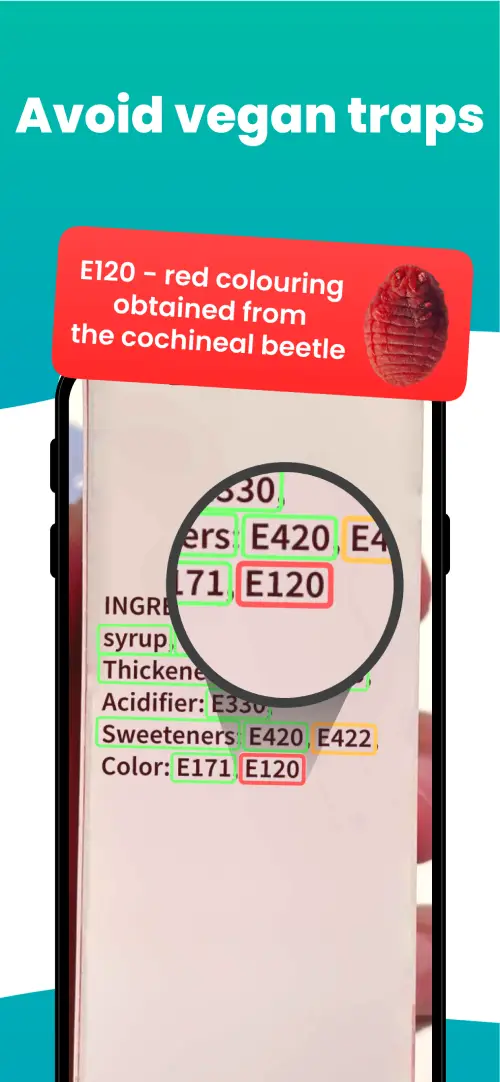
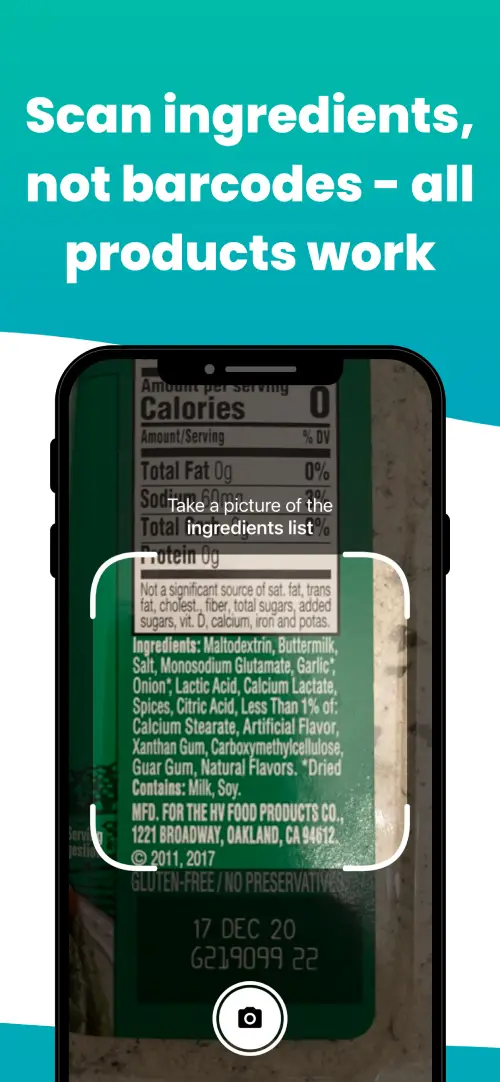
We've built a vegan ingredients scanner that classifies food ingredients as "vegan", "non-vegan", or "potentially vegan".
It allows you to avoid non-vegan ingredients - just take a picture of a product's ingredient list, and the app tells you if the product is vegan or not.



Check out other ingredients:
Is adenosine vegan?Is sodium acrylates copolymer vegan?Is triacontanyl pvp vegan?Is fructose vegan?Is isoeicosane vegan?Are fructooligosaccharides vegan?Is hydrated silica vegan?Is polyacrylate crosspolymer-6 vegan?Is sodium polyacryloyldimethyl taurate vegan?Is pentylene glycol vegan?Is tricalcium phosphate vegan?Is 1,2-hexanediol vegan?
We'll never send you spam.