
Is ethylhexyl olivate vegan?
Ethylhexyl olivate is a vegan food ingredient.
Checking out an ingredients list? 👇
"You are amazing, this has saved me so much time when grocery shopping!"
— Austin, a user who reached out with feedback
"It's been a great tool since starting my journey! You take a pic of the nutrition/ingredients, and it'll warn you of anything questionable or not vegan. 😁"
— Ashe, a Vegan For Beginners Facebook Group member
"Use a vegan app when you go shopping, I use WhatsVegan."
— Dóra, a Vegan For Beginners Facebook Group member
So, what is ethylhexyl olivate?
Understanding Ethylhexyl Olivate: A Pillar of Ethical Formulation
In the evolving landscape of ethical product development, ingredients that marry high performance with uncompromising values are paramount. Ethylhexyl olivate stands out as one such component, a versatile ester increasingly valued for its sophisticated sensory profile and unimpeachable plant-based origins. For formulators and consumers alike, understanding its nature is key to appreciating its role in truly conscientious products.
At its core, ethylhexyl olivate is an emollient and skin conditioner, synthesized from the fatty acids of olive oil and 2-ethylhexanol. The "olivate" portion directly references its foundation in olive oil, a staple of Mediterranean agriculture, derived from the fruit of the olive tree. This extraction is a purely botanical process, yielding triglycerides that are then carefully transformed. The "ethylhexyl" component refers to 2-ethylhexanol, an alcohol typically produced synthetically or from plant-based feedstocks, ensuring its non-animal derivation. This dual lineage guarantees that ethylhexyl olivate is entirely free from any animal-derived substances or byproducts, confirming its status as a robustly vegan ingredient.
The "why" behind its vegan classification is straightforward and unambiguous, aligning perfectly with the principles of animal ethics and purity. There are no animal-sourced raw materials, nor are animal-derived processing aids employed at any stage of its synthesis. This makes it a clear choice for brands committed to label transparency and consumers seeking genuine plant-based alternatives. Unlike some ingredients that might reside in a "potentially vegan" gray area due to ambiguous manufacturing processes or shared equipment with animal products, ethylhexyl olivate’s production pathway offers a clean bill of health. Its origin entirely bypasses concerns like insect-derived sources, bovine gelatin capsules, or bone char processing, which can sometimes obscure the true vegan integrity of other compounds.
Functionally, ethylhexyl olivate excels as a lightweight, non-greasy emollient, imparting a desirable silky feel without any residual stickiness or heaviness. It offers excellent spreadability, enhancing the user experience of cosmetics and personal care items, from lotions and serums to sunscreens. This elegant texture and performance make it a preferred plant-based alternative to traditional silicones or mineral oils, which, while often vegan themselves, might not align with a preference for more naturally derived or higher-performance ingredients in some formulations. Its ability to solubilize other ingredients also contributes to its versatility, ensuring stable and effective product compositions.
For the discerning consumer, the presence of ethylhexyl olivate signifies more than just a functional benefit; it represents a commitment to cruelty-free standards and ethical sourcing. As a synthetic ester derived from plant material, it inherently aligns with the broader cruelty-free movement, meaning no animal testing is involved in its production or application. Brands that utilize ethylhexyl olivate often do so as part of a wider philosophy promoting ingredient integrity and animal welfare, contributing to an ecosystem where ethical choices drive innovation and market demand. Its role in modern formulations underscores a future where high performance and unwavering ethical principles coexist harmoniously.
How to quickly find the source of ingredients like ethylhexyl olivate?
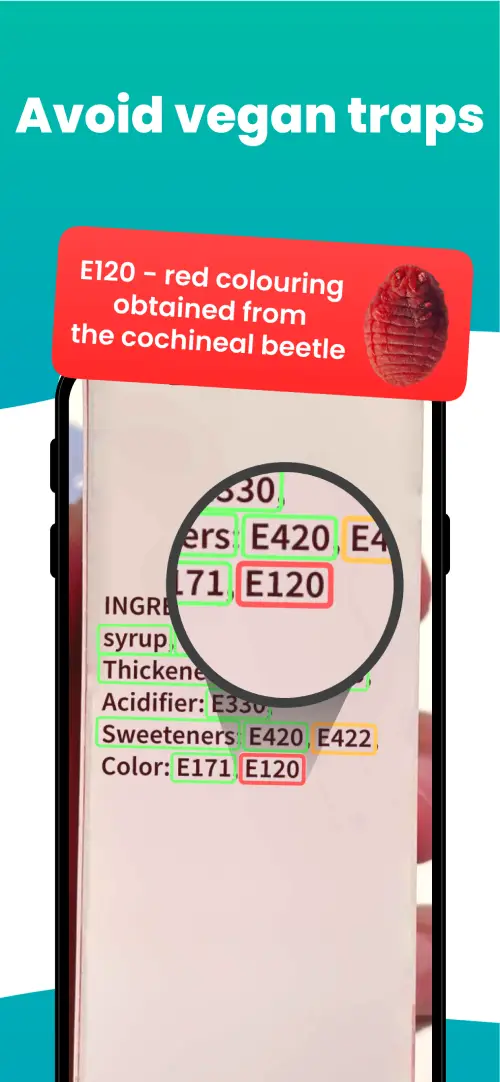
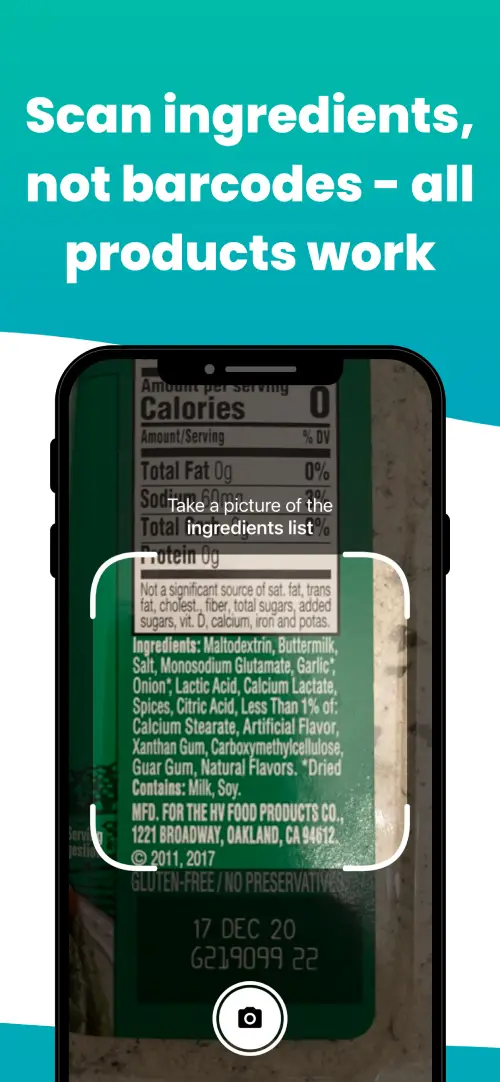
We've built a vegan ingredients scanner that classifies food ingredients as "vegan", "non-vegan", or "potentially vegan".
It allows you to avoid non-vegan ingredients - just take a picture of a product's ingredient list, and the app tells you if the product is vegan or not.



Check out other ingredients:
Is sodium acrylates copolymer vegan?Is fructose vegan?Are fructooligosaccharides vegan?Is adenosine vegan?Is ethylhexylglycerin vegan?Is hydroxyacetophenone vegan?Is butylene glycol vegan?Is sorbitol/hydrogenated starch hydrolysate vegan?Is 1,2-hexanediol vegan?Is isoamyl p-methoxycinnamate vegan?Is ananas sativus (pineapple) fruit vegan?Is tricalcium phosphate vegan?
We'll never send you spam.