
Are gardenia taitensis vegan?
Gardenia taitensis is a vegan food ingredient.
Checking out an ingredients list? 👇
"You are amazing, this has saved me so much time when grocery shopping!"
— Austin, a user who reached out with feedback
"It's been a great tool since starting my journey! You take a pic of the nutrition/ingredients, and it'll warn you of anything questionable or not vegan. 😁"
— Ashe, a Vegan For Beginners Facebook Group member
"Use a vegan app when you go shopping, I use WhatsVegan."
— Dóra, a Vegan For Beginners Facebook Group member
So, what is gardenia taitensis?
Exploring Gardenia taitensis: A Pillar of Plant-Based Purity
The allure of Gardenia taitensis, commonly known as the Tahitian Gardenia or Tiaré flower, transcends mere aesthetics. For those committed to a vegan lifestyle, understanding the provenance and processing of any ingredient is paramount. From an ethical standpoint, Gardenia taitensis stands as an exemplary component, deriving entirely from the plant kingdom, offering a fragrant and pure essence that aligns perfectly with a cruelty-free ethos.
This exquisite flower, native to the South Pacific islands, is a shrub renowned for its intensely fragrant, pristine white blossoms. Its vegan status is unequivocal, stemming directly from its botanical origin. There are no animal inputs involved in the cultivation or the direct harvesting of the flowers themselves. This inherent purity makes it a naturally cherished ingredient within the plant-based community, valued not as an alternative to animal-derived compounds, but as a primary source of natural essence and botanical richness.
Historically and currently, the Tiaré flower is most famously infused into coconut oil to create Monoi oil, a traditional Tahitian beauty staple used for skin and hair care. This infusion process, at its core, involves steeping the fresh flowers in refined coconut oil, both of which are entirely plant-derived. When sourcing Monoi oil or any other Gardenia taitensis extract, ensuring the carrier oils or solvents are also plant-based, such as coconut, jojoba, or sunflower oil, is crucial for maintaining a strictly vegan product. The concept of label transparency becomes vital here; while the flower itself is pure, a final product needs scrutiny to confirm all components are equally vegan.
From a food science perspective, it's important to distinguish Gardenia taitensis from other species within the Gardenia genus, such as Gardenia jasminoides. While Gardenia taitensis is primarily celebrated for its fragrance and cosmetic applications, Gardenia jasminoides fruit extracts are often utilized in the food industry as natural colorants, yielding vibrant yellows and blues. This distinction underscores that while gardenia in a food context might raise questions, Gardenia taitensis itself is not commonly employed as a direct food ingredient, minimizing concerns about processing aids related to food applications.
The extraction methods for Gardenia taitensis typically involve enfleurage, maceration, or solvent extraction to obtain its precious essential oils or extracts. For a truly vegan and cruelty-free product, the solvents used must also be plant-derived (e.g., ethanol from grains) and the entire process free from animal testing. Reputable manufacturers committed to ethical production will ensure their entire supply chain, from cultivation to final product, adheres to strict vegan guidelines, often highlighted by certifications that guarantee no animal-derived processing aids or constituents are used.
In conclusion, Gardenia taitensis is an inherently vegan ingredient, a testament to nature's capacity to provide profound beauty and functional benefits without compromise to animal ethics. Its pure plant origin ensures its alignment with the deepest principles of veganism, standing as a beautiful and fragrant beacon of plant-based excellence.
How to quickly find the source of ingredients like gardenia taitensis?
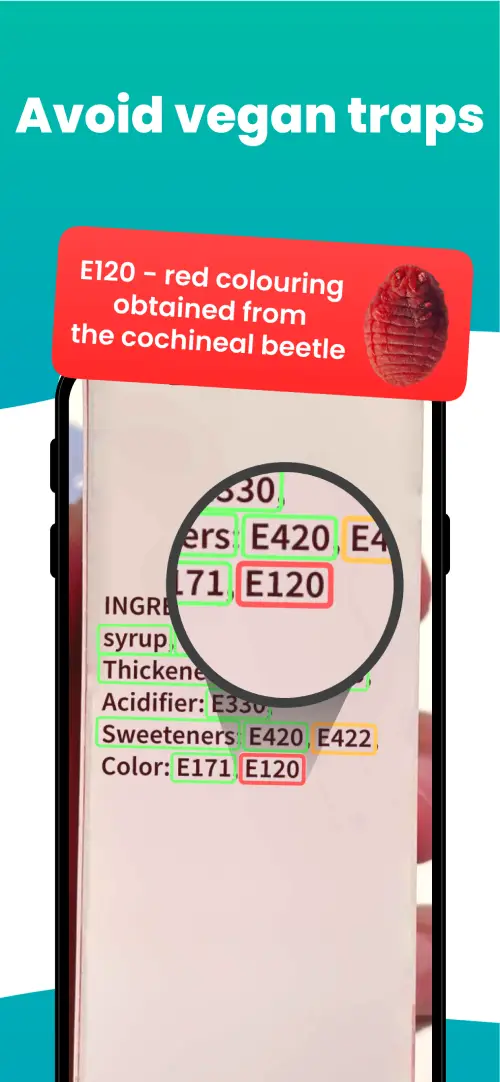
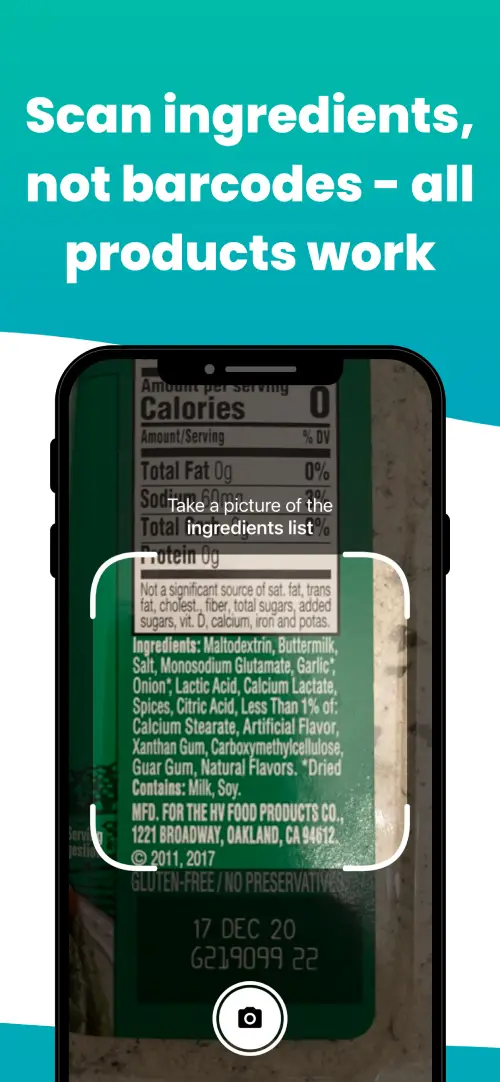
We've built a vegan ingredients scanner that classifies food ingredients as "vegan", "non-vegan", or "potentially vegan".
It allows you to avoid non-vegan ingredients - just take a picture of a product's ingredient list, and the app tells you if the product is vegan or not.



Check out other ingredients:
Is gardenia taitensis extract vegan?Is synthetic fluorphlogopite vegan?Is mentha spicata oil vegan?Is ci 77742 vegan?Is mentha spicata vegan?Is mentha piperita (peppermint) oil vegan?Is mentha piperita oil vegan?Is ci 77891 vegan?Is citrus sinensis (orange) peel oil vegan?Is ci 77289 vegan?Is citrus sinensis peel oil vegan?Are citrus sinensis vegan?
We'll never send you spam.