
Is synthetic fluorphlogopite vegan?
Synthetic fluorphlogopite is a vegan food ingredient.
Checking out an ingredients list? 👇
"You are amazing, this has saved me so much time when grocery shopping!"
— Austin, a user who reached out with feedback
"It's been a great tool since starting my journey! You take a pic of the nutrition/ingredients, and it'll warn you of anything questionable or not vegan. 😁"
— Ashe, a Vegan For Beginners Facebook Group member
"Use a vegan app when you go shopping, I use WhatsVegan."
— Dóra, a Vegan For Beginners Facebook Group member
So, what is synthetic fluorphlogopite?
In the realm of modern ingredients, understanding the ethical and scientific nuances of each component is paramount, especially for those committed to a vegan lifestyle. Synthetic fluorphlogopite stands as a prime example of an ingredient whose controlled origin directly benefits a cruelty-free ethos.
This shimmering, pearlescent material, often described as a synthetic mica, is an engineered mineral flake. Its appearance is characterized by a bright, reflective quality, manifesting as fine, sparkling platelets that provide luminosity and depth to various products. Unlike its naturally occurring counterpart, mica, synthetic fluorphlogopite is precisely manufactured in a laboratory setting. This controlled environment is the fundamental reason it earns a definitive vegan status.
The "synthetic" designation is critical for ethical consumption. Natural mica, while a mineral itself, is extracted through mining operations that are frequently plagued by severe human rights issues, including child labor. While these concerns are not directly animal-related, they deeply conflict with the broader ethical framework that underpins veganism—a commitment to minimizing harm and exploitation across all sentient beings and, by extension, human welfare within supply chains. Synthetic fluorphlogopite bypasses these ethical dilemmas entirely. Its creation involves combining specific raw materials like fluorine, magnesium, aluminum, silicon, and oxygen under high temperatures, resulting in a consistent, pure, and ethically sound product.
Because synthetic fluorphlogopite is grown in a lab, its purity is meticulously controlled. There are no concerns about cross-contamination with animal-derived substances, nor are animal products employed as processing aids during its manufacture. This engineered precision ensures that from raw materials to the finished iridescent flake, the entire process adheres strictly to vegan principles. It is not a plant-based alternative in the botanical sense, but rather a mineral-based, cruelty-free alternative to naturally sourced materials that might carry ethical baggage.
Its utility extends widely, primarily as a pigment and opacifying agent in cosmetics, where it provides unparalleled shimmer, luster, and a smooth application feel without the ethical compromises sometimes associated with natural mica. For conscious consumers, the presence of synthetic fluorphlogopite on an ingredient list offers assurance. It signals a commitment to label transparency and a deep understanding of ethical sourcing that aligns perfectly with a vegan and cruelty-free philosophy. Brands choosing this ingredient demonstrate an active effort to provide consumers with options free from the hidden costs of exploitation, whether animal or human. This makes synthetic fluorphlogopite a trusted and valuable component in truly ethical product formulations.
How to quickly find the source of ingredients like synthetic fluorphlogopite?
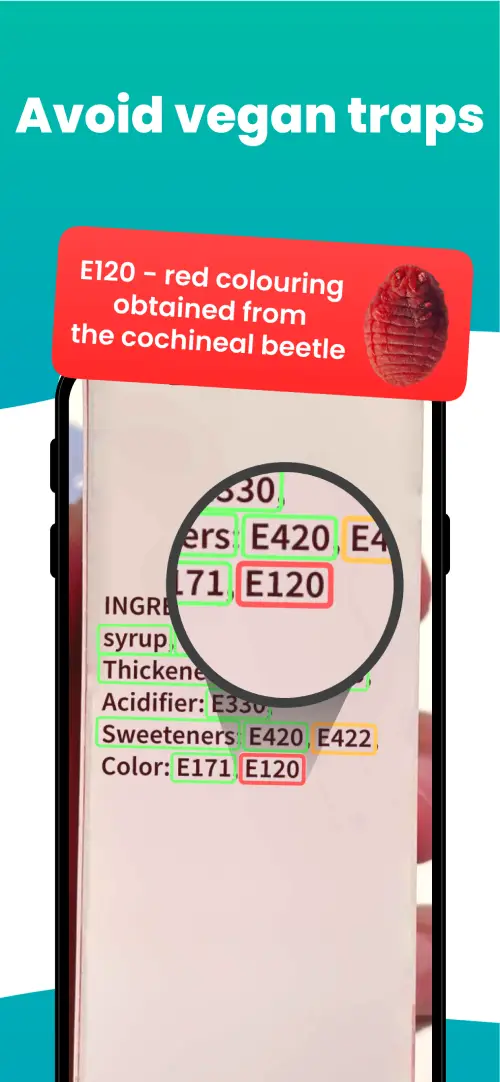
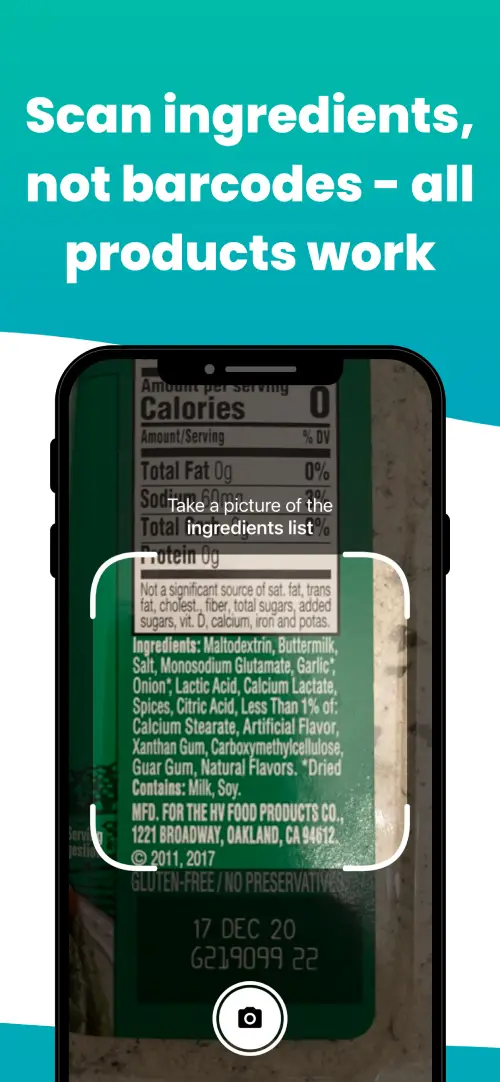
We've built a vegan ingredients scanner that classifies food ingredients as "vegan", "non-vegan", or "potentially vegan".
It allows you to avoid non-vegan ingredients - just take a picture of a product's ingredient list, and the app tells you if the product is vegan or not.



Check out other ingredients:
Is cetyl dimethicone vegan?Is mentha spicata (spearmint) oil vegan?Are gardenia taitensis vegan?Is mentha spicata oil vegan?Is gardenia taitensis flower extract vegan?Is mentha spicata vegan?Is gardenia taitensis extract vegan?Is mentha piperita vegan?Is ci 77742 vegan?Is citrus sinensis (orange) peel oil vegan?Is ci 77891 vegan?Is butyrospermum parkii (shea) butter vegan?
We'll never send you spam.