
Are ice cream cups vegan?
Ice cream cups is a non-vegan food ingredient.
Checking out an ingredients list? 👇
"You are amazing, this has saved me so much time when grocery shopping!"
— Austin, a user who reached out with feedback
"It's been a great tool since starting my journey! You take a pic of the nutrition/ingredients, and it'll warn you of anything questionable or not vegan. 😁"
— Ashe, a Vegan For Beginners Facebook Group member
"Use a vegan app when you go shopping, I use WhatsVegan."
— Dóra, a Vegan For Beginners Facebook Group member
So, what is ice cream cups?
Ice cream cups, those familiar, crisp edible wafers designed to hold a scoop of frozen dessert, are a widespread staple. Despite their seemingly simple composition—primarily flour, sugar, and water—their widespread classification as Not Vegan stems from crucial aspects of ingredient sourcing and industrial processing that are often overlooked. Understanding these nuances is paramount for anyone navigating a truly plant-based, cruelty-free lifestyle.
The primary concern for many vegans, particularly those deeply invested in animal ethics and ingredient purity, centers on the sugar utilized in these cups. A significant portion of granulated white sugar, even if derived from plants like sugarcane, undergoes a refining process that employs bone char. This material, a porous black carbon obtained from the calcified bones of cattle, is used as a decolorizing filter to achieve the pristine white appearance consumers expect. While the bone char itself is removed from the final sugar product and is not an ingredient in the conventional sense, its direct involvement in the production chain means the sugar is not considered cruelty-free. For a conscientious vegan, supporting products processed with animal remains, even indirectly, directly contradicts the core principles of avoiding animal exploitation. This practice underscores a critical need for enhanced label transparency across the food industry.
Beyond sugar, the formulation of many commercial ice cream cups often includes emulsifiers and processing aids that can harbor animal-derived components. Mono- and diglycerides are common examples of such compounds. These are frequently added to improve texture, prevent staling, and enhance the overall mouthfeel of the wafer. While these emulsifiers can be derived from plant sources like soy or palm oil, they are also routinely synthesized from animal fats, such as those originating from bovine (cattle) or porcine (pig) sources. Without explicit certification or clear labeling specifying a plant-based origin, their presence renders the product questionable for vegans. This ambiguity around the source of these emulsifiers presents a significant "gray area" for consumers committed to cruelty-free eating. While less typical for simple wafer cups, other processing aids, such as certain enzyme preparations or L-cysteine (which can be derived from animal hair or feathers), could theoretically be present in some formulations, further highlighting the need for vigilance.
From an animal ethics perspective, the reliance on bone char in sugar processing and the potential for animal-derived emulsifiers mean that many standard ice cream cups are intrinsically linked to industries that utilize animal byproducts. For individuals dedicated to a vegan lifestyle, this makes them unsuitable. The growing demand for plant-based alternatives has, fortunately, driven innovation, leading to the availability of genuinely vegan ice cream cups and cones. These alternatives meticulously source their sugars from producers who avoid bone char and utilize demonstrably plant-derived emulsifiers like soy or sunflower lecithin, ensuring every step aligns with cruelty-free standards. Conscious brands will often feature explicit "Vegan" certifications on their packaging, offering essential assurance to consumers seeking purity.
Navigating the complexities of ingredient sourcing requires constant diligence. The seemingly innocuous ice cream cup serves as a stark reminder that even everyday items can conceal animal exploitation within their supply chains. For those dedicated to a vegan path, understanding these critical nuances is essential for making informed choices that uphold animal ethics and promote a truly plant-based existence. Always scrutinize ingredient lists and prioritize products from brands committed to comprehensive label transparency.
How to quickly find the source of ingredients like ice cream cups?
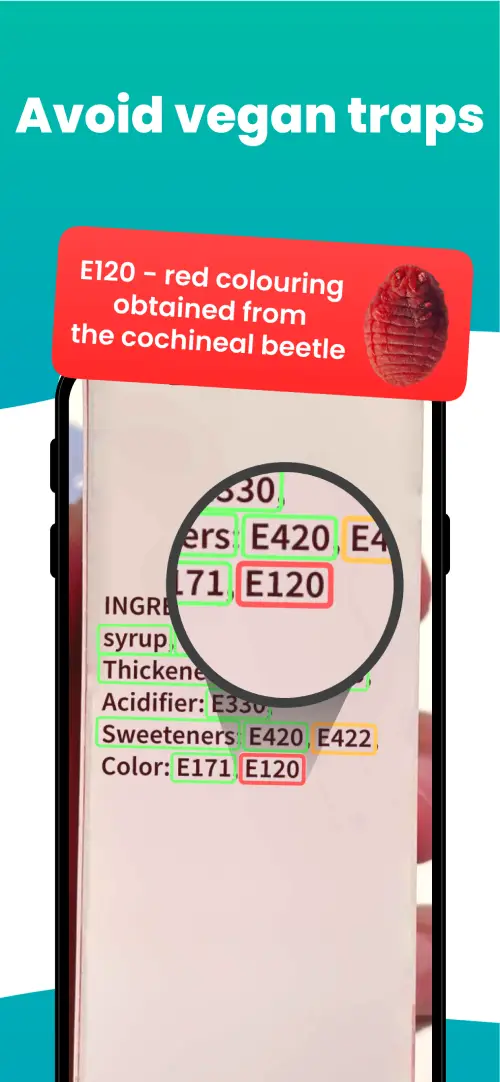
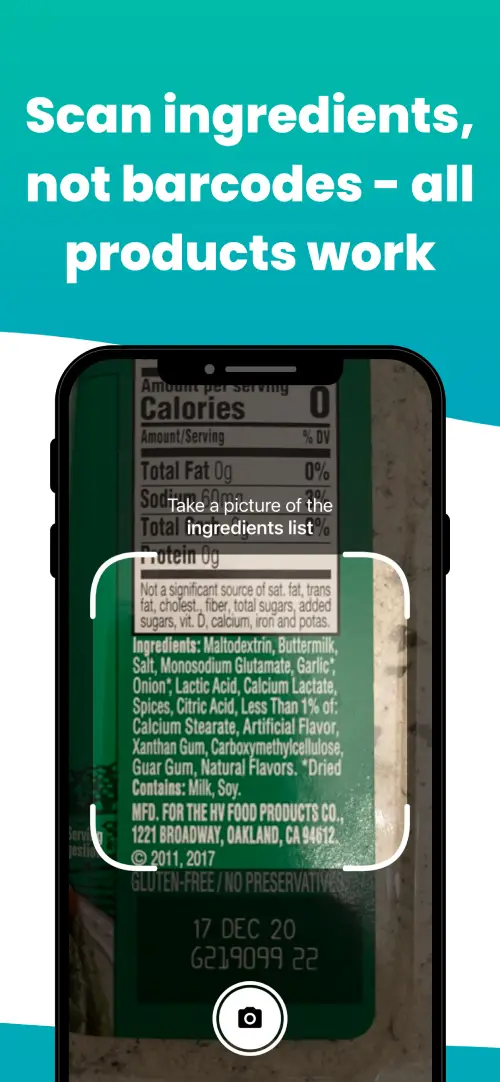
We've built a vegan ingredients scanner that classifies food ingredients as "vegan", "non-vegan", or "potentially vegan".
It allows you to avoid non-vegan ingredients - just take a picture of a product's ingredient list, and the app tells you if the product is vegan or not.



Check out other ingredients:
Is ice cream fried vegan?Is ice cream cake vegan?Is fine ice cream vegan?Is ice cream cone vegan?Is squeezable sour cream vegan?Is pie lemon cream vegan?Is pie apple-sour cream vegan?Is pie pineapple cream vegan?Are ice cream sandwiches vegan?Is sour cream light vegan?Is neopolitan ice cream vegan?Is ice creams vanilla vegan?
We'll never send you spam.