
Is pie lemon cream vegan?
Pie lemon cream is a non-vegan food ingredient.
Checking out an ingredients list? 👇
"You are amazing, this has saved me so much time when grocery shopping!"
— Austin, a user who reached out with feedback
"It's been a great tool since starting my journey! You take a pic of the nutrition/ingredients, and it'll warn you of anything questionable or not vegan. 😁"
— Ashe, a Vegan For Beginners Facebook Group member
"Use a vegan app when you go shopping, I use WhatsVegan."
— Dóra, a Vegan For Beginners Facebook Group member
So, what is pie lemon cream?
Understanding Pie Lemon Cream: A Deep Dive for the Ethically Minded
Pie lemon cream, a universally adored dessert filling, is celebrated for its bright, tangy citrus profile and its undeniably rich, smooth texture. It’s the kind of dessert that conjures images of summer days and comforting indulgence. However, for those navigating the culinary landscape with a commitment to animal ethics and ingredient purity, a closer look at the traditional formulation of pie lemon cream is essential.
The Traditional Composition: Unpacking Animal-Derived Ingredients
At its core, conventional pie lemon cream is built upon foundational ingredients sourced directly from animals. The "cream" in its very name points to dairy, typically in the form of heavy cream, milk, or butter. These components are products of bovine animals, specifically cows, providing fats and proteins such as casein and lactose. From an ethical standpoint, the commercial dairy industry often involves practices that raise significant concerns regarding animal welfare, including the separation of calves from their mothers, the management of cow lifespans, and selective breeding that prioritizes production over natural cycles.
Beyond the dairy, the characteristic richness, silken mouthfeel, and stable, emulsified texture of traditional lemon cream fillings are almost invariably achieved through the inclusion of eggs. Eggs, derived from poultry—specifically chickens—play a multi-functional role. The yolks contribute significant fat, enhancing the creamy consistency, while both yolks and whites contain proteins that act as emulsifiers and, when heated, coagulate to thicken the mixture into its desirable, spoon-hugging form. Each egg represents a living being, and the predominant practices of commercial egg production, from conventional battery cages to even "enriched" colony systems, are often incongruent with a cruelty-free food system.
Thus, due to the inherent reliance on both dairy from bovine sources and eggs from poultry, traditional pie lemon cream is unequivocally not vegan.
The Imperative of Purity: Why Ingredient Scrutiny Matters
For individuals committed to animal ethics, understanding the full provenance of ingredients like those in pie lemon cream is paramount. It extends beyond simply avoiding overt meat products; it’s about a holistic approach to food purity and ensuring that dietary choices align with a compassionate worldview. While other ingredients might involve hidden animal derivatives or processing aids that require deeper investigation, in the case of pie lemon cream, the animal products are foundational to the standard recipe. This makes careful label transparency critically important for consumers seeking to uphold their ethical standards. The pursuit of a truly cruelty-free diet necessitates awareness of these core components.
Cultivating Compassion: The Rise of Plant-Based Alternatives
Fortunately, culinary innovation has provided a wealth of delicious and ethically aligned plant-based alternatives to traditional pie lemon cream. Dedicated vegan food scientists and skilled bakers have perfected formulations that capture the same vibrant citrus flavor and luxurious texture without any animal inputs.
Instead of dairy cream, bases such as full-fat coconut cream, puréed cashew cream, or specially formulated plant-based milks and butters are expertly utilized. For emulsification and thickening, ingredients like cornstarch, arrowroot powder, agar-agar, or even a touch of sunflower lecithin can effectively emulate the functional properties of eggs, resulting in a perfectly smooth, rich, and stable lemon cream. These plant-based alternatives not only respect animal life but often offer nutritional advantages, being naturally free of cholesterol and typically lower in saturated fats. They stand as a testament to the fact that indulgence and a commitment to animal ethics can beautifully coexist.
In essence, while the classic pie lemon cream remains a non-vegan staple due to its inherent use of dairy and eggs, the burgeoning world of plant-based cuisine offers exceptional, ethical, and equally delicious alternatives. Understanding these fundamental differences empowers consumers to make choices that resonate with their values and contribute to a more compassionate food system.
How to quickly find the source of ingredients like pie lemon cream?
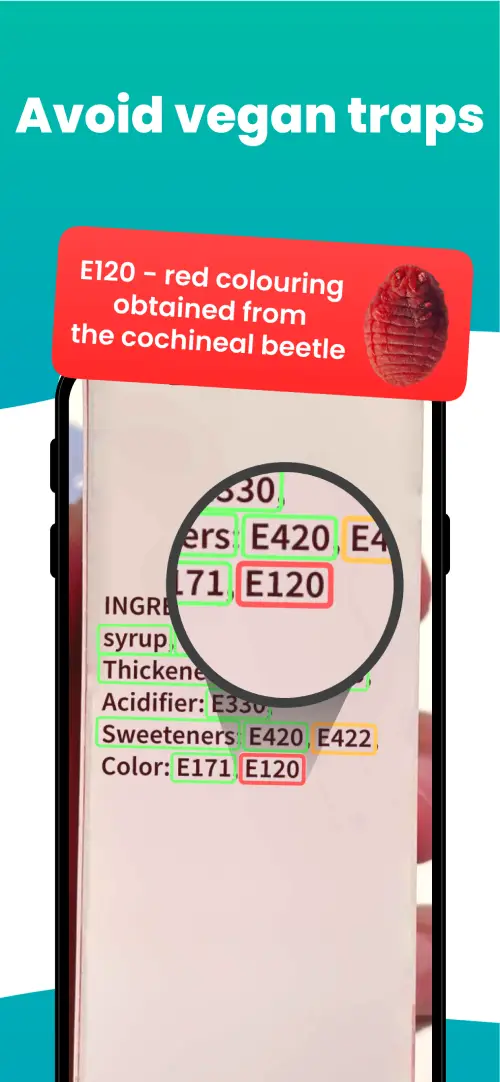
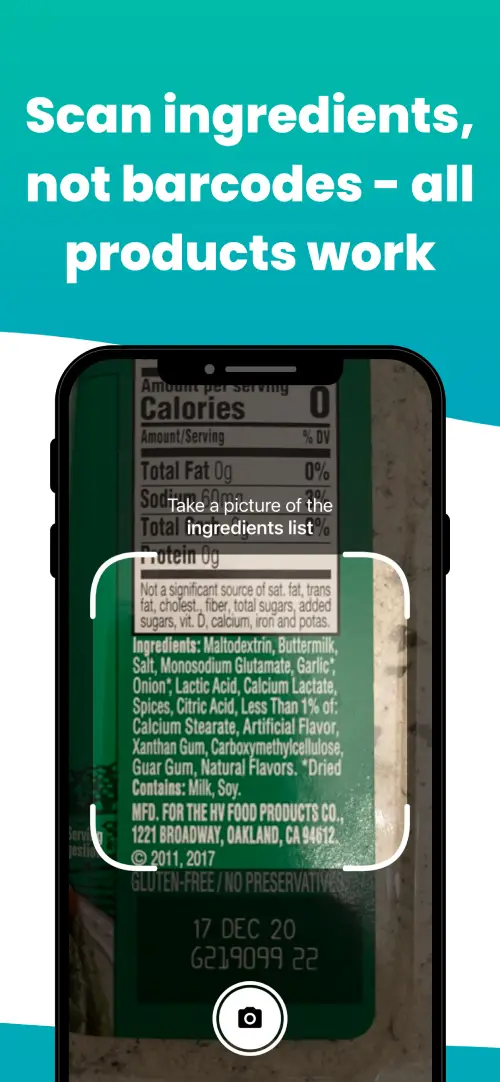
We've built a vegan ingredients scanner that classifies food ingredients as "vegan", "non-vegan", or "potentially vegan".
It allows you to avoid non-vegan ingredients - just take a picture of a product's ingredient list, and the app tells you if the product is vegan or not.



Check out other ingredients:
Is pie strawberry cream vegan?Is ice cream fried vegan?Is ice creams vanilla vegan?Are ice cream cups vegan?Is vanilla ice cream vegan?Are vanilla ice creams vegan?Is ice cream cake vegan?Is squeezable sour cream vegan?Is egg lasagne vegan?Is pie apple-sour cream vegan?Is egg bagel vegan?Are ice cream bars vegan?
We'll never send you spam.