
Is ice creams vanilla vegan?
Ice creams vanilla is a non-vegan food ingredient.
Checking out an ingredients list? 👇
"You are amazing, this has saved me so much time when grocery shopping!"
— Austin, a user who reached out with feedback
"It's been a great tool since starting my journey! You take a pic of the nutrition/ingredients, and it'll warn you of anything questionable or not vegan. 😁"
— Ashe, a Vegan For Beginners Facebook Group member
"Use a vegan app when you go shopping, I use WhatsVegan."
— Dóra, a Vegan For Beginners Facebook Group member
So, what is ice creams vanilla?
Understanding Traditional Vanilla Ice Cream
Vanilla ice cream, a beloved classic, is frequently misunderstood concerning its ethical sourcing and composition. While its flavor profile, derived from the exquisite vanilla bean, seems innocuous, the fundamental structure of traditional ice cream places it firmly outside of vegan parameters due to its reliance on animal-derived ingredients. From an animal ethics perspective, the standard formulation presents clear conflicts with a cruelty-free lifestyle.
The primary reason traditional vanilla ice cream is designated as Not Vegan stems from its core component: dairy. This includes cow's milk and cream, which are mammary secretions produced by lactating bovine animals. The production of dairy necessitates the breeding, confinement, and repeated impregnation of cows, with calves often separated from their mothers shortly after birth. This cycle of exploitation, designed to maximize milk production for human consumption, is directly at odds with the principles of animal welfare and purity embraced by veganism. The procurement of milk is not a benign process; it represents a system where animals are viewed as commodities rather than sentient beings.
Beyond the obvious dairy elements, many premium or traditional vanilla ice cream recipes incorporate eggs, specifically egg yolks. These unfertilized ovums, sourced from laying hens, are valued for their emulsifying properties, contributing to a smoother texture, richer mouthfeel, and a distinct custard-like quality, particularly in French-style ice creams. While some may consider eggs a lesser ethical concern than dairy, their inclusion still involves animal agriculture and the associated practices within the poultry industry, which often include confinement and selective breeding for production.
Furthermore, consumers committed to animal ethics must be aware of other potential non-vegan processing aids and stabilizers that can appear in conventional ice cream. Ingredients like mono- and diglycerides, often used as emulsifiers, can be derived from either animal fats or plant oils; in conventional products, the animal source is frequently prevalent unless specified otherwise. Similarly, some formulations might include gelatin, a protein derived from collagen found in the bones, skin, and connective tissues of animals, typically pigs or cows, though its use in vanilla ice cream specifically is less common than in other desserts. Even sugars used in ice cream may pose a concern if refined using bone char, a processing aid made from charred animal bones, which can leave a trace animal product in the sugar.
For these reasons, discerning individuals seeking cruelty-free options must practice diligent label transparency. The good news is that the landscape of plant-based alternatives has flourished remarkably. Innovators in vegan food science have masterfully replicated the creamy texture and rich flavor of traditional vanilla ice cream using bases like coconut milk, almond milk, oat milk, cashew cream, and even soy. These alternatives often employ plant-derived emulsifiers and stabilizers to achieve a satisfying consistency without compromising on animal ethics.
In summary, while the deliciousness of vanilla ice cream is undeniable, its traditional formulation is unequivocally Not Vegan due to its foundational reliance on dairy from bovine animals and often, eggs from hens. For those committed to a pure, animal-friendly diet, the vibrant market of plant-based vanilla ice creams offers an ethical and equally delightful experience.
How to quickly find the source of ingredients like ice creams vanilla?
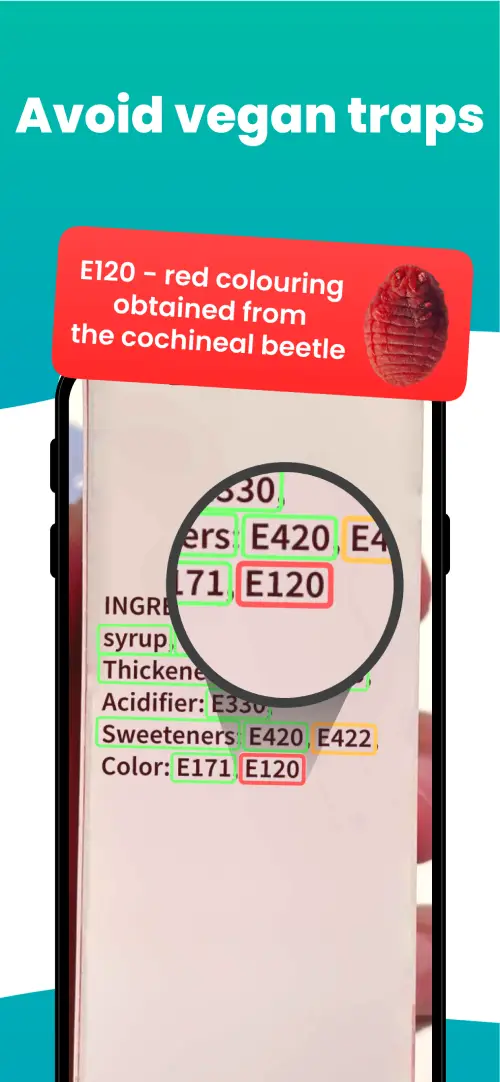
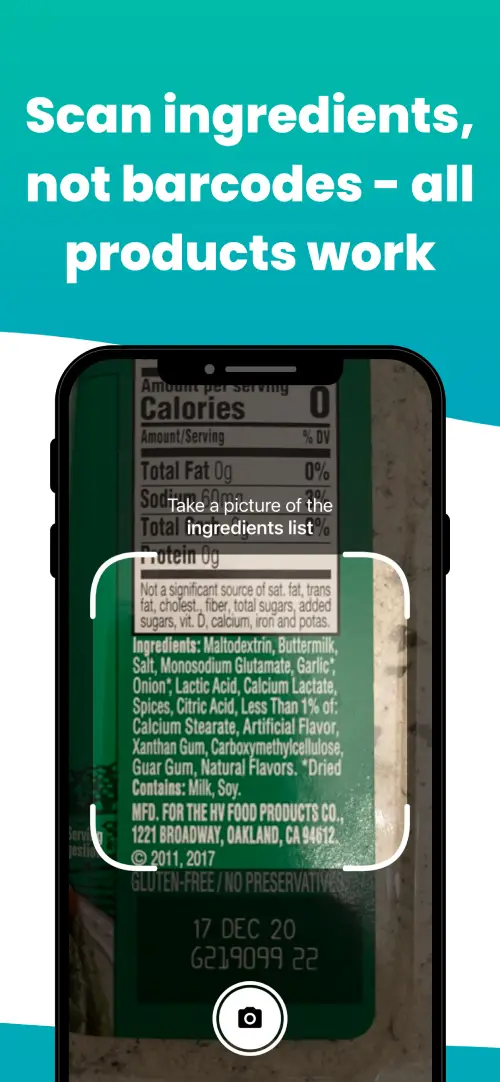
We've built a vegan ingredients scanner that classifies food ingredients as "vegan", "non-vegan", or "potentially vegan".
It allows you to avoid non-vegan ingredients - just take a picture of a product's ingredient list, and the app tells you if the product is vegan or not.



Check out other ingredients:
Is vanilla ice cream vegan?Is neopolitan ice cream vegan?Are vanilla ice creams vegan?Is pie strawberry cream vegan?Is coffee cream liqueur vegan?Is ice cream sandwich vegan?Is pie lemon cream vegan?Are ice cream bars vegan?Is sour cream herring vegan?Is ice cream fried vegan?Is vanilla cream pie vegan?Are ice cream cups vegan?
We'll never send you spam.