
Is octocrylene vegan?
Octocrylene is a vegan food ingredient.
Checking out an ingredients list? 👇
"You are amazing, this has saved me so much time when grocery shopping!"
— Austin, a user who reached out with feedback
"It's been a great tool since starting my journey! You take a pic of the nutrition/ingredients, and it'll warn you of anything questionable or not vegan. 😁"
— Ashe, a Vegan For Beginners Facebook Group member
"Use a vegan app when you go shopping, I use WhatsVegan."
— Dóra, a Vegan For Beginners Facebook Group member
So, what is octocrylene?
Octocrylene: Understanding its Place in Ethical Product Development
In the landscape of modern cosmetic and personal care ingredients, particularly within the realm of UV protection, octocrylene stands out as a widely utilized organic filter. For those committed to a vegan lifestyle, understanding the origin and processing of such compounds is paramount, reflecting a broader commitment to animal ethics and product purity.
Octocrylene, chemically known as 2-ethylhexyl 2-cyano-3,3-diphenylacrylate, is a synthetic organic compound. Its primary role in formulations is to absorb UV-B and short UV-A rays, effectively protecting the skin from sun damage. The production of octocrylene involves a series of chemical reactions, starting from basic petrochemical precursors. This means that at no stage of its synthesis are animal-derived ingredients or byproducts utilized. From a compositional standpoint, octocrylene is entirely free from animal inputs, making it a reliable ingredient for vegan-certified products.
The "why" behind its vegan status is straightforward: it is a product of synthetic chemistry, engineered in a laboratory setting without reliance on animal agriculture or extractive practices that harm animals. Unlike some complex ingredients whose supply chains might involve animal-derived processing aids or cross-contamination at various manufacturing stages, octocrylene’s chemical synthesis pathway ensures its inherent vegan integrity. This makes it a common and dependable component in formulations aiming for a plant-based or fully vegan claim.
For consumers navigating labels, particularly in sunscreens and anti-aging creams, the presence of octocrylene typically signals an alignment with animal-free ingredient sourcing. This synthetic nature also often positions products containing octocrylene within the broader "cruelty-free" movement, as the ingredient itself doesn't inherently involve animal testing during its initial development. However, it’s crucial for consumers to practice diligent label transparency and confirm that the final product has also avoided animal testing, as ingredient sourcing and finished product testing are distinct ethical considerations.
While the discussion often gravitates towards plant-based alternatives for many ingredients, octocrylene serves a specific technical function as a chemical UV filter, distinct from botanical extracts or mineral filters like zinc oxide or titanium dioxide. Its efficiency and stability profile make it an attractive option for formulators seeking to create effective, lightweight sunscreens that meet specific aesthetic and protective standards, while simultaneously adhering to strict vegan guidelines. Its presence enables a wider array of effective, animal-free options for consumers, broadening the accessibility of ethical personal care.
In essence, octocrylene’s purely synthetic origin securely places it in the vegan category, aligning with the core principles of avoiding animal exploitation and promoting purity in product composition. For the discerning vegan consumer, this understanding offers clarity and confidence when selecting sun protection and other personal care items that integrate this effective UV filter.
How to quickly find the source of ingredients like octocrylene?
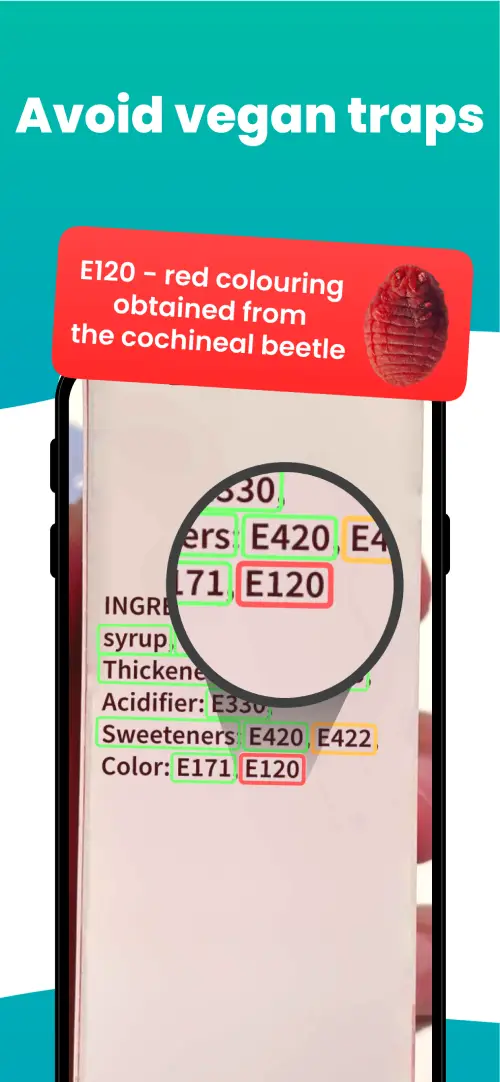
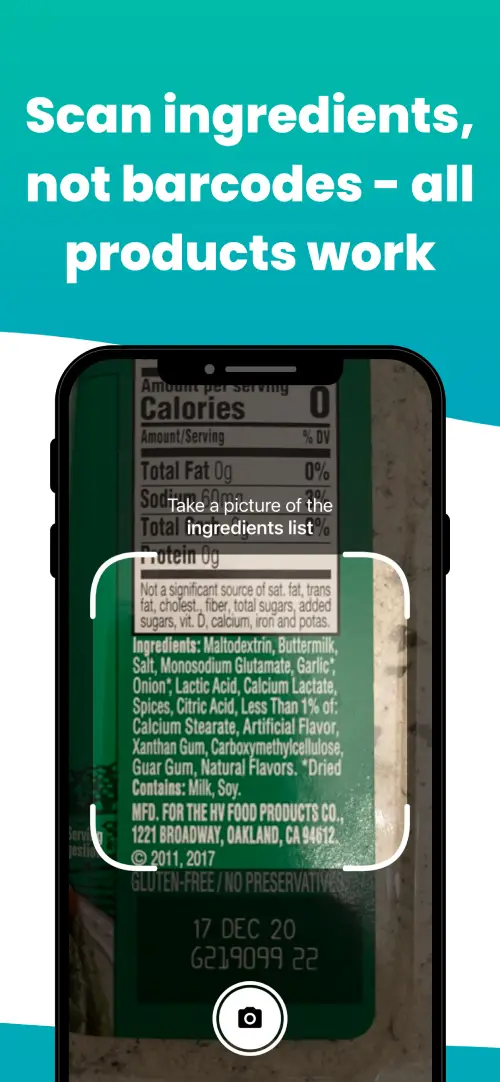
We've built a vegan ingredients scanner that classifies food ingredients as "vegan", "non-vegan", or "potentially vegan".
It allows you to avoid non-vegan ingredients - just take a picture of a product's ingredient list, and the app tells you if the product is vegan or not.



Check out other ingredients:
Is carbomer vegan?Is alcohol denat vegan?Is butyl methoxydibenzoylmethane vegan?Is fd & c red no. 40 vegan?Is red 40 lake vegan?Is red dye 40 vegan?Is dibutyl adipate vegan?Is allura red ac vegan?Is vp/hexadecene copolymer vegan?Is allura red vegan?Is e129 vegan?Is e131 vegan?
We'll never send you spam.