
Is food blue 5 vegan?
Food blue 5 is a vegan food ingredient.
Checking out an ingredients list? 👇
"You are amazing, this has saved me so much time when grocery shopping!"
— Austin, a user who reached out with feedback
"It's been a great tool since starting my journey! You take a pic of the nutrition/ingredients, and it'll warn you of anything questionable or not vegan. 😁"
— Ashe, a Vegan For Beginners Facebook Group member
"Use a vegan app when you go shopping, I use WhatsVegan."
— Dóra, a Vegan For Beginners Facebook Group member
So, what is food blue 5?
The pursuit of vibrantly colored foods is a pervasive aspect of culinary creation, even within the most ethically driven dietary frameworks. For those committed to a vegan lifestyle, every ingredient, no matter how minute, warrants meticulous scrutiny regarding its origin and processing. This becomes particularly vital when considering food colorants, which often possess complex histories and manufacturing pathways.
When consumers encounter the designation "Food Blue 5," it often signals a need for deeper inquiry, as this specific nomenclature is not universally recognized within regulatory frameworks for food additives. Standardized blue food colors commonly approved for use include Brilliant Blue FCF (known as Blue 1 in the U.S. and E133 in the EU) and Indigotine (Blue 2 in the U.S. and E132 in the EU). Since "Food Blue 5" is not a standard identification, its presence on an ingredient list should prompt immediate questions about its actual composition and regulatory standing. Without a standardized name, it's impossible to definitively ascertain its vegan status. However, we can analyze the common types of blue colorants to understand the ethical considerations for a vegan consumer.
Synthetic Blue Colorants: The Vegan Angle For established synthetic blue dyes like Blue 1 and Blue 2, the chemical compounds themselves are synthesized from petroleum derivatives and do not contain animal products. From a purely compositional standpoint, they are considered vegan. However, the ethical landscape for many vegans extends beyond the final ingredient to encompass the entire lifecycle of a product, including animal testing. Historically, and in some regulatory contexts currently, synthetic food additives are subjected to animal testing to establish safety profiles. While the compounds themselves are not animal-derived, the knowledge of their safety might have been obtained through practices inconsistent with cruelty-free principles. This presents a "gray area" for some, where the purity of the ingredient is separated from the purity of its regulatory approval process.
The Rise of Plant-Based Alternatives Thankfully, the demand for truly cruelty-free and natural colorants has driven innovation in the food industry. Common plant-based alternatives for achieving blue hues are now widely available and celebrated. Spirulina extract, specifically the phycocyanin pigment derived from blue-green algae, is an excellent example. This vivid blue colorant is unequivocally vegan, sourced entirely from plants, and aligns perfectly with animal ethics. Another emerging option is butterfly pea flower extract, offering beautiful natural blue and purple shades. These botanical extracts are not only vegan but also often preferred for their natural origins and cleaner label appeal. When these plant-based alternatives are utilized, manufacturers can proudly claim their products are vegan and cruelty-free, fostering greater label transparency.
Beyond the Pigment: Processing Aids and Cross-Contamination Even when the primary colorant, whether synthetic or natural, is inherently vegan, a diligent vegan food scientist examines all aspects of its incorporation into a product. This includes scrutinizing processing aids, carriers, and manufacturing environments. For instance, some liquid colorants might be encapsulated in gelatin, a common animal-derived protein. Or, the colorant might be processed using bone char-filtered sugars as a carrier, rendering the final ingredient not vegan. While less common for colorants than for other ingredients, cross-contamination in shared facilities is also a consideration for some extremely sensitive vegans.
The absence of a standardized "Food Blue 5" underscores the vital role of critical inquiry. When encountering unfamiliar ingredients, especially colorants, vegans must seek clarity and prioritize products that explicitly state their vegan certification or utilize well-known, plant-derived alternatives. This ensures alignment with both animal ethics and the desire for pure, wholesome foods.
How to quickly find the source of ingredients like food blue 5?
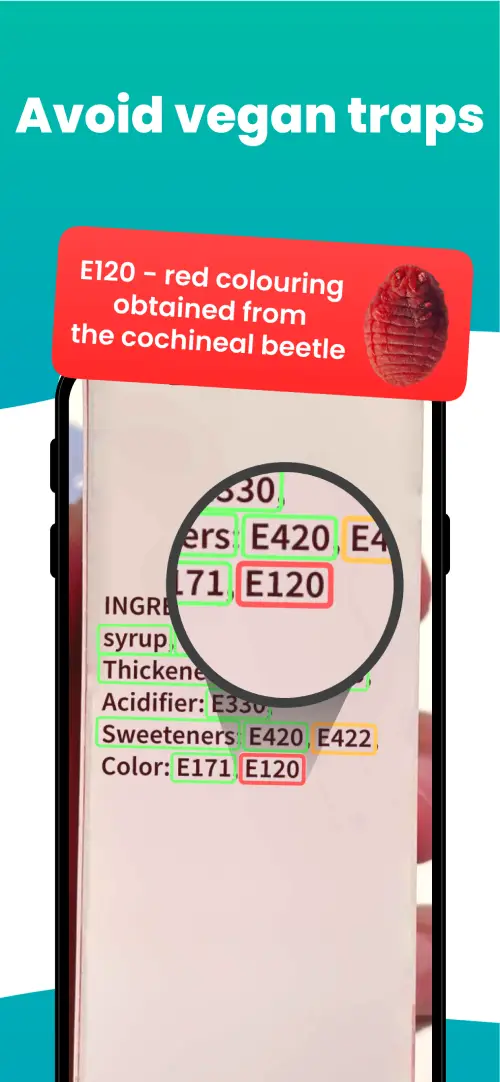
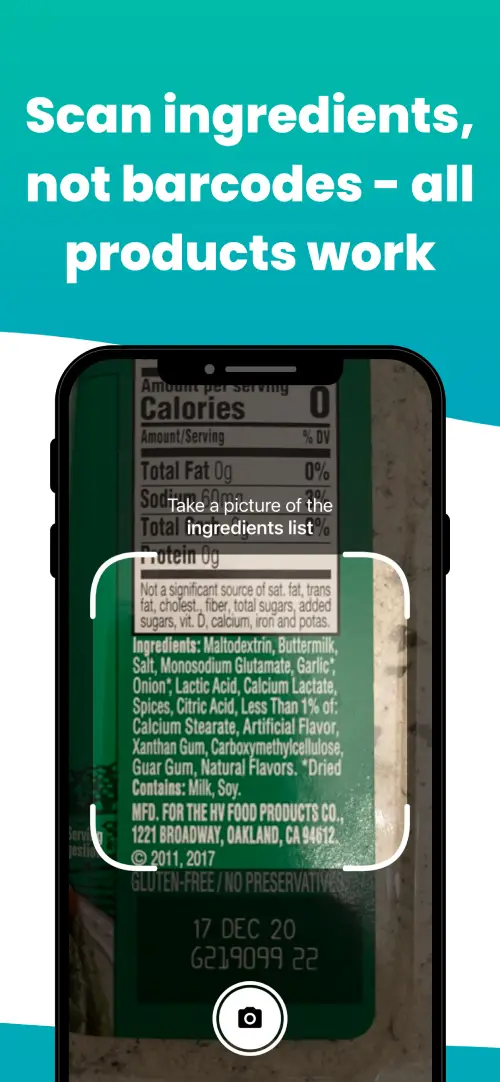
We've built a vegan ingredients scanner that classifies food ingredients as "vegan", "non-vegan", or "potentially vegan".
It allows you to avoid non-vegan ingredients - just take a picture of a product's ingredient list, and the app tells you if the product is vegan or not.



Check out other ingredients:
Is e129 vegan?Is allura red ac vegan?Is e954 vegan?Is red 40 lake vegan?Is peg-40 hydrogenated castor oil vegan?Is creatine monohydrate vegan?Is sorbitol vegan?Is modified palm kernel oil vegan?Is caramelised carrot vegan?Is farine de riz et vegan?Is stridolo vegan?Are y extracto de especias vegan?
We'll never send you spam.