
Is allura red vegan?
Allura red is a vegan food ingredient.
Checking out an ingredients list? 👇
"You are amazing, this has saved me so much time when grocery shopping!"
— Austin, a user who reached out with feedback
"It's been a great tool since starting my journey! You take a pic of the nutrition/ingredients, and it'll warn you of anything questionable or not vegan. 😁"
— Ashe, a Vegan For Beginners Facebook Group member
"Use a vegan app when you go shopping, I use WhatsVegan."
— Dóra, a Vegan For Beginners Facebook Group member
So, what is allura red?
Allura Red (FD&C Red 40, E129): An Examination of Its Vegan Integrity
Allura Red, known commercially as FD&C Red 40 in the United States and E129 in Europe, is a widely used synthetic azo dye providing a vibrant red hue to countless food and beverage products. For those committed to animal ethics and ingredient purity, understanding the origin and manufacturing of such an ubiquitous additive is paramount. Our examination reveals Allura Red to be unequivocally vegan, a status derived from its entirely synthetic production pathway.
The synthesis of Allura Red begins with petroleum-based precursors. This chemical process involves a series of reactions that yield a stable, water-soluble red pigment. Crucially, at no stage in its creation—from raw material sourcing to the final refined powder—are animal-derived substances employed. There are no animal fats, bone char, insect extracts, or any other animal byproducts used as ingredients, solvents, or processing aids. This complete absence of animal involvement is the fundamental reason it aligns with vegan principles.
In the landscape of food colorants, Allura Red often serves as a cruelty-free alternative to naturally derived red pigments that do involve animal exploitation. The most prominent example is cochineal extract, or carmine, which is sourced directly from the dried bodies of female cochineal insects. For product developers seeking an intense, stable red without contributing to animal harm, synthetic dyes like Allura Red become a necessary and ethically sound choice when truly plant-based alternatives—such as beet juice, anthocyanins from berries, or lycopene from tomatoes—cannot achieve the desired shade, stability, or cost-effectiveness. While these plant-derived options are often preferred for their natural origin, their functional limitations sometimes necessitate the use of stable synthetic counterparts like Allura Red in vegan formulations.
From a perspective of ingredient purity and label transparency, the synthetic nature of Allura Red warrants thoughtful consideration. While its vegan status is clear, some individuals adhering to a more "whole food" or "natural" plant-based lifestyle might still prefer to avoid synthetic additives entirely. This is a nuance separate from animal ethics but often intersects with broader dietary philosophies. However, for the primary ethical concern of avoiding animal products, Allura Red consistently meets the criteria. Manufacturers committed to providing truly vegan products can confidently include Allura Red, ensuring their consumers are not unknowingly consuming animal-derived ingredients. The clarity of its synthetic origin allows for unequivocal classification, fostering trust through explicit ingredient disclosure.
In summary, Allura Red stands as a robust example of a synthetic food ingredient that fully respects animal ethics. Its petroleum-derived genesis ensures no animal inputs are utilized at any point. While the broader discussion around synthetic ingredients in our food supply continues, particularly concerning perceived "purity" or potential health impacts, its "vegan" status remains unchallenged. For consumers and producers focused on avoiding animal exploitation, Allura Red offers a reliable and ethical means to achieve vibrant red coloration in a vast array of plant-based foods.
How to quickly find the source of ingredients like allura red?
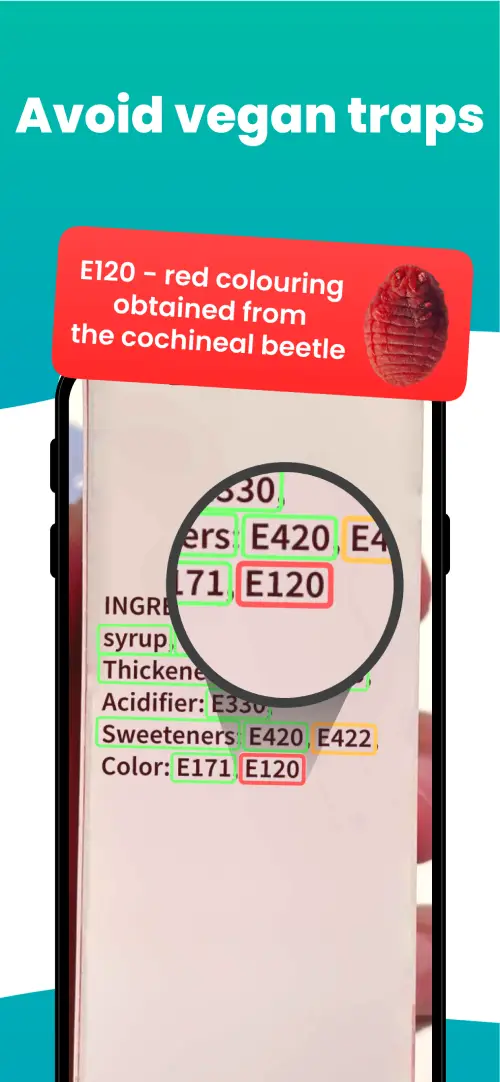
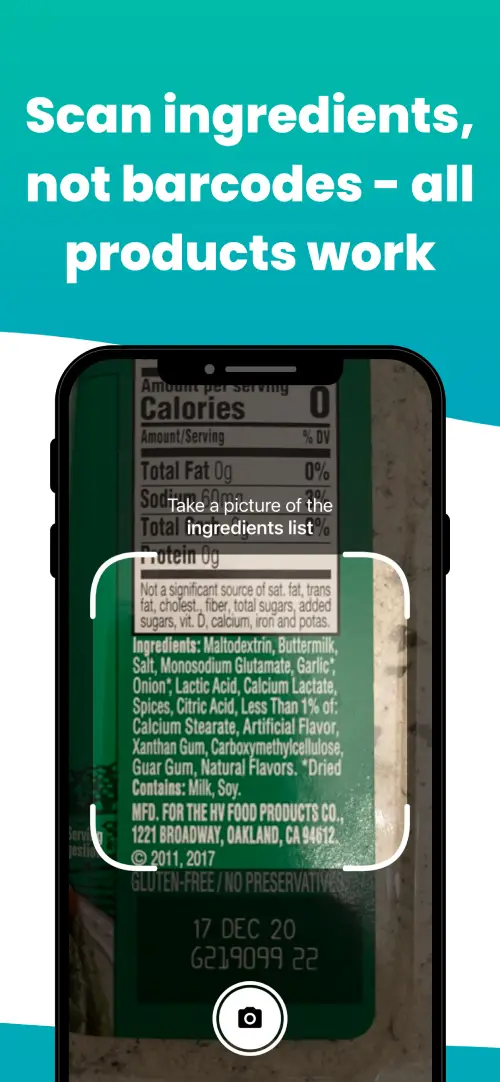
We've built a vegan ingredients scanner that classifies food ingredients as "vegan", "non-vegan", or "potentially vegan".
It allows you to avoid non-vegan ingredients - just take a picture of a product's ingredient list, and the app tells you if the product is vegan or not.



Check out other ingredients:
Is red dye 40 vegan?Is e131 vegan?Is ci 42051 vegan?Is sodium fluoride vegan?Is c.i. food red 17 vegan?Is e954 vegan?Is alcohol denat vegan?Is sodium saccharin vegan?Is octocrylene vegan?Is peg-40 hydrogenated castor oil vegan?Is carbomer vegan?Is creatine monohydrate vegan?
We'll never send you spam.