
Is aloe leaf vegan?
Aloe leaf is a vegan food ingredient.
Checking out an ingredients list? 👇
"You are amazing, this has saved me so much time when grocery shopping!"
— Austin, a user who reached out with feedback
"It's been a great tool since starting my journey! You take a pic of the nutrition/ingredients, and it'll warn you of anything questionable or not vegan. 😁"
— Ashe, a Vegan For Beginners Facebook Group member
"Use a vegan app when you go shopping, I use WhatsVegan."
— Dóra, a Vegan For Beginners Facebook Group member
So, what is aloe leaf?
Unveiling Aloe Leaf: A Core Ingredient in Ethical Formulation
Aloe leaf, predominantly from the Aloe barbadensis miller species, stands as a fundamental pillar within plant-based culinary and wellness applications. Its botanical origin is undisputed: a succulent plant, cultivated globally, thriving in arid climates. From an ethical standpoint, its inherent nature provides a clear, uncompromising answer regarding its suitability for vegan consumption.
The Definitive Vegan Status of Aloe Leaf
At its core, aloe leaf is unequivocally vegan. This classification stems directly from its biological source: a plant. There is no involvement of animal products, byproducts, or exploitation in its cultivation or harvesting. For those committed to animal ethics and purity, aloe leaf represents a clean, straightforward choice, completely aligned with a cruelty-free lifestyle. It requires no complex assessment of animal welfare or hidden animal-derived components, distinguishing itself as a truly pure botanical offering. This makes it a foundational ingredient frequently sought out as a plant-based alternative to ingredients that might otherwise raise ethical questions.
Ensuring Purity: Processing and Transparency
While the raw aloe leaf is inherently vegan, the journey from plant to finished product necessitates a closer look at processing methods. The succulent inner gel, rich in polysaccharides, vitamins, and minerals, is typically extracted from the leaf, often through a filleting and grinding process. For the discerning vegan consumer, ensuring that no animal-derived processing aids or filtration agents are employed becomes crucial. Gelatin, for instance, a common animal-derived fining agent, is occasionally used in various food processing contexts, though rarely directly with aloe. Reputable suppliers committed to ethical sourcing will utilize plant-based alternatives or mechanical filtration methods, ensuring the final product maintains its absolute vegan integrity.
This emphasis on label transparency is paramount. Consumers should look for clear labeling from manufacturers affirming not only the vegan status of the aloe itself but also the absence of any animal-derived substances throughout the entire production chain. This commitment extends to every step, from cultivation practices to final packaging, reinforcing the product’s cruelty-free claim beyond just the raw ingredient.
Versatile Applications in Plant-Based Lifestyles
Aloe's unique properties—its soothing texture, hydrating capabilities, and mild flavor profile—make it a remarkably versatile ingredient. In food science, it's utilized as a thickening agent, a natural humectant, and a nutritional supplement in beverages, yogurts, and desserts. Its ability to create a smooth, viscous texture without relying on animal-derived binders like gelatin or certain dairy proteins firmly establishes it as a valuable plant-based alternative. Beyond food, its application in cosmetics and personal care products further underscores its ethical appeal, offering a natural, plant-derived option for hydration and skin soothing.
The intrinsic purity and robust functionality of aloe leaf firmly establish it as a cornerstone ingredient for ethical consumers and food formulators alike. Its uncompromised vegan status, when paired with diligent processing oversight, ensures it remains a respected and celebrated component within the landscape of conscious consumption.
How to quickly find the source of ingredients like aloe leaf?
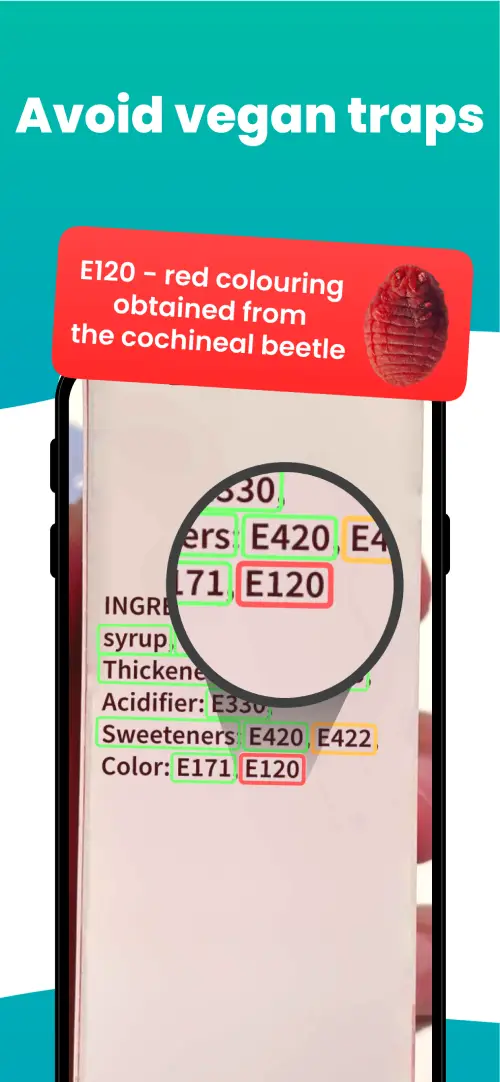
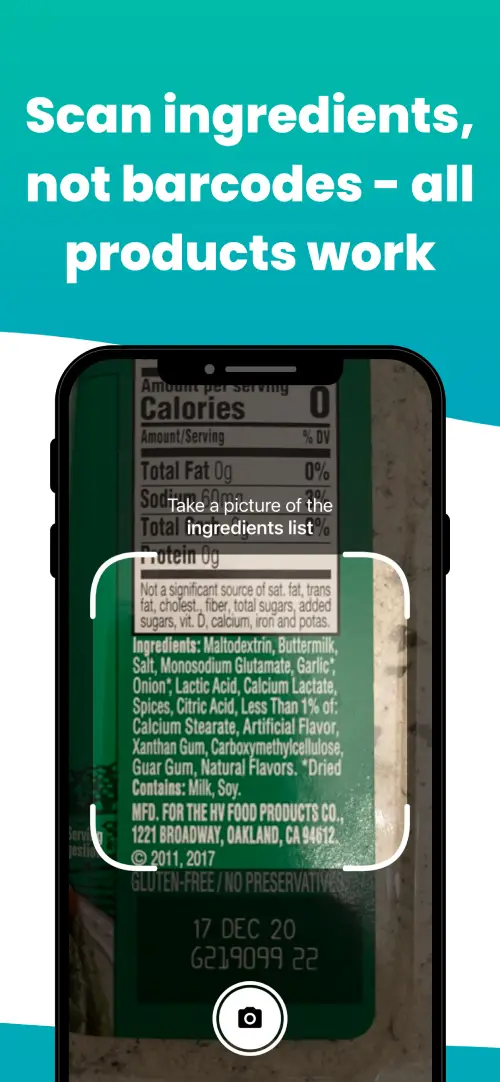
We've built a vegan ingredients scanner that classifies food ingredients as "vegan", "non-vegan", or "potentially vegan".
It allows you to avoid non-vegan ingredients - just take a picture of a product's ingredient list, and the app tells you if the product is vegan or not.



Check out other ingredients:
Is aloe leaf juice vegan?Is cbd vegan?Is sunflower phosphatidylcholine vegan?Is cupric oxide vegan?Is trihydroxystearin vegan?Is rosemary leaf vegan?Is salicylic acid vegan?Is tetrasodium glutamate diacetate vegan?Is nano hyaluronic acid vegan?Is mandelic acid vegan?Is brown sugar refiner's syrup vegan?Is fruit acid vegan?
We'll never send you spam.