
Is nano hyaluronic acid vegan?
Nano hyaluronic acid is a vegan food ingredient.
Checking out an ingredients list? 👇
"You are amazing, this has saved me so much time when grocery shopping!"
— Austin, a user who reached out with feedback
"It's been a great tool since starting my journey! You take a pic of the nutrition/ingredients, and it'll warn you of anything questionable or not vegan. 😁"
— Ashe, a Vegan For Beginners Facebook Group member
"Use a vegan app when you go shopping, I use WhatsVegan."
— Dóra, a Vegan For Beginners Facebook Group member
So, what is nano hyaluronic acid?
Hyaluronic acid (HA) has garnered significant attention across the health and wellness spectrum, prized for its remarkable capacity to retain moisture. When we delve into its nanoscale counterpart, nano hyaluronic acid, we're examining a form engineered for enhanced efficacy due to its extremely low molecular weight. These minuscule fragments, significantly smaller than conventional HA molecules, are designed for superior penetration, whether aiming to hydrate the deeper layers of skin in cosmetics or improve bioavailability in dietary supplements.
From a vegan standpoint, the source of hyaluronic acid is paramount. Historically, hyaluronic acid was extracted from animal tissues, predominantly rooster combs. This method, reliant on animal byproducts, is incompatible with vegan ethics and cruelty-free principles. However, the landscape has evolved dramatically. Modern, ethically produced nano hyaluronic acid is a shining example of a truly vegan ingredient, derived entirely through a sophisticated bio-fermentation process. This involves culturing specific strains of bacteria (often Streptococcus equi or Bacillus subtilis) in a sugar-rich medium, where they naturally synthesize hyaluronic acid. The resulting polysaccharide is then purified and processed to achieve the desired nano-particle size.
This plant-based alternative is not merely a substitute; it represents a conscious choice rooted in animal welfare and a commitment to purity. By harnessing microbial synthesis, we completely bypass any animal involvement, ensuring the product is free from animal-derived components at every stage. This distinction is critical for vegans who prioritize ingredients free from exploitation, suffering, or the use of animal byproducts.
When assessing products containing nano hyaluronic acid, especially within the food or supplement sector, the term "vegan" or "plant-based" on the label signals adherence to these ethical standards. It’s important to look for clear indications of fermentation-derived HA. While the ingredient itself is vegan when sourced this way, discerning consumers also consider the role of processing aids used during manufacturing. Reputable brands committed to label transparency will often specify the origin of their HA, giving consumers confidence in their cruelty-free choice.
The functional benefits of nano hyaluronic acid, combined with its ethical vegan sourcing, make it an invaluable component in a wide array of products. Its ultra-fine molecular structure allows it to deeply hydrate and support tissue integrity, making it a highly sought-after ingredient that perfectly aligns with a compassionate lifestyle. Ensuring that your nano hyaluronic acid comes from bio-fermentation is not just about dietary preference; it's a testament to a broader commitment to animal ethics and a cleaner, more sustainable product chain.
How to quickly find the source of ingredients like nano hyaluronic acid?
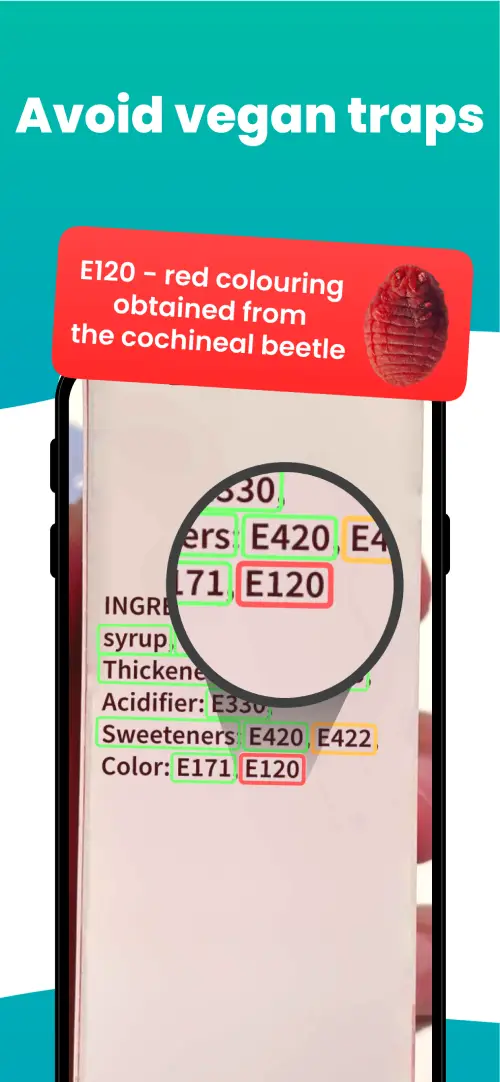
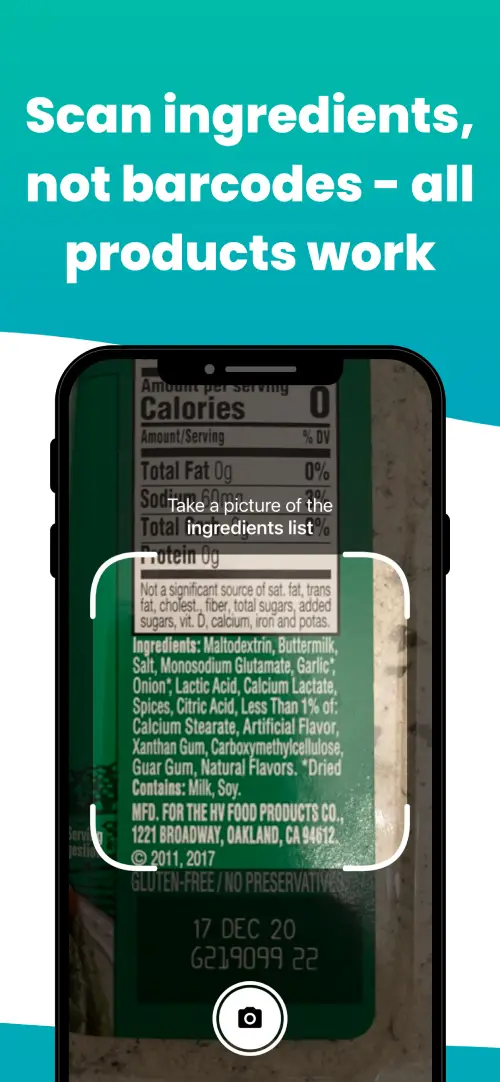
We've built a vegan ingredients scanner that classifies food ingredients as "vegan", "non-vegan", or "potentially vegan".
It allows you to avoid non-vegan ingredients - just take a picture of a product's ingredient list, and the app tells you if the product is vegan or not.



Check out other ingredients:
Is salicylic acid powder vegan?Is fruit acid vegan?Is glycolic acid vegan?Is trihydroxystearin vegan?Is glycolic acid 70% vegan?Is cupric oxide vegan?Is behentrimonium chloride vegan?Is broad spectrum cbd vegan?Is maple flavouring vegan?Is aloe leaf vegan?Is red jalapeño pepper vegan?Is red jalapeño puree vegan?
We'll never send you spam.