
Is fruit acid vegan?
Fruit acid is a vegan food ingredient.
Checking out an ingredients list? 👇
"You are amazing, this has saved me so much time when grocery shopping!"
— Austin, a user who reached out with feedback
"It's been a great tool since starting my journey! You take a pic of the nutrition/ingredients, and it'll warn you of anything questionable or not vegan. 😁"
— Ashe, a Vegan For Beginners Facebook Group member
"Use a vegan app when you go shopping, I use WhatsVegan."
— Dóra, a Vegan For Beginners Facebook Group member
So, what is fruit acid?
Fruit Acid: A Foundational Ingredient in Ethical Formulations
Fruit acid, a broad categorization encompassing organic acids naturally present in various fruits, stands as a cornerstone ingredient in the world of vegan food science and ethical consumerism. From the tart tang of citric acid in lemons to the subtle pucker of malic acid in apples and the crispness of tartaric acid from grapes, these compounds are inherently derived from plant sources. This direct botanical origin is precisely what secures its unwavering vegan status, making it a naturally preferred choice for those committed to a cruelty-free lifestyle.
The "why" behind fruit acid's vegan purity is straightforward: it is cultivated from the earth's bounty, not extracted or produced through animal exploitation. Unlike some additives that may have ambiguous origins or rely on animal-derived processing aids, the fundamental nature of fruit acid is rooted in plant biology. It's not merely a plant-based alternative; it is the original plant-based option for achieving specific flavor profiles, adjusting pH, and extending shelf life in countless food products. This inherent ethical foundation resonates deeply with the animal welfare principles that guide vegan choices, ensuring that every application of fruit acid contributes to a more compassionate food system.
In food science, fruit acids serve multiple critical functions. They are indispensable for natural preservation, inhibiting microbial growth and maintaining food safety without relying on synthetic compounds that might have questionable sourcing or testing histories. Beyond preservation, they are masterful flavor enhancers, providing the desired sour notes, balancing sweetness, and brightening overall taste perception in everything from beverages and confections to savory dishes and plant-based dairy alternatives. The clean, natural acidity they impart is unparalleled, making them invaluable for creating authentic and satisfying vegan formulations.
While fruit acid itself is unequivocally vegan, the conscientious consumer and product developer remain vigilant about label transparency and the lifecycle of ingredients. This extends to the processing aids used in its extraction or purification. Reputable manufacturers ensure that any filtration, crystallization, or drying processes do not involve animal-derived substances like bone char (sometimes used in sugar processing, which is a different ingredient but illustrates the point) or gelatin. Similarly, for acids like lactic acid, which can be synthesized or fermented, discerning the origin is key; plant-based fermentation of sugars ensures its vegan integrity. A commitment to cruelty-free production means scrutinizing the entire supply chain, ensuring that even upstream components align with animal ethics. When sourced correctly, fruit acid is a testament to the fact that superior taste, functionality, and ethical purity can – and should – always go hand in hand.
How to quickly find the source of ingredients like fruit acid?
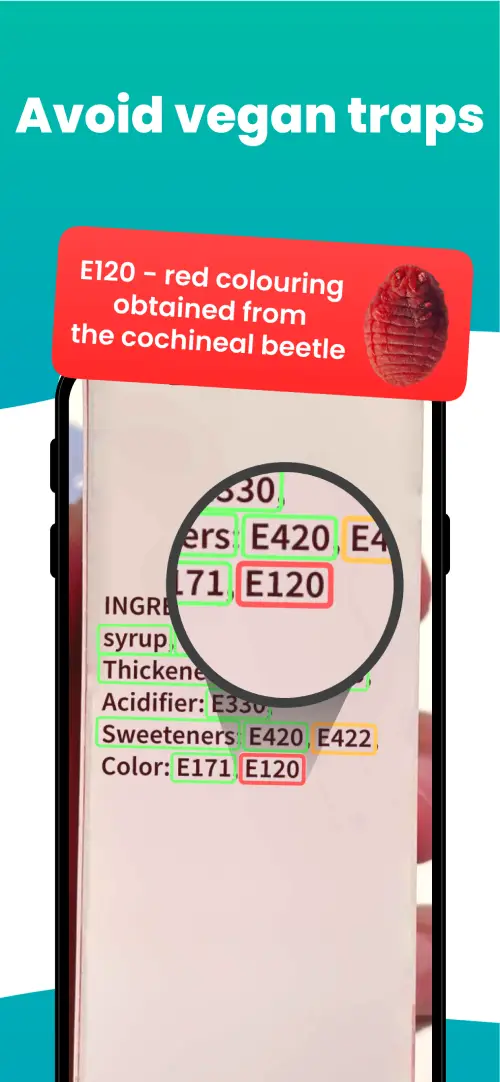
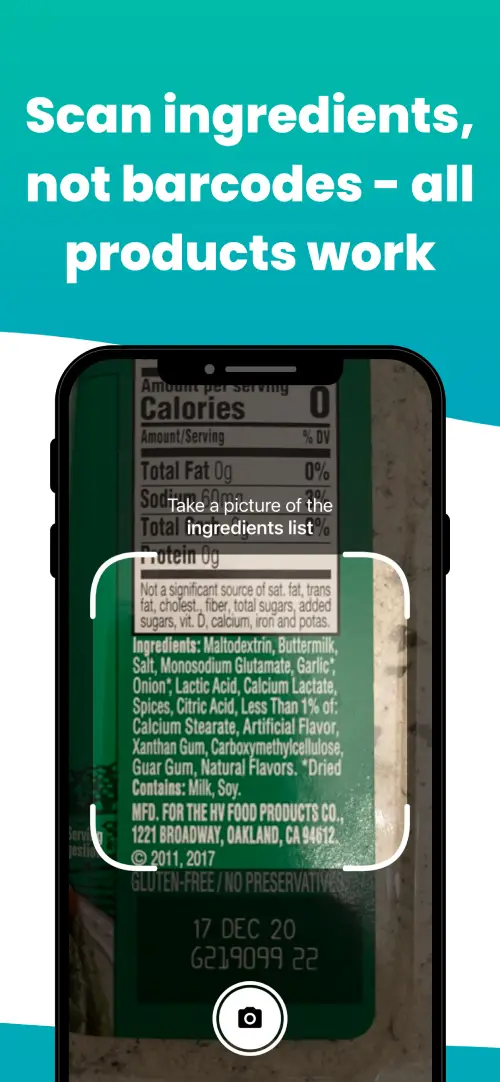
We've built a vegan ingredients scanner that classifies food ingredients as "vegan", "non-vegan", or "potentially vegan".
It allows you to avoid non-vegan ingredients - just take a picture of a product's ingredient list, and the app tells you if the product is vegan or not.



Check out other ingredients:
Is mandelic acid vegan?Is nano hyaluronic acid vegan?Is glycolic acid 70% vegan?Is polyquaternium-6 vegan?Is maple flavouring vegan?Is cupric oxide vegan?Is red jalapeño pepper vegan?Is red jalapeño vegan?Is aloe leaf vegan?Is jalapeño puree vegan?Is rebaudioside m vegan?Is broileripyörykkä vegan?
We'll never send you spam.