
Is alpha-glyceryl phosphoryl choline vegan?
Alpha-glyceryl phosphoryl choline is a vegan food ingredient.
Checking out an ingredients list? 👇
"You are amazing, this has saved me so much time when grocery shopping!"
— Austin, a user who reached out with feedback
"It's been a great tool since starting my journey! You take a pic of the nutrition/ingredients, and it'll warn you of anything questionable or not vegan. 😁"
— Ashe, a Vegan For Beginners Facebook Group member
"Use a vegan app when you go shopping, I use WhatsVegan."
— Dóra, a Vegan For Beginners Facebook Group member
So, what is alpha-glyceryl phosphoryl choline?
Understanding Alpha-Glyceryl Phosphoryl Choline (Alpha-GPC)
Alpha-Glyceryl Phosphoryl Choline, commonly known as Alpha-GPC, is a fascinating phospholipid metabolite recognized for its role in cognitive health. Naturally present in the human body and certain foods, it serves as a precursor to acetylcholine, a crucial neurotransmitter involved in memory, learning, and overall brain function. As conscientious consumers increasingly scrutinize the origins of their supplements and food ingredients, a deep dive into Alpha-GPC's status from a vegan perspective is essential.
The Vegan Integrity of Alpha-GPC
From an ethical and purity standpoint, Alpha-GPC can be confidently classified as vegan. Its commercial production primarily relies on the enzymatic hydrolysis of lecithin, a phospholipid complex. Crucially, for a truly vegan ingredient, this lecithin must be sourced exclusively from plant-based materials. The most common and widely accepted sources are soy lecithin or sunflower lecithin. These plant-derived lecithins are inherently free from any animal products or byproducts, ensuring their alignment with vegan principles.
The "why" behind its vegan status rests firmly in this sourcing. Unlike some choline sources that may be animal-derived (such as from eggs or organ meats), the Alpha-GPC used in supplements is synthesized from raw materials that do not involve animal exploitation. This makes it a preferred and readily available compound for individuals adhering to a plant-based lifestyle, seeking to support cognitive function without ethical compromise. It stands as a prime example of how scientific innovation can yield valuable compounds through cruelty-free methods.
Purity, Processing, and Transparency
While the plant-based origin of the lecithin is foundational, ensuring the complete vegan integrity of Alpha-GPC requires vigilance regarding the entire manufacturing process. This extends to the use of processing aids and enzymes. Reputable manufacturers of vegan Alpha-GPC employ microbial enzymes or other synthetic enzymes for the hydrolysis step, meticulously avoiding any animal-derived enzymes (like porcine or bovine pancreatin) that might inadvertently introduce non-vegan elements. Similarly, filtration aids and other components utilized throughout production must also be confirmed as plant-based or synthetic.
For consumers, this underscores the importance of label transparency. Manufacturers committed to animal ethics will often explicitly state the plant origin of their Alpha-GPC (e.g., "derived from sunflower lecithin") and may carry third-party vegan certifications. This level of detail offers reassurance that the product is not only derived from plant-based alternatives but also processed without any hidden animal inputs, aligning with a truly cruelty-free ethos.
Alpha-GPC typically presents as a white, sometimes slightly hygroscopic powder, devoid of any discernible animal characteristics in its texture or appearance. Its stable, plant-based origin provides a clear pathway for its inclusion in a wide array of vegan products, from nootropic stacks to general health supplements, offering a pure and ethically sound option for those prioritizing animal welfare and dietary purity.
How to quickly find the source of ingredients like alpha-glyceryl phosphoryl choline?
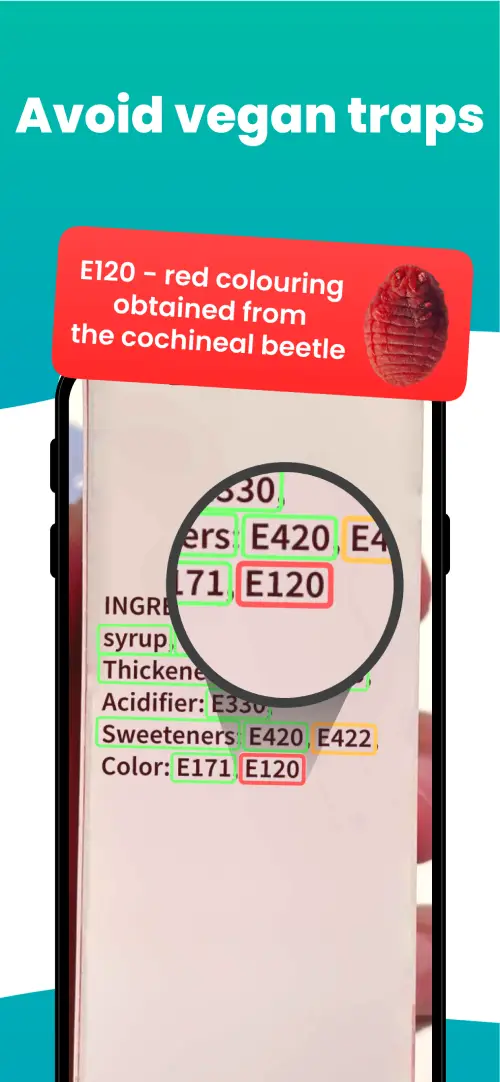
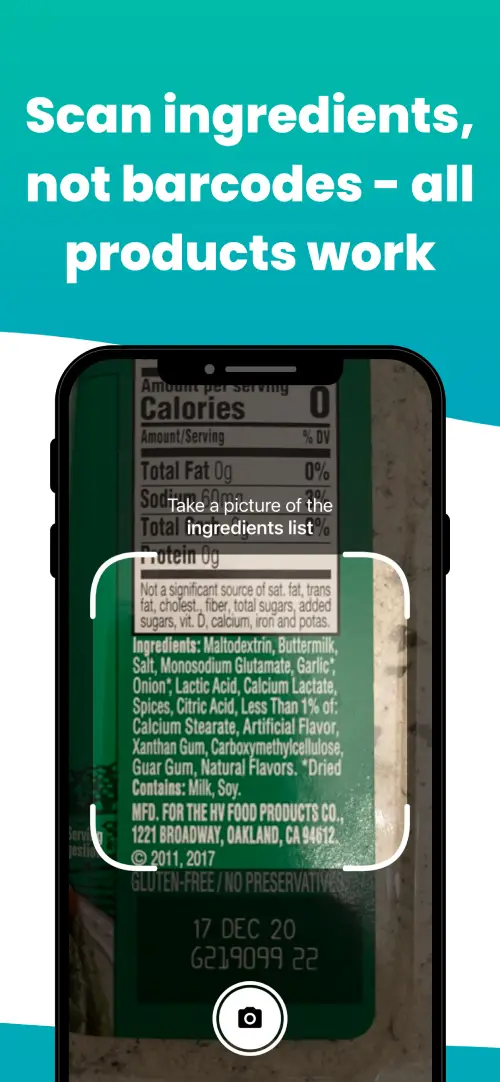
We've built a vegan ingredients scanner that classifies food ingredients as "vegan", "non-vegan", or "potentially vegan".
It allows you to avoid non-vegan ingredients - just take a picture of a product's ingredient list, and the app tells you if the product is vegan or not.



Check out other ingredients:
Is astragalus membranaceus vegan?Is panax notoginseng vegan?Is 50:1 panax notoginseng vegan?Is tetrasodium glutamate diacetate vegan?Is rosemary leaf vegan?Is pyridoxal-5-phosphate vegan?Is pyridoxal 5'-phosphate vegan?Is litsea cubeba vegan?Is oil of peppermint vegan?Is l-lysine hydrochloride vegan?Is estratto di malto d' orzo vegan?Is spinach vegan?
We'll never send you spam.