
Is panax notoginseng vegan?
Panax notoginseng is a vegan food ingredient.
Checking out an ingredients list? 👇
"You are amazing, this has saved me so much time when grocery shopping!"
— Austin, a user who reached out with feedback
"It's been a great tool since starting my journey! You take a pic of the nutrition/ingredients, and it'll warn you of anything questionable or not vegan. 😁"
— Ashe, a Vegan For Beginners Facebook Group member
"Use a vegan app when you go shopping, I use WhatsVegan."
— Dóra, a Vegan For Beginners Facebook Group member
So, what is panax notoginseng?
Understanding Panax Notoginseng: A Botanical Perspective
Panax notoginseng, frequently known by its traditional names Sanqi or Tianqi, holds a revered position within various wellness traditions, particularly those with roots in Eastern practices. As a botanical member of the Panax genus, making it a close relative to other esteemed ginseng varieties, its fundamental character is intrinsically tied to the plant kingdom. For individuals dedicated to a lifestyle that consciously avoids animal-derived ingredients, this inherent plant origin immediately positions Panax notoginseng as a naturally vegan component, aligning perfectly with core principles of animal ethics and purity.
The Unwavering Vegan Purity of the Root
The clear rationale behind Panax notoginseng's definitive vegan status is its direct cultivation from the earth. It is a product of natural growth processes – photosynthesis, nutrient absorption from the soil – entirely independent of animal inputs or exploitation. The valuable part of the plant, its dense, tuberous root, can be recognized by its robust, irregular shape and an aroma that combines subtle earthiness with a distinct, slightly bitter yet sweet undertone. While many ingredients serve as plant-based alternatives to animal products, Panax notoginseng is distinct in that it is not an "alternative" but rather a pure, unmodified plant-based component in its own right, offering its unique bioactives directly from its botanical source. This inherent botanical sourcing fundamentally supports a cruelty-free ethos from its very inception.
Beyond the Raw Root: Navigating Processing and Formulations
While the Panax notoginseng root itself is unequivocally vegan, exercising due diligence is crucial when assessing the final products available on the market. The journey from a raw root, whether dried, powdered, or prepared as an extract, to a consumer-ready item can sometimes introduce non-vegan elements. This typically occurs through the inclusion of processing aids, carriers, or the materials used for encapsulation. For example, some powdered extracts might inadvertently come into contact with animal-derived solvents during extraction or drying, or be formulated with animal-based binders. A common concern for vegans is encapsulation; many dietary supplements are housed in gelatin capsules, which are indisputably derived from bovine or porcine collagen.
This is precisely where the imperative of robust label transparency becomes paramount. As a vegan food scientist, my consistent recommendation is to meticulously scrutinize ingredient lists and actively seek out certifications that explicitly verify a product's vegan credentials. Brands that genuinely commit to cruelty-free practices will unequivocally state if their Panax notoginseng preparations are presented in plant-based capsules, such as those made from cellulose or pullulan, and confirm that their entire manufacturing process—from extraction to final packaging—is free from any animal-derived components or cross-contamination. Without this level of transparent disclosure, an intrinsically vegan ingredient could, regrettably, lose its vegan integrity due to manufacturing oversights.
Upholding Ethical Sourcing and Uncompromised Purity
For the conscientious vegan consumer, embracing Panax notoginseng extends beyond merely its botanical origin; it encompasses the holistic integrity of its journey. A true adherence to animal ethics also considers the broader environmental and social impacts. This means inquiring into whether cultivation practices are sustainable, minimizing harm to natural habitats, and ensuring equitable labor conditions. While the direct connection to animal byproducts is absent, a rigorous and thoughtful approach to sourcing reinforces the wider cruelty-free philosophy that defines veganism.
In summary, Panax notoginseng, in its natural form, offers a pure, plant-based profile, rendering it an excellent and suitable choice for those adhering to a vegan lifestyle. Nevertheless, vigilant examination of processing aids, carriers, and the final product formulation remains essential to guarantee its uncompromised integrity. By prioritizing unequivocal label transparency and opting for brands that demonstrate a clear, verifiable commitment to vegan and cruelty-free standards, consumers can confidently integrate this historically significant botanical into their health and wellness routines.
How to quickly find the source of ingredients like panax notoginseng?
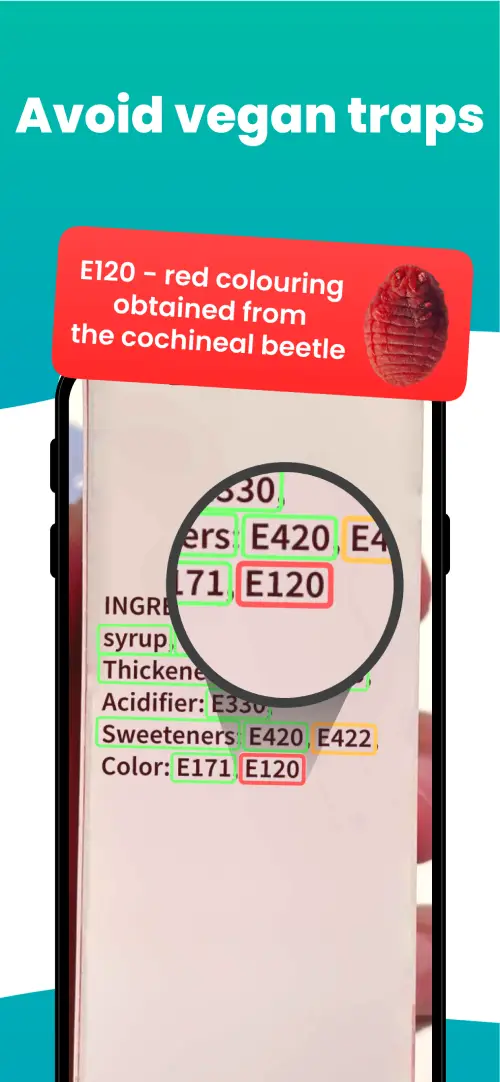
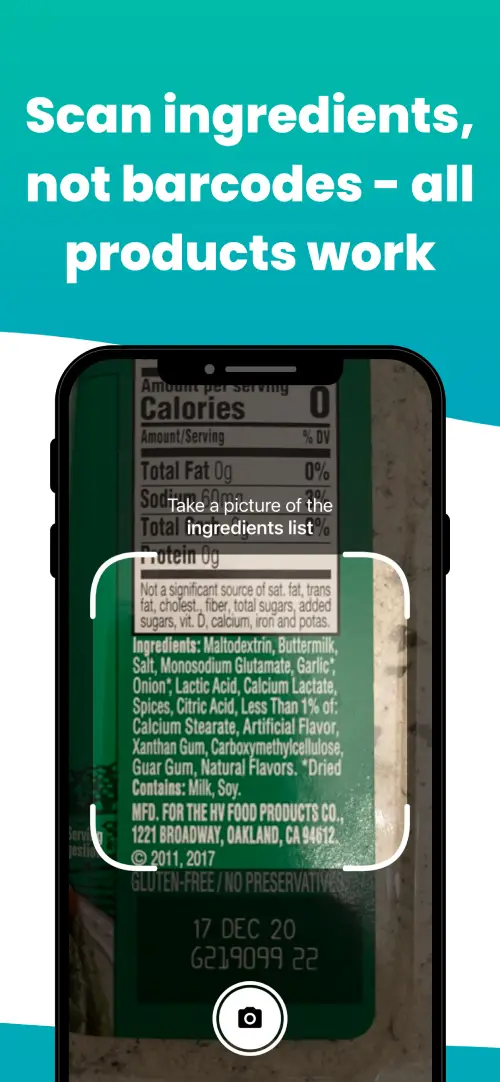
We've built a vegan ingredients scanner that classifies food ingredients as "vegan", "non-vegan", or "potentially vegan".
It allows you to avoid non-vegan ingredients - just take a picture of a product's ingredient list, and the app tells you if the product is vegan or not.



Check out other ingredients:
Is 50:1 panax notoginseng vegan?Is root extract vegan?Is pyridoxal-5-phosphate vegan?Is alpha-gpc vegan?Is pyridoxal 5'-phosphate vegan?Is natural coconut flavor vegan?Is alpha-glyceryl phosphoryl choline vegan?Are camellia sinensis vegan?Is 100% whole grain rolled oat vegan?Is camellia sinensis oil vegan?Is cultured wheat starch vegan?Is camellia sinensis seed oil vegan?
We'll never send you spam.