
Is litsea cubeba vegan?
Litsea cubeba is a vegan food ingredient.
Checking out an ingredients list? 👇
"You are amazing, this has saved me so much time when grocery shopping!"
— Austin, a user who reached out with feedback
"It's been a great tool since starting my journey! You take a pic of the nutrition/ingredients, and it'll warn you of anything questionable or not vegan. 😁"
— Ashe, a Vegan For Beginners Facebook Group member
"Use a vegan app when you go shopping, I use WhatsVegan."
— Dóra, a Vegan For Beginners Facebook Group member
So, what is litsea cubeba?
Exploring Litsea Cubeba: A Versatile Botanical
Litsea cubeba, often recognized by its delightful common name, May Chang, is a vibrant, small tree native to East Asia. From its pepper-like fruits, a highly prized essential oil is derived, celebrated for its refreshing and uplifting aroma. This oil, extracted through a straightforward process of steam distillation, captures the essence of the plant: a bright, lemony-citrus profile with subtle green and slightly spicy undertones. Its characteristic scent and flavor make it a valuable ingredient across various sectors, from food and beverage to personal care and home products.
The Purely Plant-Based Nature of May Chang Oil
For those committed to animal ethics and pure plant-based living, Litsea cubeba stands as an unequivocally vegan ingredient. Its origin is solely botanical; the essential oil is directly obtained from the fruit of the Litsea cubeba tree. There are no animal inputs, byproducts, or exploitation involved in the growth, harvesting, or standard steam distillation process. This method of extraction is physical, relying on heat and condensation to separate the volatile aromatic compounds from the plant material, inherently sidestepping any need for animal-derived processing aids or chemical solvents with questionable origins.
Its inherent cruelty-free nature ensures that the production of Litsea cubeba essential oil aligns perfectly with vegan principles. Unlike certain food colorings or thickeners that might have hidden animal sources, Litsea cubeba offers transparent, plant-based purity from soil to bottle. It's not a "plant-based alternative" in the sense of replacing a non-vegan ingredient, but rather a naturally occurring, deeply valued botanical that enriches the palette of options available to the vegan consumer and formulator.
Applications in Ethical Food & Product Formulations
The bright, uplifting profile of Litsea cubeba essential oil makes it an excellent addition to a wide array of vegan products. In food applications, it can impart a nuanced, less acidic citrus note than lemon, enhancing vegan desserts, beverages, and even savory preparations without the need for animal-derived flavor enhancers. Beyond the culinary world, its fresh aroma makes it a staple in cruelty-free cleaning products, natural deodorants, soaps, and cosmetic formulations. Its versatility supports the innovation of genuinely plant-based product lines that resonate with ethical consumers.
Ensuring Integrity: Sourcing and Transparency in Vegan Supply Chains
While Litsea cubeba itself is inherently vegan, the conscientious vegan consumer and food scientist must always consider the broader supply chain. This means scrutinizing potential processing aids used in finished products, even if the primary ingredient is pure. For Litsea cubeba essential oil, this might involve ensuring that any carriers, diluents, or stabilizing agents (if it's not sold as a pure essential oil) are also confirmed vegan. For instance, vegetable glycerin is a common carrier, but it’s crucial to confirm its plant origin, as animal-derived glycerin does exist.
Furthermore, a commitment to label transparency from manufacturers is paramount. Brands that clearly label ingredients and provide assurances regarding sourcing and production methods empower consumers to make informed choices that align with their ethical stance. Sustainable harvesting practices for Litsea cubeba also contribute to its overall ethical profile, ensuring that its availability does not come at the expense of ecological balance. Embracing such comprehensive scrutiny reinforces the values of animal welfare and environmental stewardship inherent to the vegan lifestyle.
How to quickly find the source of ingredients like litsea cubeba?
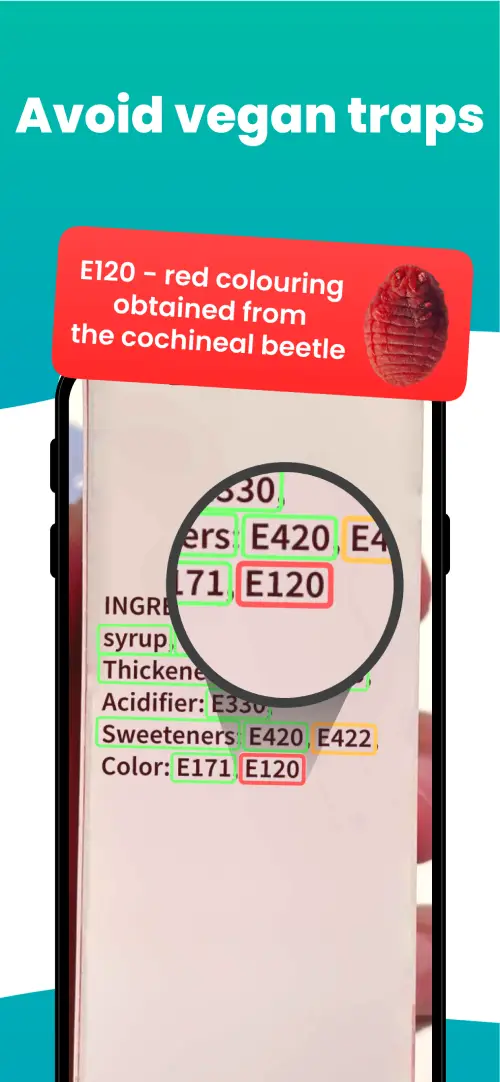
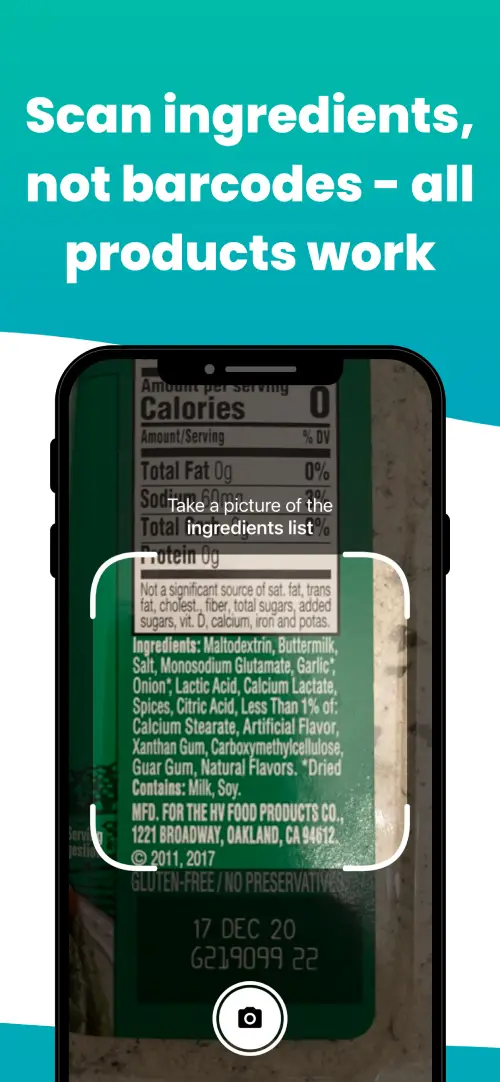
We've built a vegan ingredients scanner that classifies food ingredients as "vegan", "non-vegan", or "potentially vegan".
It allows you to avoid non-vegan ingredients - just take a picture of a product's ingredient list, and the app tells you if the product is vegan or not.



Check out other ingredients:
Is sweet orange peel vegan?Is rosemary leaf vegan?Is sunflower phosphatidylcholine vegan?Is white willow bark vegan?Is cultured wheat starch vegan?Is aloe leaf juice vegan?Is cbd vegan?Is cupric oxide vegan?Is alpha-glyceryl phosphoryl choline vegan?Is trihydroxystearin vegan?Is coffea arabica vegan?Is млечна киселина vegan?
We'll never send you spam.