
Is astragalus membranaceus vegan?
Astragalus membranaceus is a vegan food ingredient.
Checking out an ingredients list? 👇
"You are amazing, this has saved me so much time when grocery shopping!"
— Austin, a user who reached out with feedback
"It's been a great tool since starting my journey! You take a pic of the nutrition/ingredients, and it'll warn you of anything questionable or not vegan. 😁"
— Ashe, a Vegan For Beginners Facebook Group member
"Use a vegan app when you go shopping, I use WhatsVegan."
— Dóra, a Vegan For Beginners Facebook Group member
So, what is astragalus membranaceus?
Astragalus Membranaceus: A Deep Dive into a Botanical Essential
Astragalus membranaceus, commonly known simply as Astragalus or Huang Qi, stands as a cornerstone in traditional botanical practices, particularly within Traditional Chinese Medicine. This resilient perennial herb, belonging to the pea family (Fabaceae), is primarily valued for its fibrous root, which is harvested, dried, and utilized in various forms, from decoctions and teas to powders and concentrated extracts. Its inherent biological composition, rich in polysaccharides, saponins, and flavonoids, makes it a subject of continuous scientific interest and a staple in many wellness formulations.
The Unquestionably Vegan Foundation of Astragalus
From the perspective of animal ethics and purity, Astragalus membranaceus is unequivocally vegan. Its entire therapeutic value and composition derive directly from the plant kingdom – specifically, the underground root structure. There are no animal-derived components, byproducts, or secretions involved in its cultivation, harvesting, or initial processing. This makes it a naturally compliant ingredient for anyone adhering to a plant-based diet or a cruelty-free lifestyle.
Unlike some ingredients where the "vegan" status can be ambiguous due to refining processes, carrier agents, or harvesting methods, Astragalus typically undergoes straightforward processing. The roots are traditionally dried, sliced, or ground into a powder. When concentrated extracts are produced, they commonly utilize water or food-grade alcohol as solvents, both of which are entirely plant-compatible and free from animal involvement. This direct botanical origin ensures that when you encounter Astragalus membranaceus as a standalone ingredient or in a reputable supplement, its fundamental composition is pure and aligned with vegan principles. It is not a "plant-based alternative" in the sense of replacing an animal product; rather, it is a primary botanical ingredient that seamlessly integrates into ethical consumption.
Ensuring Purity and Transparency in Sourcing
While the Astragalus membranaceus root itself is undeniably vegan, a nuanced understanding for the discerning vegan consumer extends to the broader supply chain. The concept of "cruelty-free" for botanicals like Astragalus not only signifies the absence of animal components but also encompasses responsible agricultural practices and ethical processing. For instance, ensuring that no non-vegan "processing aids" or anti-caking agents are introduced during the manufacturing of powders or encapsulated forms is crucial. Reputable manufacturers committed to label transparency will often specify if their products are certified vegan, offering an additional layer of assurance for consumers.
When evaluating products containing Astragalus membranaceus, paying attention to the full ingredient list is always wise, particularly for blends or extracts. While uncommon for a primary botanical, vigilance concerning gelatin capsules (easily replaced by cellulose alternatives) or other non-vegan excipients remains a critical aspect of vegan food science. However, the raw, dried root or a simple water/alcohol extract of Astragalus poses virtually no "gray area" issues. Its journey from soil to supplement is typically a clean, plant-exclusive pathway, aligning perfectly with the ethical demands for pure, unadulterated plant-based ingredients.
Integrating Astragalus membranaceus into a vegan lifestyle is straightforward and aligns perfectly with a commitment to mindful consumption. Its profound botanical origin solidifies its place as an uncompromised choice for those seeking both wellness and adherence to animal ethics.
How to quickly find the source of ingredients like astragalus membranaceus?
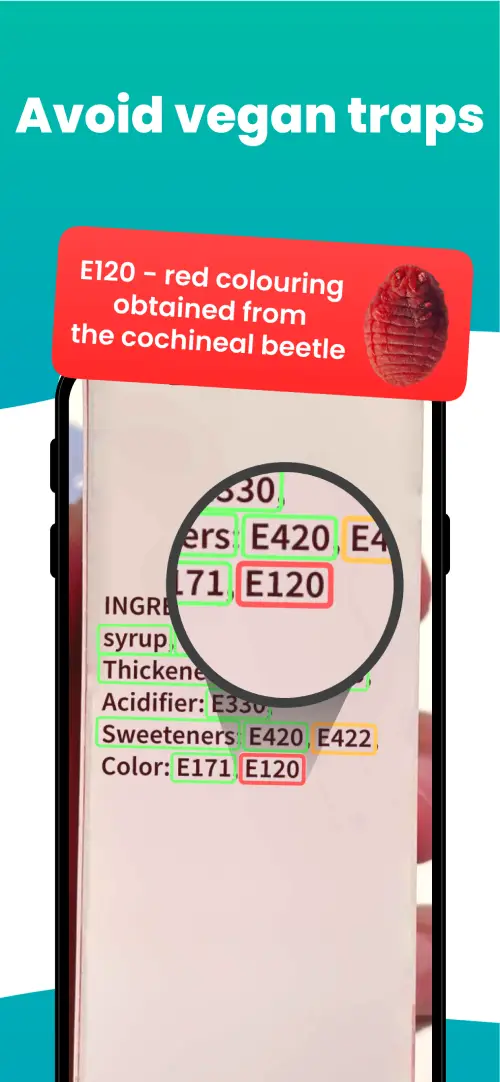
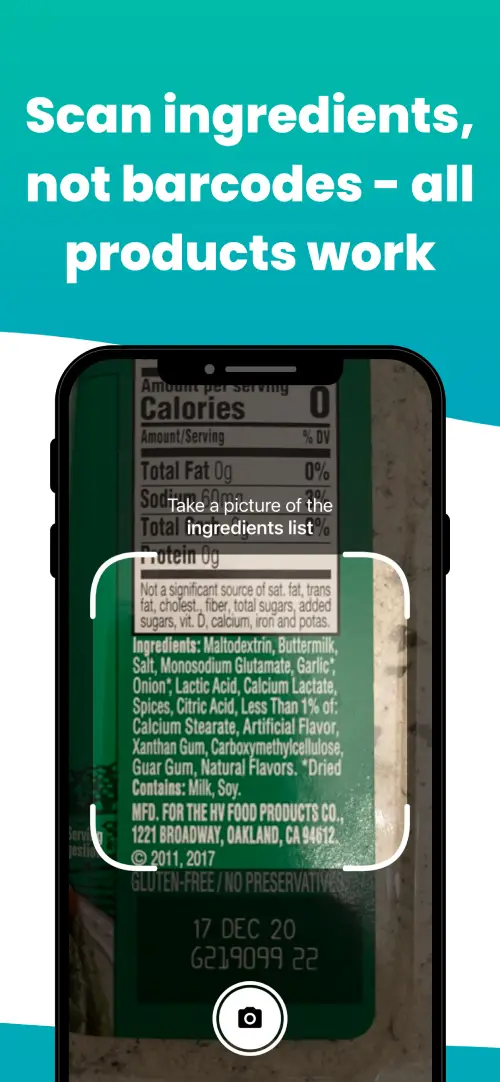
We've built a vegan ingredients scanner that classifies food ingredients as "vegan", "non-vegan", or "potentially vegan".
It allows you to avoid non-vegan ingredients - just take a picture of a product's ingredient list, and the app tells you if the product is vegan or not.



Check out other ingredients:
Is coffea arabica vegan?Is root extract vegan?Is alpha-glyceryl phosphoryl choline 50% vegan?Is pyridoxal-5-phosphate vegan?Is alpha-glyceryl phosphoryl choline vegan?Is pyridoxal 5'-phosphate vegan?Is natural coconut flavor vegan?Is light brown sugar refiner's syrup vegan?Is cultured wheat starch vegan?Is camellia sinensis oil vegan?Is rosemary leaf vegan?Is acétate de zinc vegan?
We'll never send you spam.