
Is isopropyl alcohol vegan?
Isopropyl alcohol is a vegan food ingredient.
Checking out an ingredients list? 👇
"You are amazing, this has saved me so much time when grocery shopping!"
— Austin, a user who reached out with feedback
"It's been a great tool since starting my journey! You take a pic of the nutrition/ingredients, and it'll warn you of anything questionable or not vegan. 😁"
— Ashe, a Vegan For Beginners Facebook Group member
"Use a vegan app when you go shopping, I use WhatsVegan."
— Dóra, a Vegan For Beginners Facebook Group member
So, what is isopropyl alcohol?
Isopropyl alcohol, widely recognized as IPA or rubbing alcohol, is a staple in households and industries alike. Its powerful antiseptic and solvent properties make it indispensable for everything from sanitizing surfaces to cleaning delicate electronics. For individuals dedicated to a vegan lifestyle, the provenance of every ingredient, regardless of its intended use, is a critical consideration. Delving into the origins and production of isopropyl alcohol reveals its clear alignment with animal ethics and purity.
Vegan Status: Vegan
Isopropyl alcohol is definitively vegan. Its production relies entirely on synthetic processes, making it free from any animal-derived components or byproducts. The primary method for manufacturing IPA involves the hydration of propene (propylene), a hydrocarbon typically obtained through the refining of petroleum or the processing of natural gas. This chemical synthesis pathway ensures that no animals, animal parts, or animal secretions are utilized at any stage of its creation.
From an ethical standpoint, the synthetic nature of IPA is a significant advantage. Unlike ingredients that might originate from plants but pass through processing stages involving animal-derived aids, isopropyl alcohol’s molecular construction begins and ends with non-biological inputs. This inherent characteristic means its existence does not contribute to animal agriculture, exploitation, or suffering, establishing it as a truly cruelty-free ingredient from its foundational sourcing. Its purity is maintained by a production process that is entirely independent of animal life.
Applications and Ethical Purity Beyond Production
While isopropyl alcohol itself is ethically sound, its role in various applications offers further insight for the discerning vegan consumer. As a robust solvent, IPA is frequently employed as a cleaning agent within manufacturing environments, including facilities that produce plant-based foods, cosmetics, and other vegan-certified products. It may also function as a processing aid in certain industrial syntheses or extractions, particularly when a volatile, rapidly evaporating solvent is needed to isolate compounds or purify materials.
In such contexts, the ingredient IPA remains vegan, but consumers often consider the broader implications of "label transparency" and manufacturing practices. Manufacturers typically ensure that processing aids like IPA are fully evaporated and do not remain in the final product. However, the potential for shared equipment in facilities handling both vegan and non-vegan items is a separate concern that some individuals prioritize when assessing overall product purity. It’s crucial to distinguish this operational concern from the ingredient itself; IPA's vegan status remains uncompromised by its use as a processing aid.
Unlike some compounds where seeking "plant-based alternatives" is essential due to animal derivation, isopropyl alcohol’s synthetic origin inherently meets vegan criteria. It does not necessitate a plant-derived substitute on ethical grounds, although other vegan alcohols like plant-derived ethanol (often fermented from corn or sugar cane) exist and serve similar purposes.
In essence, isopropyl alcohol presents a transparently vegan profile. Its chemical synthesis guarantees the absence of animal inputs, making it a reliable choice for ethical consumers who prioritize cruelty-free sourcing. This understanding of IPA underscores that not all indispensable compounds need to originate from living organisms; in many cases, chemical synthesis offers a clear and ethically sound pathway to animal-free production.
How to quickly find the source of ingredients like isopropyl alcohol?
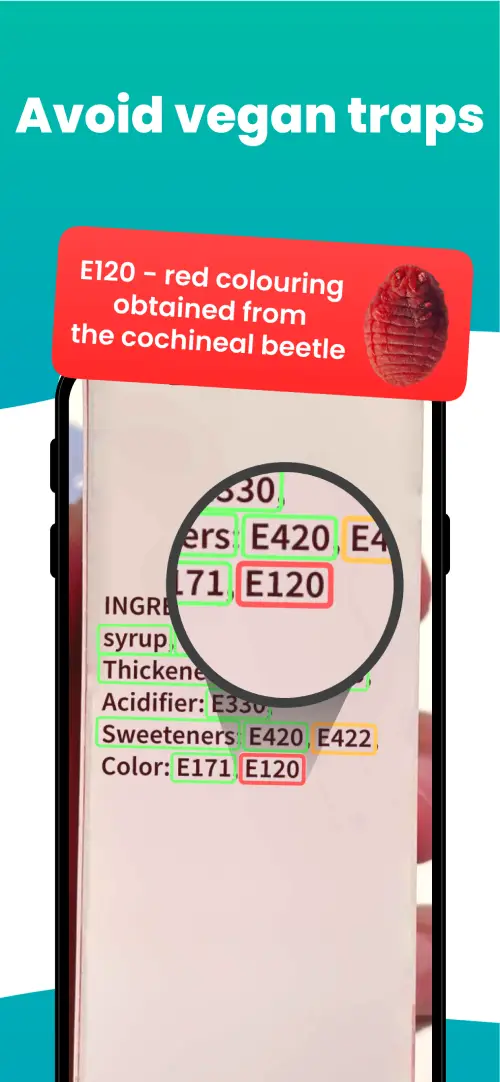
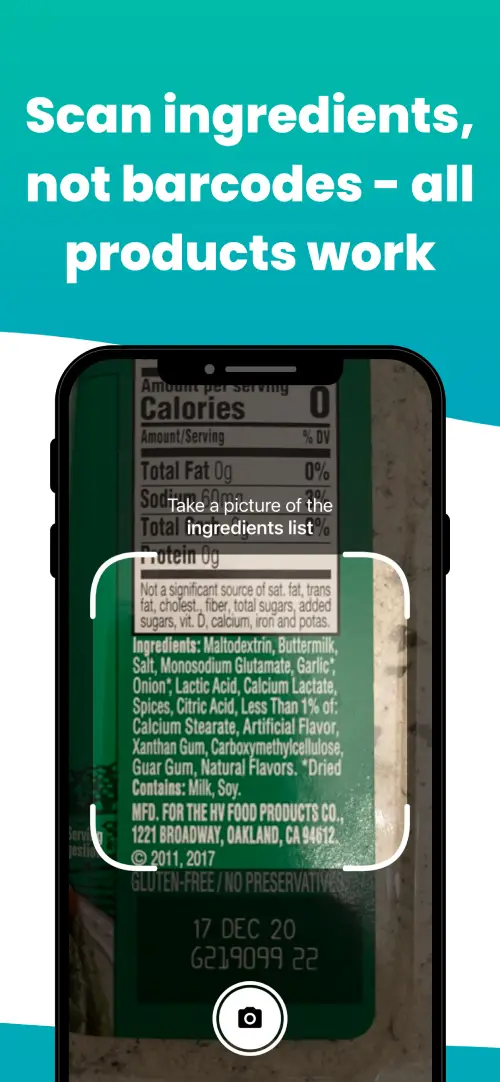
We've built a vegan ingredients scanner that classifies food ingredients as "vegan", "non-vegan", or "potentially vegan".
It allows you to avoid non-vegan ingredients - just take a picture of a product's ingredient list, and the app tells you if the product is vegan or not.



Check out other ingredients:
Is trimethyl siloxysilicate vegan?Is acetyl tributyl citrate vegan?Is n-butyl alcohol vegan?Is trimellitic anhydride copolymer vegan?Is acrylates copolymer vegan?Is neopentyl glycol vegan?Is trimethyl pentanediyl dibenzoate vegan?Is nitrocellulose vegan?Is butyl acetate vegan?Is tocopherol acetate vegan?Is ci 77019 vegan?Is tocopheryl acetate vegan?
We'll never send you spam.