
Is butyloctyl salicylate vegan?
Butyloctyl salicylate is a vegan food ingredient.
Checking out an ingredients list? 👇
"You are amazing, this has saved me so much time when grocery shopping!"
— Austin, a user who reached out with feedback
"It's been a great tool since starting my journey! You take a pic of the nutrition/ingredients, and it'll warn you of anything questionable or not vegan. 😁"
— Ashe, a Vegan For Beginners Facebook Group member
"Use a vegan app when you go shopping, I use WhatsVegan."
— Dóra, a Vegan For Beginners Facebook Group member
So, what is butyloctyl salicylate?
Butyloctyl Salicylate: An Ingredient Profile
In the meticulous world of product formulation, especially within the ethical confines of veganism, every ingredient warrants scrutiny. Butyloctyl salicylate, often encountered in personal care and cosmetic products, is one such compound that frequently prompts inquiry from the conscientious consumer. As a synthetic ester of salicylic acid and 2-butyloctanol, its function is primarily that of a solvent and emollient, often enhancing the spreadability and feel of formulations, particularly sunscreens, and even contributing to the stability of UV filters. It typically presents as a clear, colorless to pale yellow oily liquid with a mild, characteristic odor. Its texture is smooth and non-greasy, an attribute highly valued in skin preparations.
The Vegan Status: A Clear Ethical Standpoint
From the rigorous perspective of a vegan food scientist, focusing on animal ethics and purity, butyloctyl salicylate stands unequivocally as a vegan-friendly ingredient. The "why" behind this status is straightforward: it is a wholly synthetic compound. Its production involves chemical synthesis from precursors that are themselves not derived from animal sources. This chemical manufacturing process ensures that no animal products or byproducts, such as lanolin, beeswax, or collagen, are utilized at any stage, from raw material sourcing to the final product.
Unlike some ingredients where the processing aids or intermediaries might raise red flags concerning animal derivatives, butyloctyl salicylate's synthesis pathway is clean. This deliberate design makes it inherently cruelty-free, as its existence does not rely on animal exploitation, farming, or byproduct collection. While not a "plant-based alternative" in the sense of replacing an animal-derived component, its synthetic nature makes it a common and reliable choice for brands committed to crafting truly vegan and ethical product lines. It fits seamlessly into formulations aiming for comprehensive label transparency for the vegan community.
Navigating the Landscape of Ethical Sourcing
For the vegan consumer, understanding an ingredient's origin is paramount. Butyloctyl salicylate exemplifies how modern chemistry can provide functional, high-performing ingredients that align perfectly with an animal-free lifestyle. Its development avoids the ethical dilemmas associated with sourcing natural ingredients that might, for instance, be subject to cross-contamination in processing or rely on non-vegan stabilizers.
The commitment to animal ethics extends beyond mere avoidance; it embraces choices that actively support a compassionate ecosystem of products. Butyloctyl salicylate, by its very nature, helps formulators create products that are entirely free from animal inputs, upholding the integrity of the vegan promise. This makes it a valuable component in the broader spectrum of plant-based and cruelty-free consumer goods, contributing to the growing availability of genuinely ethical choices for those dedicated to a lifestyle free from animal-derived components. Its inclusion in a product's ingredient list should provide peace of mind to the most discerning vegan consumer.
How to quickly find the source of ingredients like butyloctyl salicylate?
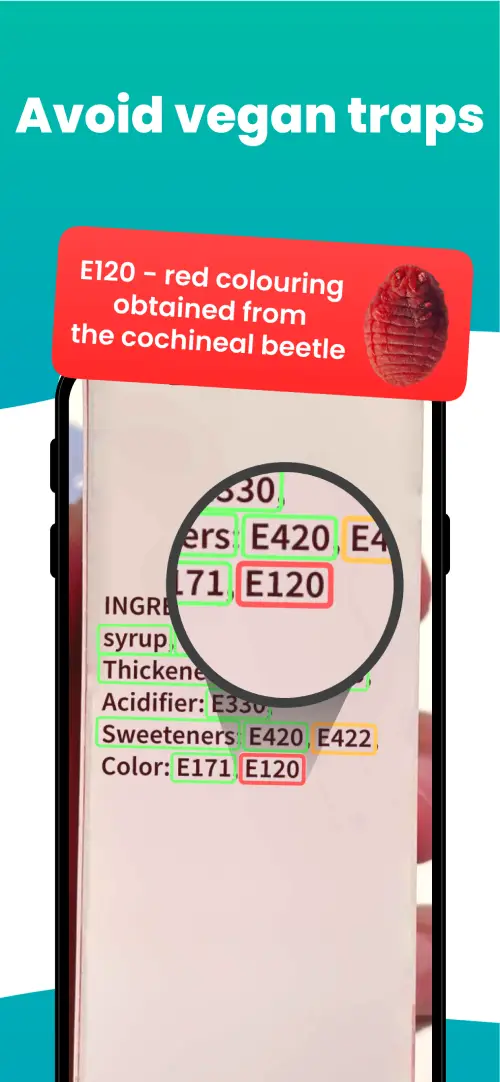
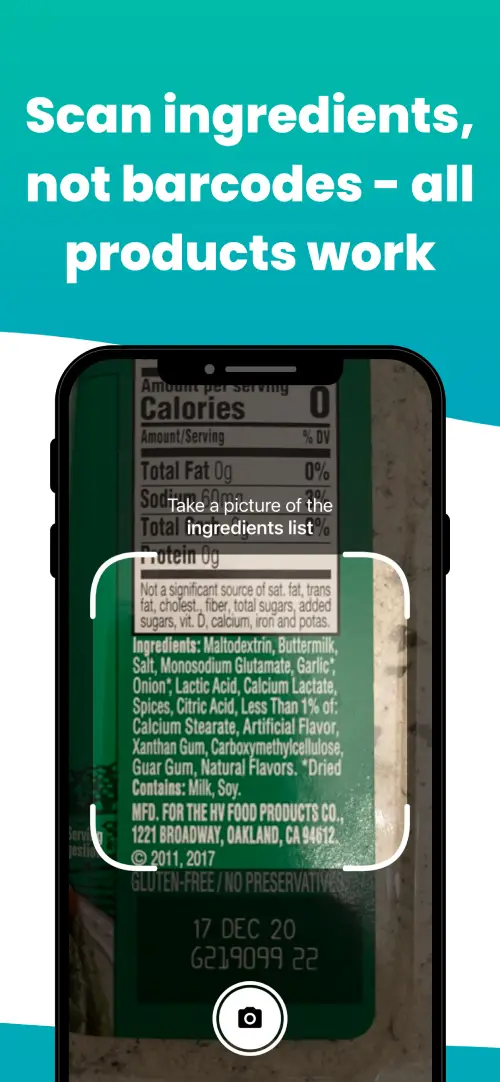
We've built a vegan ingredients scanner that classifies food ingredients as "vegan", "non-vegan", or "potentially vegan".
It allows you to avoid non-vegan ingredients - just take a picture of a product's ingredient list, and the app tells you if the product is vegan or not.



Check out other ingredients:
Is bis-ethylhexyloxyphenol methoxyphenyl triazine vegan?Is hexyl laurate vegan?Is vp/hexadecene copolymer vegan?Is dibutyl adipate vegan?Is caprylyl methicone vegan?Is chlorella vulgaris vegan?Is c12-15 alkyl benzoate vegan?Is isoamyl p-methoxycinnamate vegan?Is carbomer vegan?Is piridoxin-hidroklorid vegan?Is braun ht vegan?Is skummjölk vegan?
We'll never send you spam.