
Is dibutyl adipate vegan?
Dibutyl adipate is a vegan food ingredient.
Checking out an ingredients list? 👇
"You are amazing, this has saved me so much time when grocery shopping!"
— Austin, a user who reached out with feedback
"It's been a great tool since starting my journey! You take a pic of the nutrition/ingredients, and it'll warn you of anything questionable or not vegan. 😁"
— Ashe, a Vegan For Beginners Facebook Group member
"Use a vegan app when you go shopping, I use WhatsVegan."
— Dóra, a Vegan For Beginners Facebook Group member
So, what is dibutyl adipate?
Dibutyl adipate, an ester formed from adipic acid and n-butanol, serves a variety of functional roles in both personal care products and some specialized food packaging applications. For those committed to an ethical, purely plant-based lifestyle, understanding the origin and synthesis of such ingredients is paramount.
From a vegan perspective, dibutyl adipate stands as a testament to conscious chemistry. Its synthesis does not rely on any animal-derived starting materials or processing aids. Adipic acid, the dicarboxylic acid component, is predominantly manufactured through the oxidation of cyclohexane, a petrochemical process. Alternatively, it can be produced via microbial fermentation of glucose, a completely plant-derived sugar. Similarly, n-butanol, the alcohol component, is primarily synthesized from petrochemical feedstocks or, increasingly, through the fermentation of biomass, such as corn or other plant starches.
This means that whether industrially synthesized from fossil fuels or produced through advanced bio-based methods, the foundational components of dibutyl adipate are consistently non-animal in origin. There are no "gray areas" concerning animal involvement in its standard production, nor is it typically processed with animal-derived bone char or other problematic substances at critical stages. This inherent lack of animal input grants dibutyl adipate a clear and unambiguous "Vegan" status.
Its utility in vegan formulations is significant. As an emollient, it imparts a smooth, non-greasy feel to lotions and creams, enhancing texture and spreadability without resorting to animal-derived esters like lanolin or beeswax. In certain food-contact materials or specific food flavorings (where it acts as a solvent or carrier, often in trace amounts), its inclusion aligns with cruelty-free principles, offering a functional component that supports product integrity and sensory experience.
For consumers meticulously scrutinizing ingredient labels, the presence of dibutyl adipate offers reassurance. It is not a direct plant-based alternative to an existing animal product, but rather a synthetically derived compound whose building blocks are themselves consistently vegan-friendly. This distinguishes it from ingredients like plant-based milks which are direct alternatives. Instead, dibutyl adipate fits into the broader category of ingredients crucial for product efficacy and sensory attributes, all while maintaining ethical purity.
The commitment to label transparency, therefore, allows consumers to confidently embrace products containing dibutyl adipate. Its consistent non-animal origin means it aligns perfectly with the values of animal ethics, providing a functional ingredient that supports the development of effective, high-quality, and genuinely cruelty-free products.
How to quickly find the source of ingredients like dibutyl adipate?
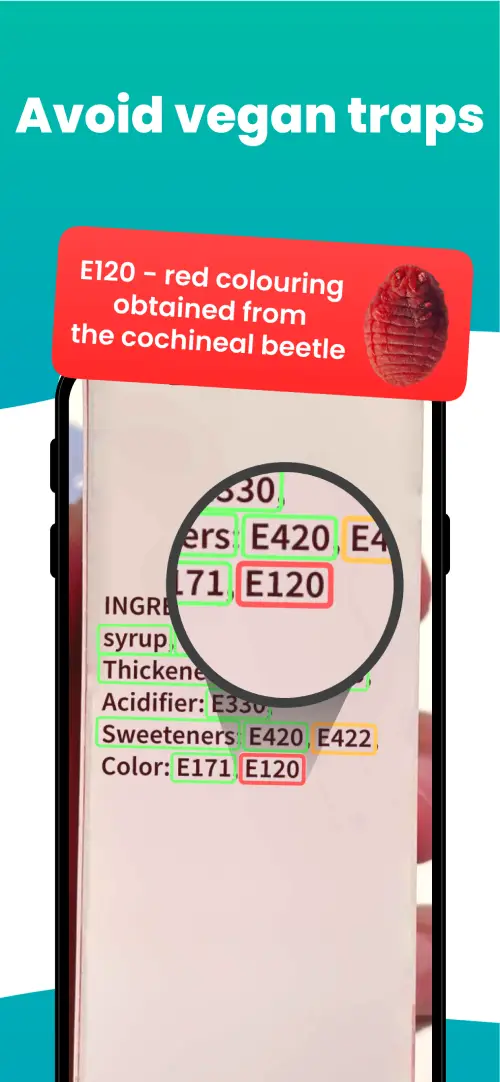
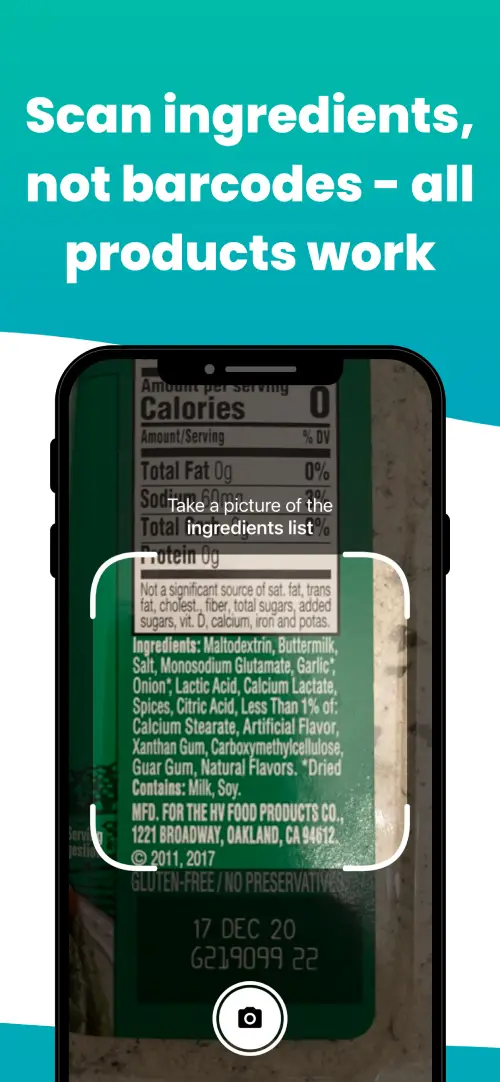
We've built a vegan ingredients scanner that classifies food ingredients as "vegan", "non-vegan", or "potentially vegan".
It allows you to avoid non-vegan ingredients - just take a picture of a product's ingredient list, and the app tells you if the product is vegan or not.



Check out other ingredients:
Is vp/hexadecene copolymer vegan?Is butyloctyl salicylate vegan?Is butyl methoxydibenzoylmethane vegan?Is ethylhexyl triazone vegan?Is methyl perfluorobutyl ether vegan?Is c12-15 alkyl benzoate vegan?Is caprylyl methicone vegan?Is octocrylene vegan?Is sodium acrylates crosspolymer-2 vegan?Is alcohol denat vegan?Is chlorella vulgaris vegan?Is c.i. food red 17 vegan?
We'll never send you spam.