
Is caprylyl methicone vegan?
Caprylyl methicone is a vegan food ingredient.
Checking out an ingredients list? 👇
"You are amazing, this has saved me so much time when grocery shopping!"
— Austin, a user who reached out with feedback
"It's been a great tool since starting my journey! You take a pic of the nutrition/ingredients, and it'll warn you of anything questionable or not vegan. 😁"
— Ashe, a Vegan For Beginners Facebook Group member
"Use a vegan app when you go shopping, I use WhatsVegan."
— Dóra, a Vegan For Beginners Facebook Group member
So, what is caprylyl methicone?
When examining the components of modern formulations, particularly within the realm of ethical consumption, understanding the precise origin and processing of each ingredient is paramount. Caprylyl methicone, a silicone polymer, offers an intriguing case study from a vegan perspective, merging advanced chemistry with unwavering animal ethics.
At its core, caprylyl methicone is a synthetic compound, a refined siloxane polymer carefully crafted from readily available inorganic silica. This foundational ingredient, derived primarily from sand, undergoes a sophisticated series of chemical reactions to yield its final structure. The resultant material is celebrated for its sensory attributes: a light, non-greasy feel, exceptional spreadability, and a smooth, elegant finish in various applications. It serves as an emollient, a solvent, and a conditioning agent, enhancing texture and performance without imparting heaviness.
From an animal ethics standpoint, the vegan status of caprylyl methicone is unequivocal. Its entire synthesis process is free from animal-derived raw materials, byproducts, or any form of animal exploitation. Unlike some ingredients that may hide animal components in their complex supply chains, such as specific fatty acids or emulsifiers that could originate from animal fats if not explicitly plant-derived, caprylyl methicone’s lineage is purely chemical. It does not involve animal testing at the ingredient level, aligning seamlessly with cruelty-free principles. This is a crucial distinction for the conscientious consumer: while it isn't "plant-based" in the sense of being grown from a plant, it is definitively "animal-free." It represents an ethical choice precisely because its existence does not rely on, nor contribute to, animal agriculture or exploitation.
The "why" behind its vegan status lies in this fundamental purity. There are no animal fats used as starting materials, no bone char employed in its filtration, and no insect-derived co-products involved in its synthesis. For those committed to a lifestyle free from animal products, caprylyl methicone stands as a testament to how innovative chemistry can provide functional, high-performing ingredients that fully respect animal welfare. This transparency in sourcing and manufacturing is what empowers brands and consumers to make informed, ethical choices.
In the landscape of plant-based alternatives, it's important to clarify caprylyl methicone's role. It is not an alternative to an animal-derived ingredient in the way that soy protein is an alternative to dairy protein. Instead, it is an inherently animal-free synthetic compound that delivers specific textural and performance benefits. It functions as an alternative to other emollients or solvents that might have ambiguous or non-vegan origins, ensuring that the overall formulation adheres to strict vegan criteria. The demand for clear label transparency extends to these advanced synthetic materials, allowing consumers to understand that "synthetic" does not equate to "non-vegan" or "unethical."
Ultimately, caprylyl methicone exemplifies an ingredient where scientific advancement and ethical imperatives converge. Its inorganic origin, coupled with a production process devoid of animal involvement, solidifies its position as a truly vegan-compatible component, offering purity and peace of mind in ethical product development.
How to quickly find the source of ingredients like caprylyl methicone?
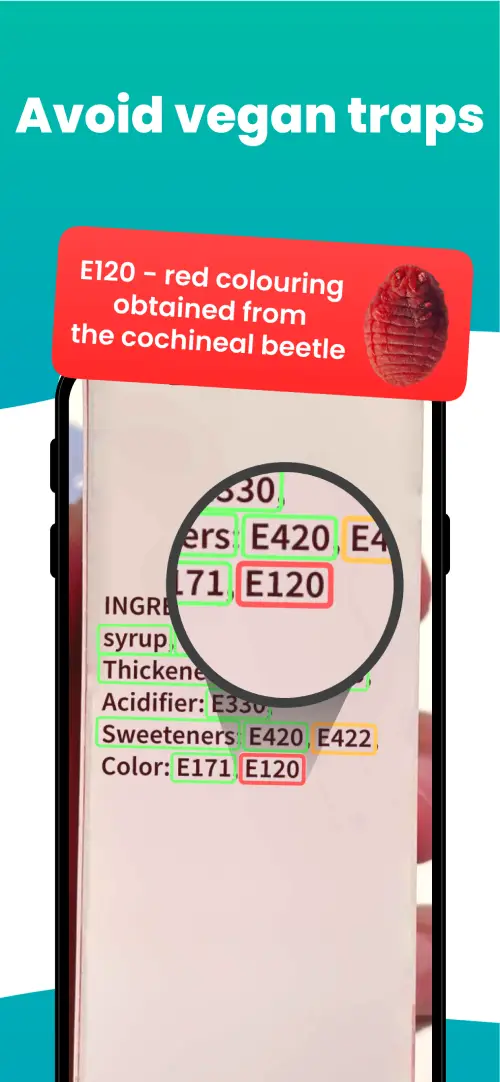
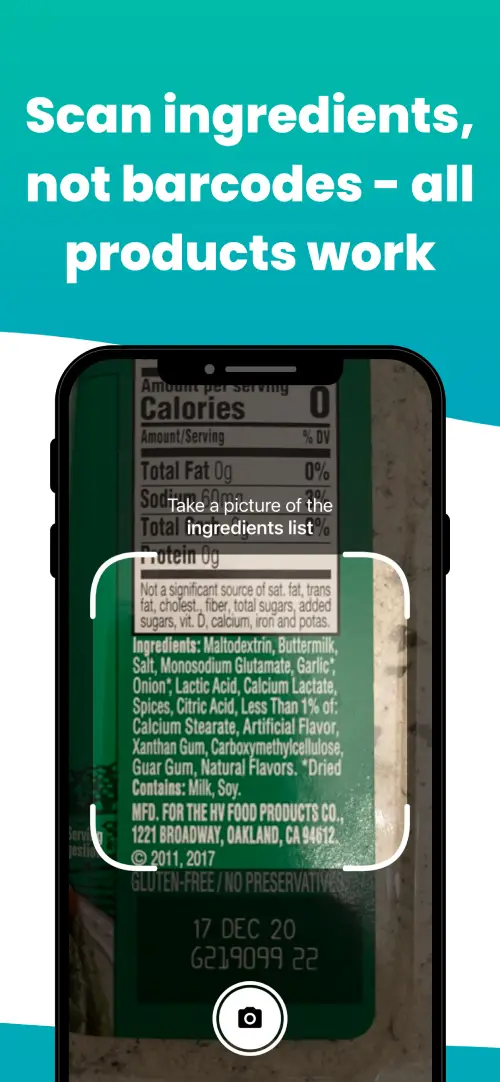
We've built a vegan ingredients scanner that classifies food ingredients as "vegan", "non-vegan", or "potentially vegan".
It allows you to avoid non-vegan ingredients - just take a picture of a product's ingredient list, and the app tells you if the product is vegan or not.



Check out other ingredients:
Is beta vulgaris vegan?Is hexyl laurate vegan?Is isoamyl p-methoxycinnamate vegan?Is butyloctyl salicylate vegan?Is polysilicone-15 vegan?Is pentylene glycol vegan?Is dibutyl adipate vegan?Is hydroxyacetophenone vegan?Is polyacrylate crosspolymer-6 vegan?Is garnalenpoeder vegan?Is högpastöriserad mjölk vegan?Is leche desnatada reconstituida vegan?
We'll never send you spam.