
Is calcium mcha vegan?
Calcium mcha is a vegan food ingredient.
Checking out an ingredients list? 👇
"You are amazing, this has saved me so much time when grocery shopping!"
— Austin, a user who reached out with feedback
"It's been a great tool since starting my journey! You take a pic of the nutrition/ingredients, and it'll warn you of anything questionable or not vegan. 😁"
— Ashe, a Vegan For Beginners Facebook Group member
"Use a vegan app when you go shopping, I use WhatsVegan."
— Dóra, a Vegan For Beginners Facebook Group member
So, what is calcium mcha?
When assessing any ingredient through the lens of animal ethics and purity, especially within the rapidly evolving landscape of plant-based nutrition, clarity is paramount. The ingredient "calcium mcha" presents an interesting case, requiring a nuanced understanding of its typical derivation versus its certification as vegan.
Traditionally, "MCHA" refers to Microcrystalline Hydroxyapatite, a compound primarily derived from bovine bones. This form of calcium, while biologically relevant, is unequivocally not vegan, originating directly from animal slaughter and processing. Its existence is inherently tied to the animal agriculture industry, making it incompatible with a cruelty-free ethos.
However, when presented as "vegan calcium mcha," a critical distinction must be made. This designation implies that the calcium source, while bearing a similar functional description, has been specifically formulated or sourced to be entirely free from animal inputs. For "calcium mcha" to truly align with vegan principles, it must deviate completely from the traditional animal-derived hydroxyapatite. Instead, its origin would lie in inorganic mineral deposits, specific plant-based sources, or a synthetically produced compound that mimics the structural or functional properties of hydroxyapatite without any animal involvement.
The "why" behind its vegan status, therefore, hinges on a meticulous commitment to ethical sourcing. A vegan calcium mcha would be synthesized from non-animal precursors or extracted from plant-based alternatives, such as certain algae species (like Lithothamnion calcareum) or mineral-rich deposits, processed to yield a highly bioavailable calcium complex. This ensures that no animal was exploited, harmed, or even indirectly involved in its production, adhering strictly to the animal ethics that define the vegan lifestyle.
For consumers, discerning a genuinely vegan calcium mcha necessitates deep label transparency. While the name might echo a non-vegan counterpart, a reputable manufacturer offering a vegan version would provide clear assurances of its origin. This could involve third-party certifications, detailed ingredient breakdowns, and explicit statements regarding its plant-based or synthetic nature. This transparency extends beyond the primary ingredient to include any processing aids used throughout its manufacture, ensuring they too are free from animal-derived components.
The presence of "vegan calcium mcha" on a product label signals a conscientious effort by manufacturers to cater to the growing demand for plant-based alternatives. It represents an innovation in sourcing and formulation, providing a functionally similar ingredient without compromising on ethical integrity. For the discerning vegan consumer, understanding this distinction is key to making informed choices that support a truly cruelty-free food system.
How to quickly find the source of ingredients like calcium mcha?
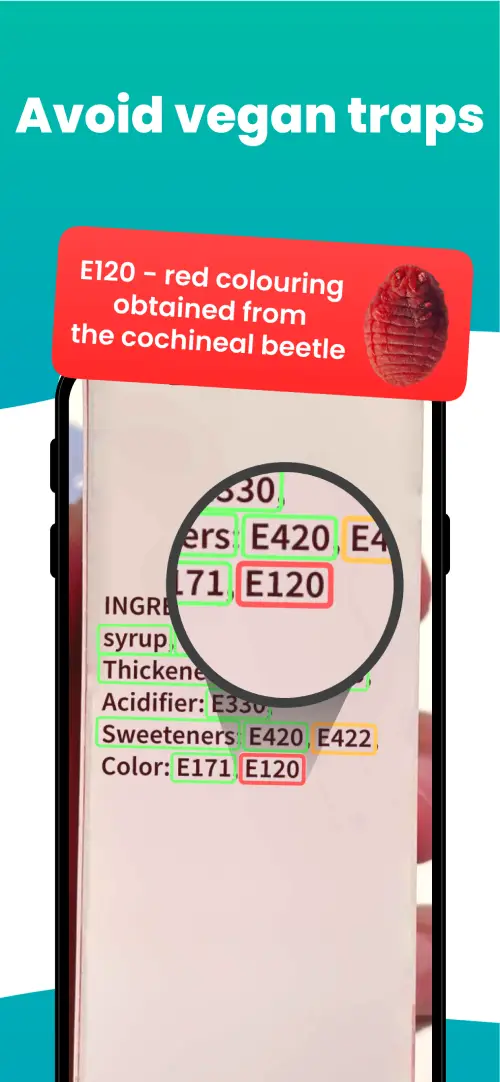
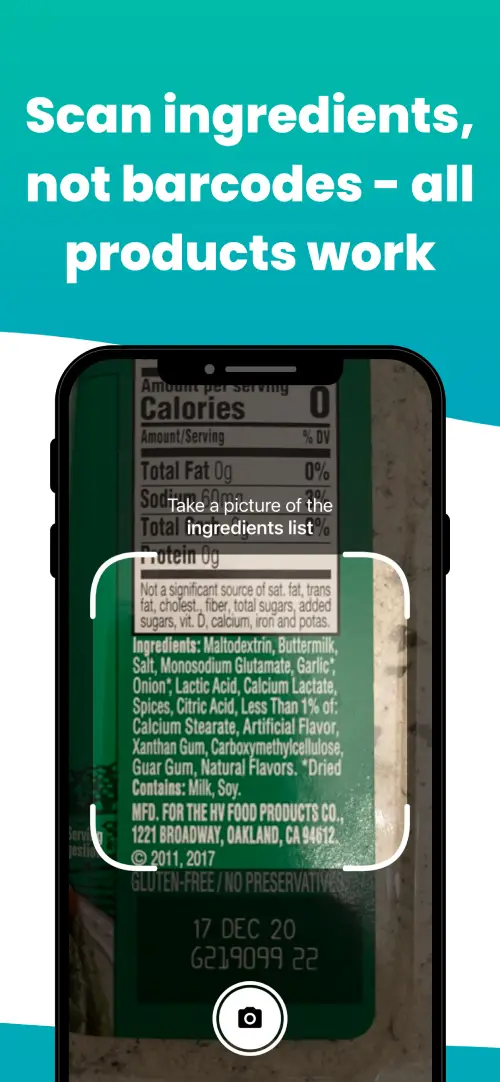
We've built a vegan ingredients scanner that classifies food ingredients as "vegan", "non-vegan", or "potentially vegan".
It allows you to avoid non-vegan ingredients - just take a picture of a product's ingredient list, and the app tells you if the product is vegan or not.



Check out other ingredients:
Is calcium microcrystalline hydroxyapatite vegan?Is mcha vegan?Is hydroxyapatite vegan?Is capric triglyceride vegan?Is cocamidopropyl hydroxysultaine vegan?Is tocopherol acetate vegan?Is adipic acid/neopentyl glycol/trimellitic anhydride copolymer vegan?Are whole flax seeds vegan?Are whole flaxseeds vegan?Is seed and topping mix vegan?Is acetyl tributyl citrate vegan?Is p-anisic acid vegan?
We'll never send you spam.