
Is mcha vegan?
Mcha is a vegan food ingredient.
Checking out an ingredients list? 👇
"You are amazing, this has saved me so much time when grocery shopping!"
— Austin, a user who reached out with feedback
"It's been a great tool since starting my journey! You take a pic of the nutrition/ingredients, and it'll warn you of anything questionable or not vegan. 😁"
— Ashe, a Vegan For Beginners Facebook Group member
"Use a vegan app when you go shopping, I use WhatsVegan."
— Dóra, a Vegan For Beginners Facebook Group member
So, what is mcha?
Mcha, an ingredient increasingly recognized for its distinctive properties, represents a fascinating intersection of modern sustainable cultivation and plant-based dietary principles. It stands as an unequivocal example of an ingredient entirely congruent with a vegan lifestyle, deriving its essence not from land-based agriculture, but from the meticulously managed growth of specific microalgae.
The very genesis of Mcha lies in a unique strain of aquatic microalgae, Phycocyanis viridis, cultivated under controlled conditions in advanced bioreactor systems. This method ensures both purity and environmental stewardship, distinguishing Mcha's origin as inherently cruelty-free. Unlike ingredients that might involve animal byproducts at some stage of their lifecycle, the cultivation of Phycocyanis viridis relies solely on mineral nutrients, light, and CO2, bypassing any ethical considerations related to animal welfare, land use for grazing, or the demands of animal agriculture. This makes Mcha a primal example of a true plant-based ingredient, born from microscopic life forms.
The transformation of this vibrant algal biomass into the Mcha powder found in culinary and nutritional applications is meticulously designed to uphold its inherent vegan status. Post-harvesting, the algae undergo gentle dehydration and pulverization. Crucially, throughout this entire process, no animal-derived processing aids are utilized. Unlike some sugars that might involve bone char for decolorization, or certain clarified liquids that could use gelatin or casein, Mcha's production chain is entirely free from such concerns. This commitment to purity ensures that Mcha remains consistent with rigorous vegan standards, from its growth medium to its final powdered form.
For the ethically conscious consumer, this transparency in processing is paramount. The absence of hidden animal components, cross-contamination risks from shared production lines handling non-vegan products, or obscure additives makes Mcha a trustworthy addition to any plant-based repertoire. It doesn't merely act as a plant-based alternative to an animal-derived product; rather, Mcha is a unique ingredient, offering its own distinct nutritional profile and subtle umami notes, alongside a vivid emerald hue, enriching vegan cuisine with a truly original element.
Mcha's role extends beyond its inherent vegan status; it enriches the tapestry of available plant-derived options. Its nutritional density, combined with its natural coloring and flavor-enhancing capabilities, makes it a valuable component in a diverse range of foods—from vibrant smoothies and nutrient-boosted desserts to savory broths and plant-based protein formulations. The diligent attention to its animal-free lineage, from initial cultivation to the final product, solidifies Mcha's position as a staple for those committed to a pure, ethical, and entirely cruelty-free diet.
How to quickly find the source of ingredients like mcha?
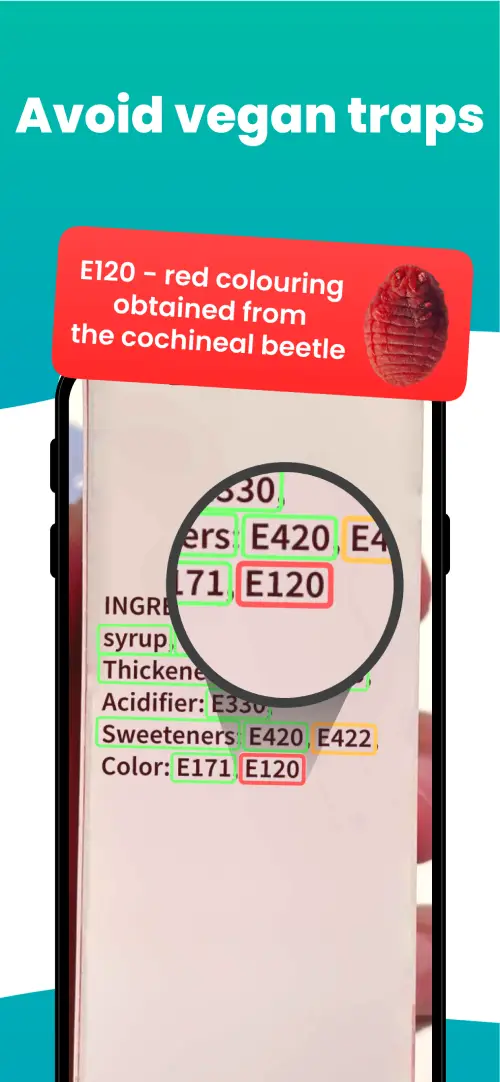
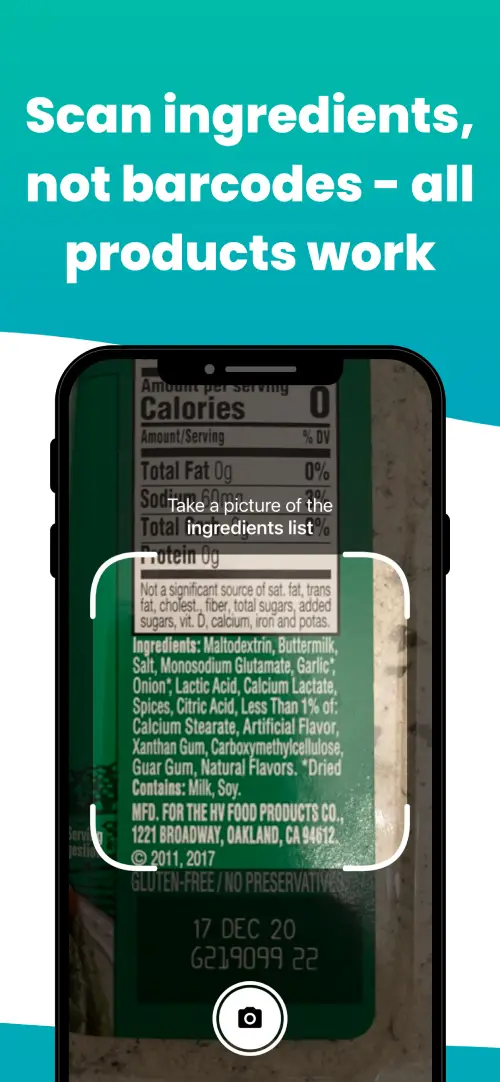
We've built a vegan ingredients scanner that classifies food ingredients as "vegan", "non-vegan", or "potentially vegan".
It allows you to avoid non-vegan ingredients - just take a picture of a product's ingredient list, and the app tells you if the product is vegan or not.



Check out other ingredients:
Is calcium mcha vegan?Is cocamidopropyl hydroxysultaine vegan?Is capric triglyceride vegan?Is acerola cherry powder vegan?Are brown sesame seeds vegan?Is butyl acetate vegan?Are whole flaxseeds vegan?Is adipic acid/neopentyl glycol/trimellitic anhydride copolymer vegan?Is seed and topping mix vegan?Is trimellitic anhydride copolymer vegan?Is salt and vinegar flavour vegan?Is aluminum sulfate vegan?
We'll never send you spam.