
Is cocamidopropyl hydroxysultaine vegan?
Cocamidopropyl hydroxysultaine is a vegan food ingredient.
Checking out an ingredients list? 👇
"You are amazing, this has saved me so much time when grocery shopping!"
— Austin, a user who reached out with feedback
"It's been a great tool since starting my journey! You take a pic of the nutrition/ingredients, and it'll warn you of anything questionable or not vegan. 😁"
— Ashe, a Vegan For Beginners Facebook Group member
"Use a vegan app when you go shopping, I use WhatsVegan."
— Dóra, a Vegan For Beginners Facebook Group member
So, what is cocamidopropyl hydroxysultaine?
Understanding Cocamidopropyl Hydroxysultaine: A Plant-Derived Purity Standard
In the intricate world of ingredient science, particularly for those committed to ethical consumption, understanding the true origin and processing of compounds is paramount. Cocamidopropyl hydroxysultaine (CHS) is an ingredient frequently encountered in personal care products, cleaners, and sometimes even specialized food applications, often chosen for its unique properties. For the vegan consumer and formulator, its status is definitively clear: cocamidopropyl hydroxysultaine stands as a robustly vegan ingredient.
The Foundational Plant-Based Origin
At its core, cocamidopropyl hydroxysultaine is a derivative of coconut oil. The "coco" in its name directly points to this botanical source, specifically the fatty acids extracted from the fruit of the coconut palm (Cocos nucifera). These fatty acids are then reacted with specific compounds to create the amphoteric surfactant known as CHS. This process leverages the natural abundance and renewable nature of coconuts, making it a prime example of a plant-based alternative in various formulations.
Its derivation begins with cocamidopropyl betaine, which itself comes from coconut oil and dimethylaminopropylamine. The subsequent sultaine reaction further refines the molecule, imparting excellent foaming, cleansing, and conditioning properties, all while maintaining a mild profile. There are no animal inputs, byproducts, or catalysts involved at any stage of its standard commercial synthesis.
Ethical Formulation and Functional Excellence
From the perspective of animal ethics and purity, CHS is a highly valued component. It offers a gentle yet effective solution where surfactants are required, often acting as a foam booster, viscosity enhancer, and mild cleanser. Its ability to create a rich, stable lather, described as creamy and luxurious, makes it a preferred choice over harsher synthetic alternatives or those that might raise questions about their ultimate origin. This inherent mildness, coupled with its reliable plant-based genesis, ensures that products utilizing CHS align perfectly with cruelty-free standards.
For conscious consumers examining label transparency, the presence of cocamidopropyl hydroxysultaine should instill confidence. It serves as a clear indication that formulators are opting for ingredients with a verifiable plant pedigree, actively avoiding any animal-derived components or processing aids that could compromise a product's vegan integrity. This dedication to sourcing underpins a commitment to high purity standards, appealing to a demographic that values transparency as much as efficacy.
A Pillar of Plant-Based Innovation
Cocamidopropyl hydroxysultaine exemplifies the ongoing innovation within the plant-based sector. It is not merely a substitute; it is a superior choice, often outperforming older, less ethical ingredients in terms of mildness and compatibility with sensitive skin and formulations. Its widespread adoption in "free-from" product lines and certified vegan formulations further solidifies its position as a trusted and essential component for those seeking truly plant-powered solutions.
In conclusion, cocamidopropyl hydroxysultaine offers both scientific integrity and ethical assurance. Derived unequivocally from plant sources, its production methods are clean, and its functional attributes are commendable, making it a cornerstone ingredient for any truly vegan and cruelty-free product development.
How to quickly find the source of ingredients like cocamidopropyl hydroxysultaine?
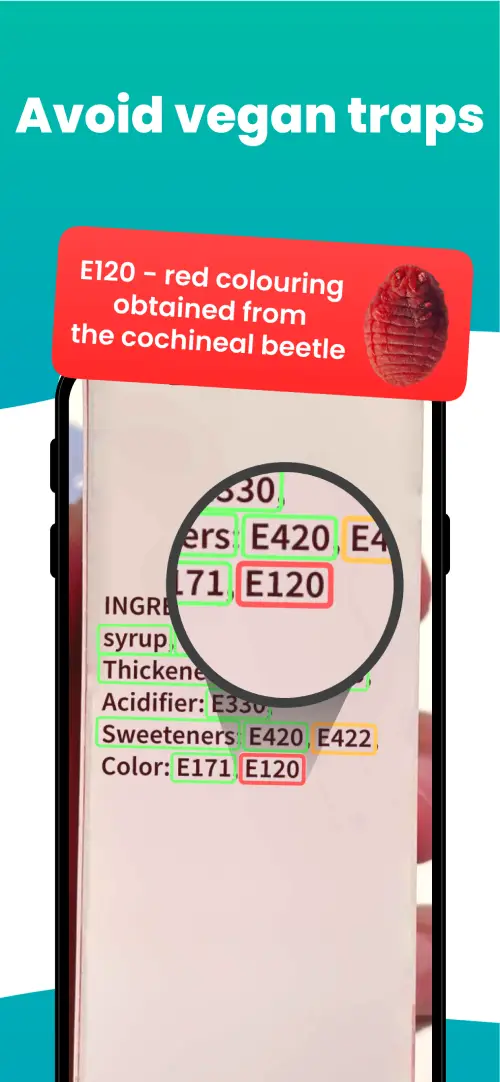
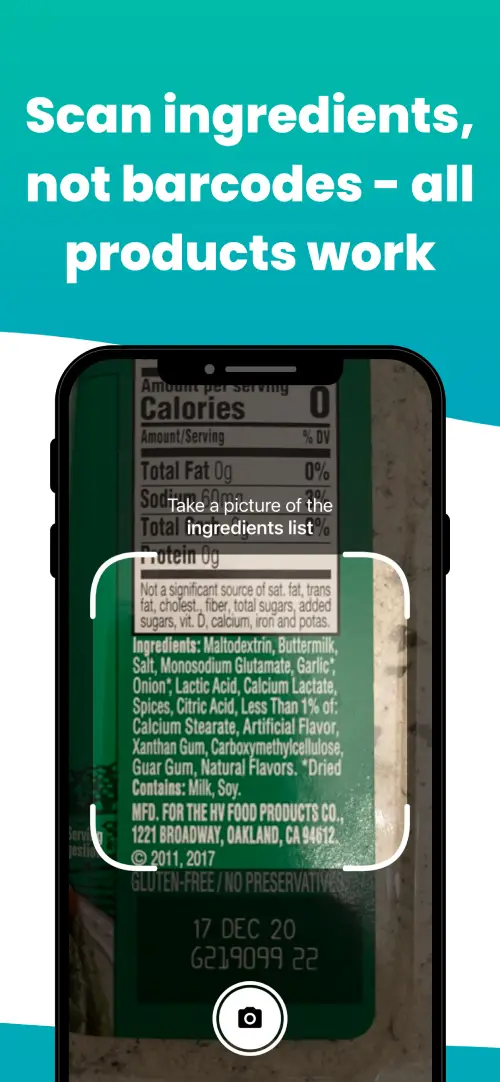
We've built a vegan ingredients scanner that classifies food ingredients as "vegan", "non-vegan", or "potentially vegan".
It allows you to avoid non-vegan ingredients - just take a picture of a product's ingredient list, and the app tells you if the product is vegan or not.



Check out other ingredients:
Is hydroxyapatite vegan?Is mcha vegan?Is acerola cherry powder vegan?Is calcium mcha vegan?Is coarse sea salt vegan?Is calcium microcrystalline hydroxyapatite vegan?Are brown sesame seeds vegan?Is capric triglyceride vegan?Is seed and topping mix vegan?Is p-anisic acid vegan?Is adipic acid/neopentyl glycol/trimellitic anhydride copolymer vegan?Is natural mandarin flavor vegan?
We'll never send you spam.