
Is calcium microcrystalline hydroxyapatite vegan?
Calcium microcrystalline hydroxyapatite is a vegan food ingredient.
Checking out an ingredients list? 👇
"You are amazing, this has saved me so much time when grocery shopping!"
— Austin, a user who reached out with feedback
"It's been a great tool since starting my journey! You take a pic of the nutrition/ingredients, and it'll warn you of anything questionable or not vegan. 😁"
— Ashe, a Vegan For Beginners Facebook Group member
"Use a vegan app when you go shopping, I use WhatsVegan."
— Dóra, a Vegan For Beginners Facebook Group member
So, what is calcium microcrystalline hydroxyapatite?
Calcium microcrystalline hydroxyapatite (MCHA) represents a specific form of calcium known for its highly bioavailable nature, closely mirroring the mineral structure found in human bone. It is a complex mineral matrix, a finely milled powder comprising calcium, phosphorus, and other trace elements. For those prioritizing a plant-based, ethical lifestyle, understanding the origins and implications of such an ingredient is paramount.
Traditionally, MCHA has been sourced from bovine bone. This conventional extraction method involves processing the bones of cattle, effectively rendering it an animal-derived product. For vegans, this presents an unequivocal ethical conflict. The core tenet of veganism is to avoid all forms of animal exploitation and cruelty, meaning ingredients derived from animals, even byproducts like bones, are inherently incompatible with a vegan lifestyle. This traditional form of MCHA would therefore be classified as unequivocally "Not Vegan."
However, the landscape of nutritional science and ethical sourcing is continually evolving. Advanced scientific processes have enabled the creation of synthetic calcium hydroxyapatite. This form is chemically identical to its naturally occurring counterpart but is manufactured through controlled laboratory synthesis, using inorganic precursors rather than animal tissues. It is this synthetic, lab-grown version that can genuinely be classified as vegan. It offers the same mineral complex without any animal input, making it a truly cruelty-free option for those seeking its specific benefits within a plant-based diet.
For a product containing MCHA to truly align with vegan principles, meticulous label transparency and rigorous sourcing verification are absolutely essential. Consumers must look for explicit declarations such as "synthetic microcrystalline hydroxyapatite" or certifications that guarantee a "cruelty-free" status, clearly indicating no animal derivatives were used in its production. Without such clarity, the default assumption for any MCHA should remain non-vegan, given its historical and common bovine origin. Furthermore, it's prudent to inquire about any processing aids used in its manufacture, ensuring these, too, are free from animal-derived components.
While synthetic MCHA offers a vegan-friendly option, it's also important to remember the abundance of calcium available through whole plant-based alternatives. Rich sources like fortified plant milks, tofu, leafy greens (kale, collard greens), sesame seeds, and chia seeds provide excellent dietary calcium, often accompanied by other beneficial nutrients. These plant-based alternatives contribute to a holistic approach to nutrition, where specific isolated supplements like MCHA may complement, but not replace, a varied and nutrient-dense diet.
In conclusion, while calcium microcrystalline hydroxyapatite has historically been non-vegan due to its bovine origin, the emergence of synthetic, lab-created versions now provides an ethical pathway for its inclusion in vegan diets. Navigating this ingredient requires diligence, demanding high standards of label transparency and a commitment to verifying non-animal sourcing to ensure alignment with animal ethics and purity.
How to quickly find the source of ingredients like calcium microcrystalline hydroxyapatite?
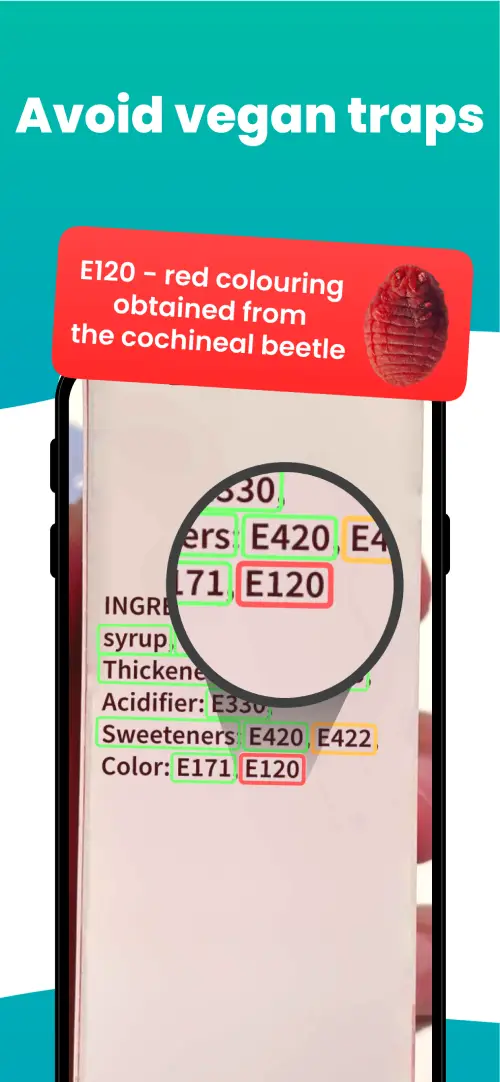
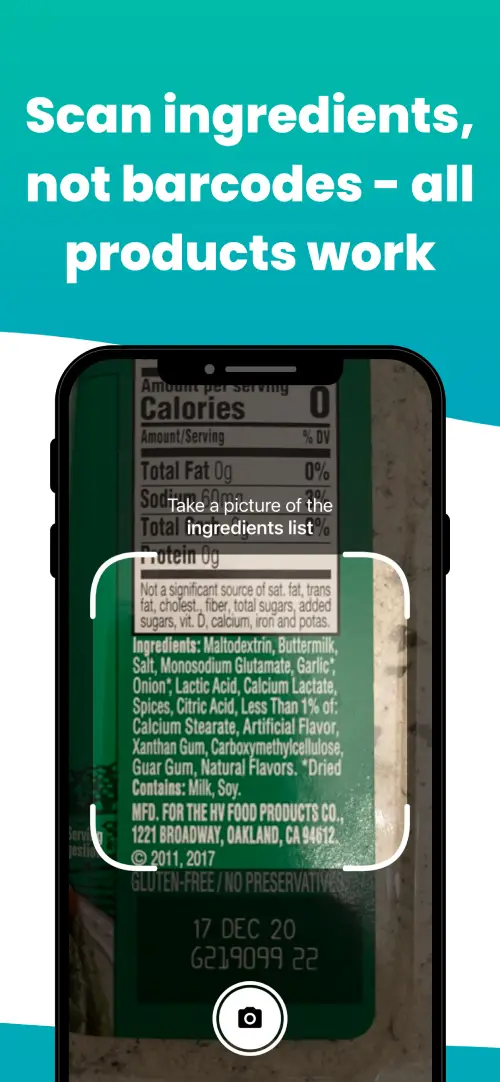
We've built a vegan ingredients scanner that classifies food ingredients as "vegan", "non-vegan", or "potentially vegan".
It allows you to avoid non-vegan ingredients - just take a picture of a product's ingredient list, and the app tells you if the product is vegan or not.



Check out other ingredients:
Is sweet almond oil vegan?Is calcium mcha vegan?Is capric triglyceride vegan?Is tocopheryl acetate vegan?Is tocopherol acetate vegan?Is cocamidopropyl hydroxysultaine vegan?Is butyl acetate vegan?Are red & green peppers vegan?Is nitrocellulose vegan?Is acerola cherry powder vegan?Is adipic acid/neopentyl glycol/trimellitic anhydride copolymer vegan?Is coarse sea salt vegan?
We'll never send you spam.