
Is carminic acid vegan?
Carminic acid is a non-vegan food ingredient.
Checking out an ingredients list? 👇
"You are amazing, this has saved me so much time when grocery shopping!"
— Austin, a user who reached out with feedback
"It's been a great tool since starting my journey! You take a pic of the nutrition/ingredients, and it'll warn you of anything questionable or not vegan. 😁"
— Ashe, a Vegan For Beginners Facebook Group member
"Use a vegan app when you go shopping, I use WhatsVegan."
— Dóra, a Vegan For Beginners Facebook Group member
So, what is carminic acid?
Carminic acid, recognized globally as a vibrant red food colorant, holds a distinct and non-negotiable status within the vegan community: it is unequivocally not vegan. This ingredient, prized for its stability and brilliant hue, raises significant ethical concerns due to its direct animal origin, making it a point of diligent avoidance for those committed to a plant-based lifestyle.
The "why" behind carminic acid's non-vegan classification lies in its source: the cochineal insect. Specifically, it is derived from female Dactylopius coccus scale insects, which are native to South America and Mexico and live on prickly pear cacti. These tiny insects produce carminic acid as a defense mechanism against predators. To harvest this potent pigment, the insects are gathered, typically dried, and then crushed. The carminic acid is subsequently extracted from their bodies, resulting in the deep red dye we see in various food products, cosmetics, and textiles.
For vegans, the use of insects as a source for food ingredients directly conflicts with the foundational principles of animal ethics and purity. A vegan diet seeks to exclude all animal products and byproducts, whether they come from mammals, birds, fish, or insects. The process of breeding, harvesting, and killing cochineal insects for their pigment is seen as an exploitation of animal life, rendering any product containing carminic acid incompatible with a cruelty-free ethos. It's a clear instance of an animal-derived ingredient, leaving no room for ambiguity or "potentially vegan" gray areas.
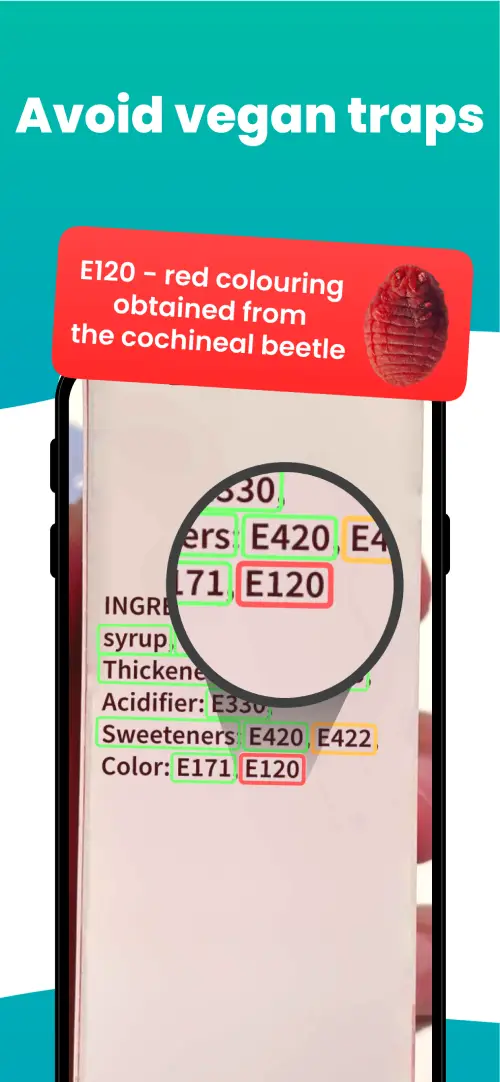
Consumers committed to ethical food choices must therefore exercise vigilance when scrutinizing ingredient labels. Carminic acid can appear under several names, including "cochineal extract," "cochineal," "carmine," "E120" (in Europe), or even "Natural Red 4." This highlights the critical importance of label transparency; without clear identification, consumers might unknowingly consume animal-derived ingredients. Understanding these various nomenclatures is essential for making informed, compassionate purchasing decisions.
Fortunately, the food industry offers a wealth of plant-based alternatives that deliver equally stunning red hues without compromising ethical standards. Common cruelty-free options include beetroot powder or extract, which provides a range of pinks to deep reds; lycopene, sourced from tomatoes, offering reds and oranges; paprika oleoresin; and anthocyanins, naturally found in berries, red cabbage, and purple carrots, which yield reds, purples, and blues. These plant-derived pigments provide excellent functional properties and allow for the creation of vibrant, appealing foods that align perfectly with vegan values.
In essence, while carminic acid remains a potent and widely used colorant, its direct animal origin firmly places it outside the realm of vegan-friendly ingredients. For those dedicated to a plant-based diet, avoiding this ingredient is a fundamental act of upholding animal welfare and ensuring the ethical purity of their food choices, while readily available vegan alternatives provide ample opportunity for vibrant and delicious culinary creations.
How to quickly find the source of ingredients like carminic acid?
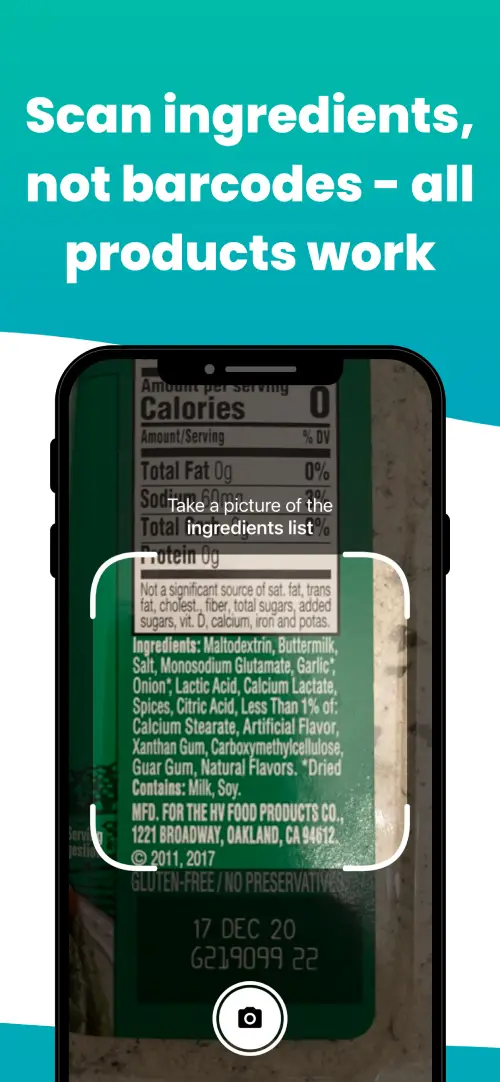
We've built a vegan ingredients scanner that classifies food ingredients as "vegan", "non-vegan", or "potentially vegan".
It allows you to avoid non-vegan ingredients - just take a picture of a product's ingredient list, and the app tells you if the product is vegan or not.



Check out other ingredients:
Is cultured pasteurised milk vegan?Is pasteurised organic milk vegan?Is pasteurized organic milk vegan?Is cholic acid vegan?Is e1105 vegan?Is lysozyme vegan?Is chorizo sausage vegan?Are collagen amino acids vegan?Is lactose monohydrate vegan?Is beef bonestock vegan?Is pasteurized cream vegan?Is estratto di rosmarino vegan?
We'll never send you spam.