
Is lactose monohydrate vegan?
Lactose monohydrate is a non-vegan food ingredient.
Checking out an ingredients list? 👇
"You are amazing, this has saved me so much time when grocery shopping!"
— Austin, a user who reached out with feedback
"It's been a great tool since starting my journey! You take a pic of the nutrition/ingredients, and it'll warn you of anything questionable or not vegan. 😁"
— Ashe, a Vegan For Beginners Facebook Group member
"Use a vegan app when you go shopping, I use WhatsVegan."
— Dóra, a Vegan For Beginners Facebook Group member
So, what is lactose monohydrate?
Lactose Monohydrate: A Definitive Guide for the Conscious Consumer
Lactose monohydrate, a seemingly innocuous crystalline powder, frequently appears on ingredient lists across various industries. For those committed to a vegan lifestyle rooted in animal ethics, understanding its origin is paramount. From a scientific and ethical standpoint, lactose monohydrate is unequivocally not vegan.
At its core, lactose is a disaccharide, a sugar composed of glucose and galactose. Its natural and sole biological source is the milk produced by mammals. While found in human breast milk, the lactose monohydrate used commercially is overwhelmingly derived from bovine (cow's) milk. The process involves isolating lactose from whey, a byproduct of cheesemaking, which is then purified and crystallized to form the white, crystalline powder known as lactose monohydrate. This origin directly implicates the dairy industry, an enterprise inherently tied to the exploitation of animals, including the artificial insemination of cows, the separation of calves from their mothers, and the eventual slaughter of animals deemed no longer productive. For vegans, who oppose all forms of animal use for food, clothing, or other purposes, any ingredient originating from this system is deemed unacceptable.
Its presence in a vast array of products often goes unnoticed by the average consumer, yet vigilance is crucial for those navigating a cruelty-free path. In the pharmaceutical sector, lactose monohydrate is a ubiquitous excipient, serving as a binder, filler, or diluent in tablets and capsules due to its excellent compressibility and flow properties. In the food industry, it's utilized not only as a mild sweetener but also as a texture agent, stabilizer, and processing aid in items ranging from baked goods and confectionery to processed snacks and powdered mixes. Its functional attributes are appreciated by manufacturers, but its animal-derived nature renders these products incompatible with vegan principles.
The challenge for ethical consumers lies in scrutinizing ingredient labels. While terms like "milk solids" or "whey powder" are clear indicators of dairy, "lactose monohydrate" may not immediately signal its animal origin to everyone. This highlights the ongoing need for greater label transparency and comprehensive consumer education. Understanding this specific ingredient empowers individuals to make informed choices that align with their values.
Fortunately, for almost every application of lactose monohydrate, robust plant-based alternatives exist. For pharmaceutical formulations, various plant-derived starches, celluloses (like microcrystalline cellulose), and sugar alcohols can serve similar binding and filling functions. In food applications, sweeteners like dextrose, sucrose (ensuring it's bone-char free), maltodextrin, or other plant-based syrups can replace its sweetness, while plant fibers, gums, and proteins can replicate its textural and stabilizing properties. These cruelty-free alternatives demonstrate that functionality and efficacy do not require reliance on animal products.
In conclusion, lactose monohydrate is a direct product of the dairy industry and, as such, is not vegan. Its presence in products signifies a direct link to animal agriculture. Identifying it on labels is a key step towards maintaining a truly plant-based, ethical lifestyle, underscoring the importance of meticulous ingredient review for every conscious consumer.
How to quickly find the source of ingredients like lactose monohydrate?
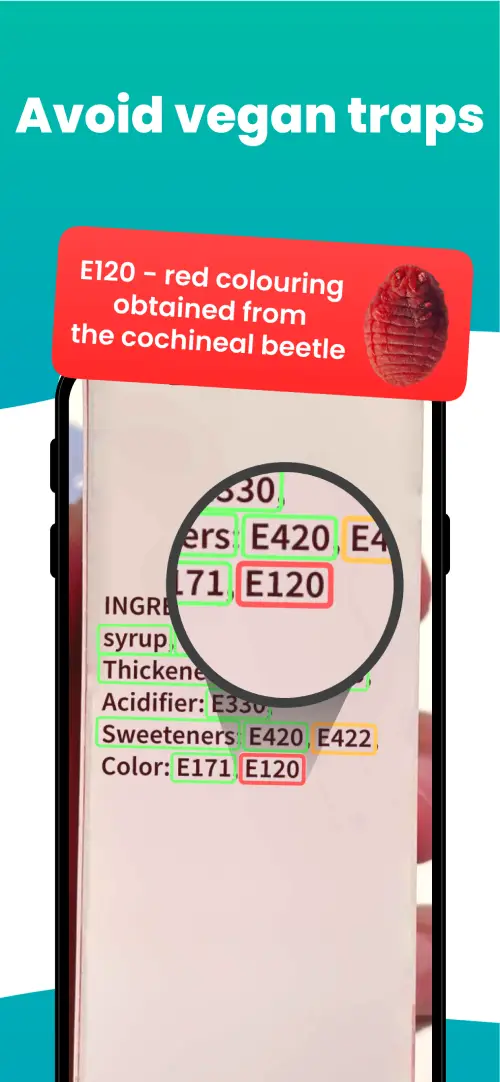
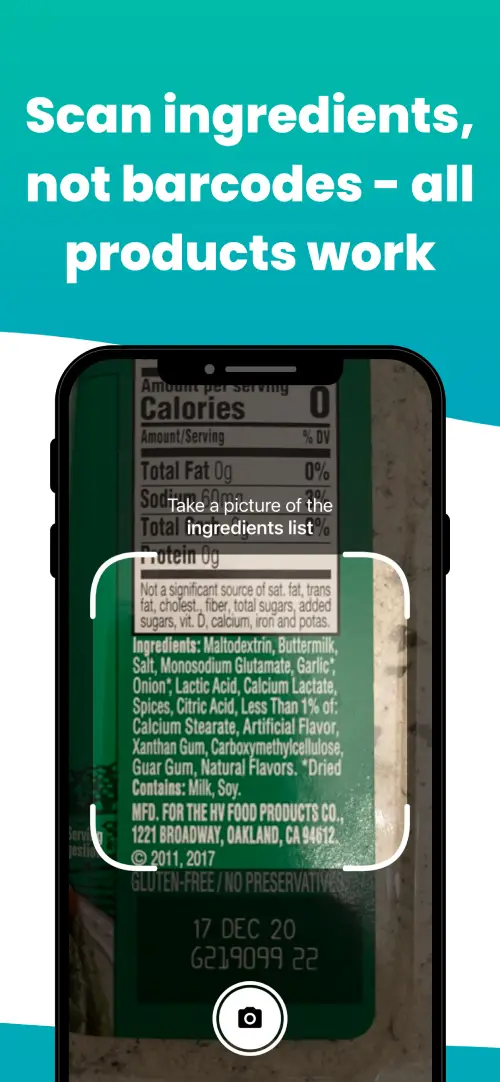
We've built a vegan ingredients scanner that classifies food ingredients as "vegan", "non-vegan", or "potentially vegan".
It allows you to avoid non-vegan ingredients - just take a picture of a product's ingredient list, and the app tells you if the product is vegan or not.



We'll never send you spam.