
Is cera alba vegan?
Cera alba is a non-vegan food ingredient.
Checking out an ingredients list? 👇
"You are amazing, this has saved me so much time when grocery shopping!"
— Austin, a user who reached out with feedback
"It's been a great tool since starting my journey! You take a pic of the nutrition/ingredients, and it'll warn you of anything questionable or not vegan. 😁"
— Ashe, a Vegan For Beginners Facebook Group member
"Use a vegan app when you go shopping, I use WhatsVegan."
— Dóra, a Vegan For Beginners Facebook Group member
So, what is cera alba?
Cera Alba, often found nestled within ingredient lists, refers to purified beeswax. This naturally occurring ester of fatty acids and various long-chain alcohols serves a multitude of functions across the food, cosmetic, and pharmaceutical industries due to its impressive emulsifying, thickening, and stabilizing properties. When examined through the lens of animal ethics and purity, however, its origin immediately categorizes it as unequivocally non-vegan.
The reason for Cera Alba's non-vegan status is clear and direct: it is a substance produced and secreted by worker honeybees (Apis mellifera). Beeswax forms the structural basis of their intricate honeycombs, serving as a vital repository for honey, pollen, and a safe nursery for their young. To obtain Cera Alba, beekeepers harvest these wax cappings and comb material, which are then melted, filtered, and purified.
From an ethical standpoint, the collection of beeswax, much like honey, is intrinsically linked to the commercial exploitation of an animal species. Modern beekeeping practices, even those labeled "sustainable," often involve interventions that are contrary to vegan principles. These can include practices such as queen manipulation (e.g., artificial insemination, wing clipping to prevent swarming), the use of smoke to subdue colonies, the transportation of bees for pollination services, and the replacement of harvested honey – the bees' primary food source – with sugar syrup, which lacks the nutritional complexity of their natural diet. These actions raise significant concerns about animal welfare, the disruption of natural bee behavior, and the commodification of a sentient creature's labor and products. True veganism extends its compassion to all animals, including insects, recognizing their right to live free from human interference and exploitation.
For those adhering to a strictly plant-based or cruelty-free lifestyle, identifying Cera Alba on a label is a definitive signal to avoid the product. Its unique physical properties – a firm, yellowish-white waxy substance that provides a smooth, occlusive barrier and enhances texture – are highly valued in applications ranging from confectionery glazes to protective coatings for fresh produce, and as a binder in tablets.
Fortunately, the demand for truly vegan products has spurred innovation in plant-based alternatives that can replicate the functionality of Cera Alba without compromising ethical standards. Common plant-based waxes include Candelilla wax (derived from the Candelilla shrub), Carnauba wax (from the leaves of the Carnauba palm), Sunflower wax, and Rice bran wax. These botanical waxes offer similar thickening, emulsifying, and glazing capabilities, providing excellent cruelty-free solutions for product formulation.
For conscious consumers, label transparency remains paramount. Vigilantly checking ingredient lists for "Cera Alba," "beeswax," or "E901" (its E-number designation in some regions) is essential. By choosing products that utilize these innovative plant-based alternatives, individuals can ensure their consumption aligns with a commitment to animal ethics and a purer, more compassionate food system.
How to quickly find the source of ingredients like cera alba?
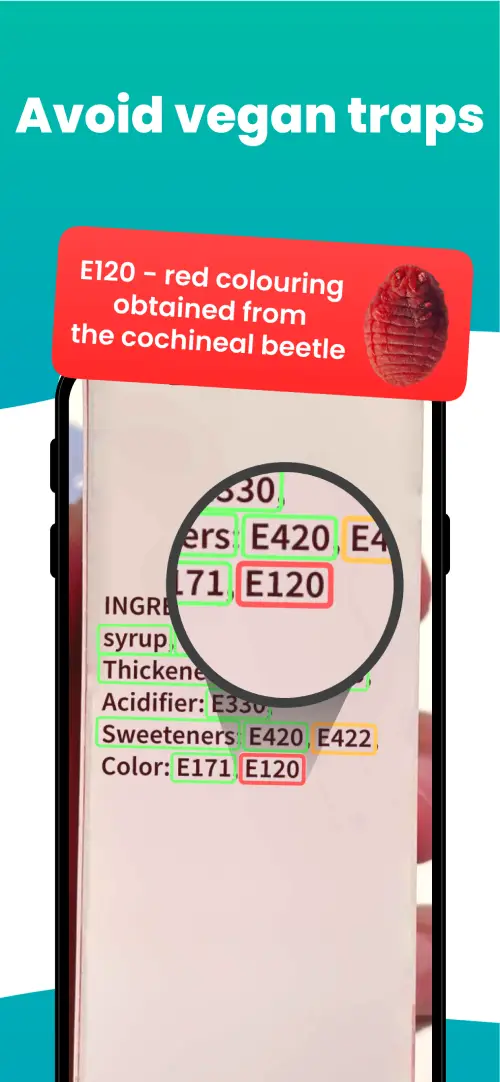
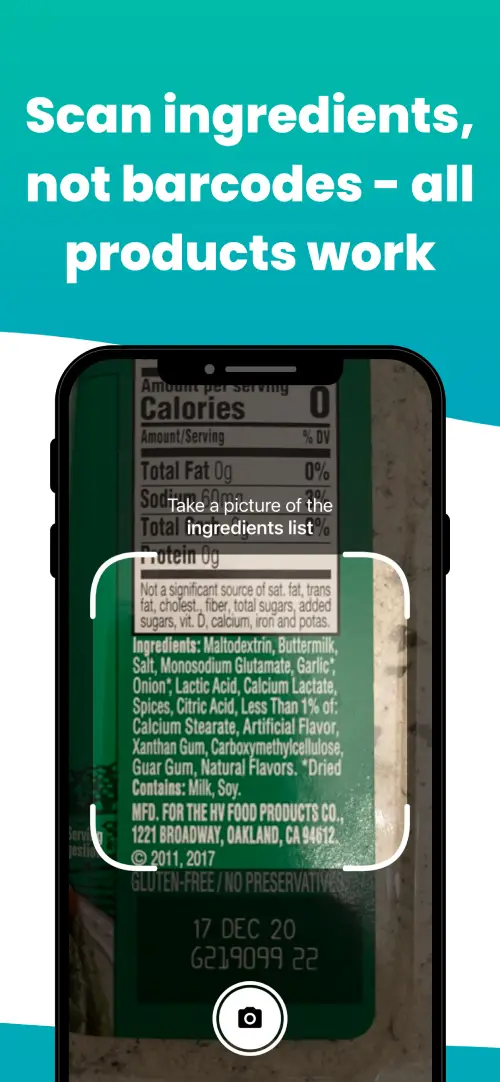
We've built a vegan ingredients scanner that classifies food ingredients as "vegan", "non-vegan", or "potentially vegan".
It allows you to avoid non-vegan ingredients - just take a picture of a product's ingredient list, and the app tells you if the product is vegan or not.



We'll never send you spam.