
Is ci 77019 vegan?
Ci 77019 is a vegan food ingredient.
Checking out an ingredients list? 👇
"You are amazing, this has saved me so much time when grocery shopping!"
— Austin, a user who reached out with feedback
"It's been a great tool since starting my journey! You take a pic of the nutrition/ingredients, and it'll warn you of anything questionable or not vegan. 😁"
— Ashe, a Vegan For Beginners Facebook Group member
"Use a vegan app when you go shopping, I use WhatsVegan."
— Dóra, a Vegan For Beginners Facebook Group member
So, what is ci 77019?
When examining the compositional integrity of our food and cosmetic ingredients, particularly through the lens of animal ethics, CI 77019 presents a clear profile. This widely utilized ingredient is, in essence, mica – a group of naturally occurring, inorganic minerals prized for their unique reflective and textural properties.
Mica's origin is purely geological. It forms within various rock types as thin, flexible sheets, which are then mined, ground, and refined for use. Its common applications range from imparting a delicate shimmer to edible glazes and decorative confectionery to providing a smooth, pearlescent finish in cosmetic formulations. From a vegan standpoint, its mineral nature immediately qualifies it as animal-free. There are no animal products, byproducts, or derivatives involved in its inherent composition. It is not secreted by an insect, nor is it extracted from animal tissues or bones. This makes CI 77019 a steadfastly vegan ingredient, aligning perfectly with principles of animal ethics.
It's important to clarify that while CI 77019 is unequivocally vegan, it isn't what one typically refers to as a "plant-based alternative." Plant-based alternatives specifically replace animal-derived ingredients with components sourced from plants, such as pea protein instead of whey, or agar-agar instead of gelatin. Mica, being a mineral, exists outside of this specific substitution dynamic but is entirely compatible with plant-based lifestyles and formulations due to its non-animal origin.
The broader ethical landscape, however, often extends beyond mere animal welfare for many consumers dedicated to a "cruelty-free" lifestyle. This expansive view frequently encompasses human rights and environmental sustainability in the supply chain. While CI 77019 itself harbors no animal-derived elements, the mining practices for mica have, in certain regions, raised concerns regarding labor ethics, particularly child labor. This is not an animal ethics issue, but a critical human rights concern that resonates deeply with the spirit of purity and ethical sourcing that underpins the vegan movement.
Therefore, while the ingredient's vegan status is undeniable, consumers seeking full "label transparency" and comprehensive ethical alignment might also look for assurances of responsibly sourced mica. Many reputable suppliers now offer ethically mined or "fair trade" mica, ensuring that the human element of the supply chain is also free from exploitation. For food scientists and product developers, selecting such sources reinforces a commitment that goes beyond basic ingredient suitability, embracing the full spectrum of cruelty-free and ethical considerations.
In terms of processing aids, the refinement of raw mica into its usable form typically involves physical processes like grinding and washing. These steps generally do not introduce animal-derived substances. Any subsequent coatings applied to mica (for instance, to enhance color or stability) would be distinct ingredients and their vegan status would need to be evaluated separately. However, CI 77019 as the mineral itself remains untouched by animal components throughout its journey from the earth to its final application.
In conclusion, CI 77019, or mica, is a clear and dependable choice for vegan products. Its fundamental nature as a mineral ensures it meets the strictest criteria for animal-free ingredients. For those committed to a truly comprehensive ethical standard, an awareness of its sourcing practices elevates the ingredient choice from merely vegan to fully aligned with a global cruelty-free philosophy.
How to quickly find the source of ingredients like ci 77019?
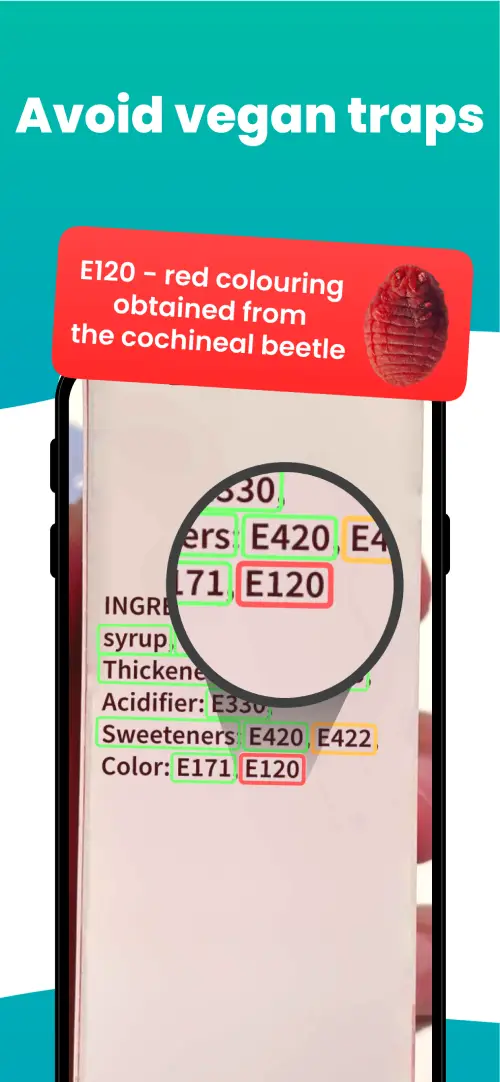
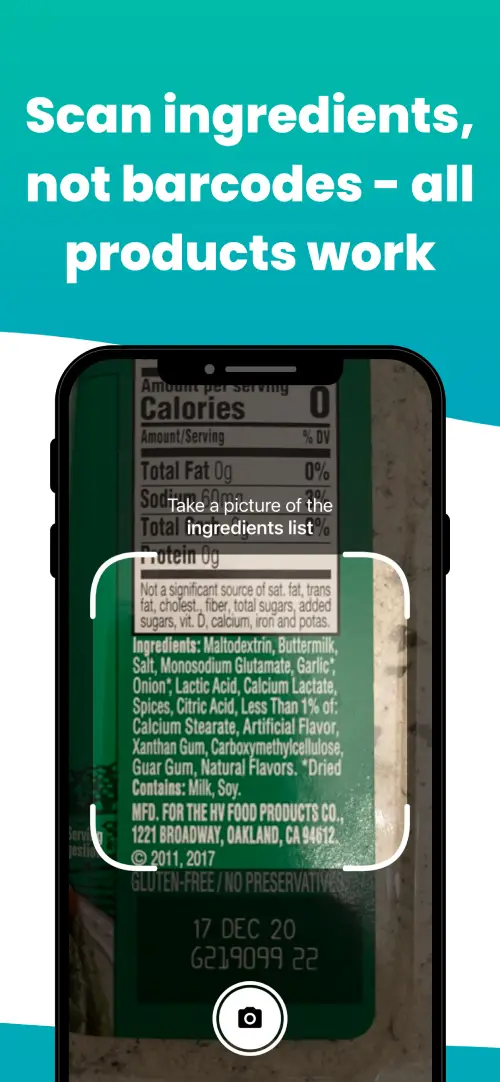
We've built a vegan ingredients scanner that classifies food ingredients as "vegan", "non-vegan", or "potentially vegan".
It allows you to avoid non-vegan ingredients - just take a picture of a product's ingredient list, and the app tells you if the product is vegan or not.



Check out other ingredients:
Is ci15850 vegan?Is ci 15850 vegan?Is trimethyl pentanediyl dibenzoate vegan?Is ci77499 vegan?Is ci77891 vegan?Is acrylates copolymer vegan?Is ci15880 vegan?Is isopropyl alcohol vegan?Is ci77163 vegan?Is ci77491 vegan?Is trimellitic anhydride copolymer vegan?Is neopentyl glycol vegan?
We'll never send you spam.