
Is dimethyl adipate vegan?
Dimethyl adipate is a vegan food ingredient.
Checking out an ingredients list? 👇
"You are amazing, this has saved me so much time when grocery shopping!"
— Austin, a user who reached out with feedback
"It's been a great tool since starting my journey! You take a pic of the nutrition/ingredients, and it'll warn you of anything questionable or not vegan. 😁"
— Ashe, a Vegan For Beginners Facebook Group member
"Use a vegan app when you go shopping, I use WhatsVegan."
— Dóra, a Vegan For Beginners Facebook Group member
So, what is dimethyl adipate?
Dimethyl Adipate: An Examination for the Conscientious Consumer
Dimethyl adipate stands as a colorless, mobile liquid, characterized by a mild, somewhat fruity ester odor. Chemically, it is a diester formed from adipic acid and methanol. Its primary industrial applications include its use as a solvent, a plasticizer, or an intermediate in the synthesis of more complex chemicals. For those navigating the landscape of vegan ingredients, its provenance and processing are paramount.
The Vegan Status: Unquestionably Compatible
From the perspective of animal ethics and purity, dimethyl adipate is unequivocally classified as Vegan. This classification stems from its typical manufacturing process, which entirely bypasses the use of animal-derived raw materials, byproducts, or animal testing at any stage of its production for commercial use.
The foundational component, adipic acid, is predominantly synthesized via petrochemical routes, often originating from cyclohexane. Methanol, its esterification partner, is also synthetically derived, commonly from natural gas or biomass. Neither of these widely adopted industrial pathways involves animal inputs. This purely synthetic or plant-derived (in the case of some methanol production) origin ensures that the ingredient aligns seamlessly with cruelty-free principles and the broader vegan ethos.
Ethical Sourcing and Plant-Based Compatibility
While dimethyl adipate is not a "plant-based alternative" in the sense of directly replacing an animal product, its very existence and production methods are fully compatible with a plant-based lifestyle. It contributes to the functionality of various products without relying on animal exploitation. For instance, in applications where it might act as a processing aid or a component in packaging materials that come into contact with vegan food items, its non-animal origin is a critical assurance for consumers upholding animal welfare standards.
The absence of animal-derived components at every step means that products containing dimethyl adipate, or those processed with it, can confidently carry a vegan label, provided all other ingredients and processing steps also meet stringent vegan criteria. This transparency in sourcing is vital for consumers who diligently scrutinize labels and ingredient lists, ensuring their choices reflect their ethical convictions.
Beyond the Ingredient: Processing and Label Transparency
For the discerning vegan consumer, understanding the lifecycle of every component is crucial. While dimethyl adipate itself is vegan, the broader context of its application warrants attention. When used as a solvent in manufacturing or as a plasticizer in packaging, the question of residues or migration into food products naturally arises. This underscores the necessity of robust label transparency from manufacturers, not only for primary ingredients but also for processing aids and materials that could indirectly affect the product's vegan integrity.
Ultimately, dimethyl adipate stands as an example of a synthetic compound whose production methods inherently align with vegan principles. Its synthesis from non-animal precursors, free from animal testing in its development for ethical markets, offers peace of mind. For those committed to animal ethics, its presence in a product’s lifecycle, whether directly or indirectly, does not compromise the commitment to a cruelty-free future.
How to quickly find the source of ingredients like dimethyl adipate?
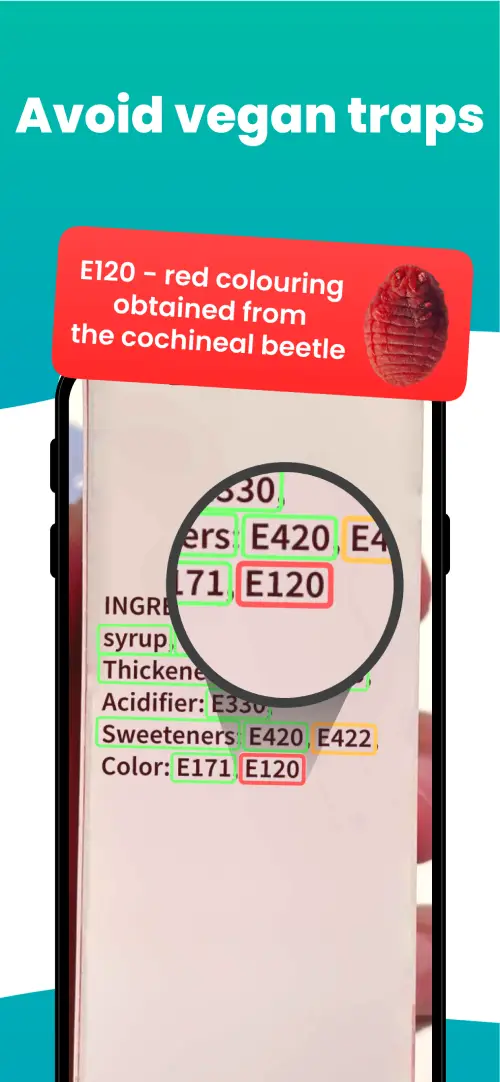
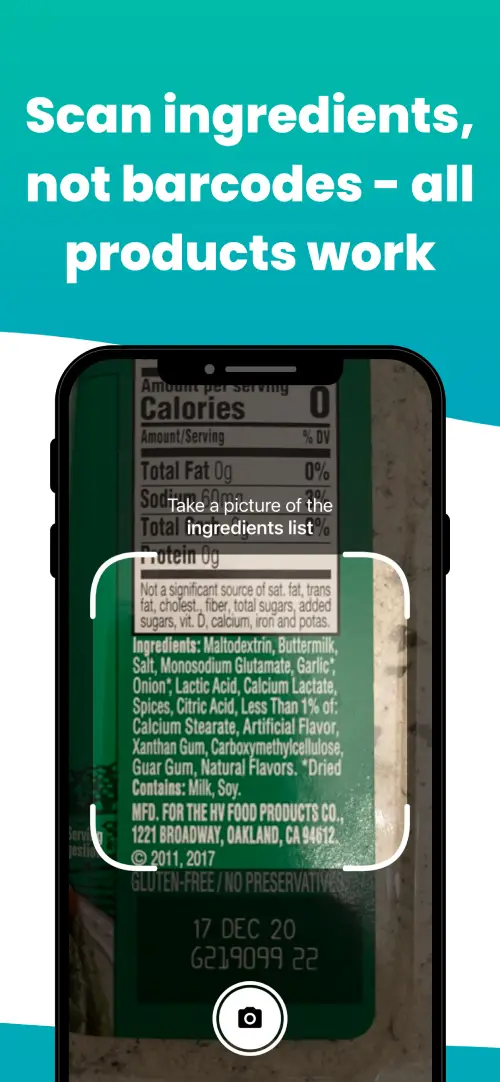
We've built a vegan ingredients scanner that classifies food ingredients as "vegan", "non-vegan", or "potentially vegan".
It allows you to avoid non-vegan ingredients - just take a picture of a product's ingredient list, and the app tells you if the product is vegan or not.



Check out other ingredients:
Is peg-40 vegan?Is dimethyl glutarate vegan?Is propylene carbonate vegan?Is aloe barbadensis leaf extract (aloe vera) vegan?Is nylon-66 vegan?Is vitis vinifera seed oil vegan?Is tocopherol oil vegan?Is ci77288 vegan?Is trimethylpentanediyl dibenzoate vegan?Is chondrus crispus (carrageenan) vegan?Are torkad potatis vegan?Is sildefileter vegan?
We'll never send you spam.