
Is aloe barbadensis leaf extract (aloe vera) vegan?
Aloe barbadensis leaf extract (aloe vera) is a vegan food ingredient.
Checking out an ingredients list? 👇
"You are amazing, this has saved me so much time when grocery shopping!"
— Austin, a user who reached out with feedback
"It's been a great tool since starting my journey! You take a pic of the nutrition/ingredients, and it'll warn you of anything questionable or not vegan. 😁"
— Ashe, a Vegan For Beginners Facebook Group member
"Use a vegan app when you go shopping, I use WhatsVegan."
— Dóra, a Vegan For Beginners Facebook Group member
So, what is aloe barbadensis leaf extract (aloe vera)?
The Unassailable Purity of Aloe Barbadensis Leaf Extract
Aloe barbadensis leaf extract, universally recognized as aloe vera, stands as a quintessential botanical ingredient. Celebrated for its remarkable versatility across dietary supplements, skincare formulations, and even select culinary applications, this plant-derived powerhouse is a frequent topic of inquiry for those dedicated to a vegan lifestyle. From the rigorous perspective of both animal ethics and food science, aloe vera is unequivocally Vegan. Its intrinsic nature as a direct botanical yield offers an unwavering commitment to plant-based principles.
The aloe vera plant, a succulent species characterized by its thick, fleshy leaves, yields a translucent, gelatinous substance from its internal mucilage. It is this pure, unadulterated gel that, after careful processing, becomes the extract found in countless products. The origin of aloe barbadensis leaf extract is purely botanical; there is no animal input, no animal byproducts, and absolutely no animal exploitation involved at its foundational level. The very essence of aloe barbadensis leaf extract is derived solely from the plant itself, making it a pristine example of a naturally occurring plant-based alternative in a marketplace often seeking animal-derived solutions for functional ingredients. This direct extraction from a living plant inherently aligns with the core tenets of cruelty-free consumption, as it requires no animal suffering or depletion of animal resources.
While the aloe plant itself is undeniably vegan, a meticulous approach is always warranted when assessing any processed ingredient. The journey from a whole leaf to a concentrated extract involves several precise steps, and the question of processing aids can occasionally arise for other ingredients. For aloe vera extract, however, the standard methods of cold pressing, filtering, and stabilization are typically free from any animal-derived substances. Our commitment to label transparency becomes paramount here; a truly dedicated vegan product will ensure that every component, including any minor processing aids, maintains a strictly plant-based or synthetic origin. Consumers committed to animal ethics can confidently choose products clearly listing "aloe barbadensis leaf extract," knowing the primary ingredient itself is ethically sound.
Aloe vera's natural soothing, hydrating, and functional properties make it a highly desirable ingredient. Its widespread adoption across diverse industries underscores its status as a vital plant-based alternative that delivers efficacy without compromising ethical values. Unlike certain ingredients that might mimic animal-derived compounds, aloe vera offers its unique biological profile directly from the plant kingdom. This makes it an invaluable asset for formulators creating truly vegan products, from food and beverage items to personal care lines, ensuring robust options that meet the increasing demand for pure, ethically sourced ingredients.
In essence, aloe barbadensis leaf extract represents an ideal ingredient for the vegan community. Its natural origin, direct extraction from a succulent plant, and the typical processing methods employed ensure it remains free from any animal-derived components or ethical concerns related to animal exploitation. It is a genuine gift from the plant world, consistently offering a naturally cruelty-free and ethically sound option. For those prioritizing purity and adherence to a vegan lifestyle, aloe vera stands as a reliable and celebrated choice, embodying the very spirit of plant-based innovation and respect for all living beings.
How to quickly find the source of ingredients like aloe barbadensis leaf extract (aloe vera)?
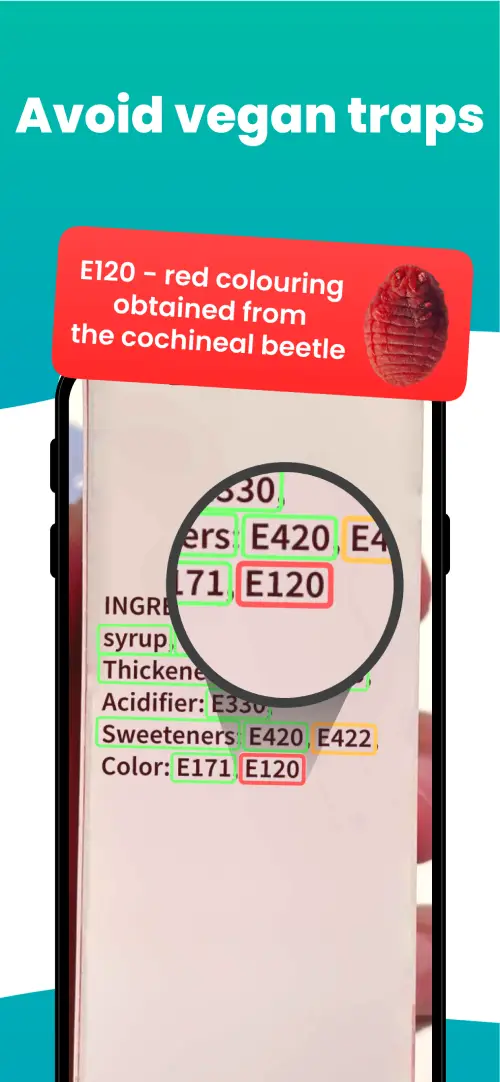
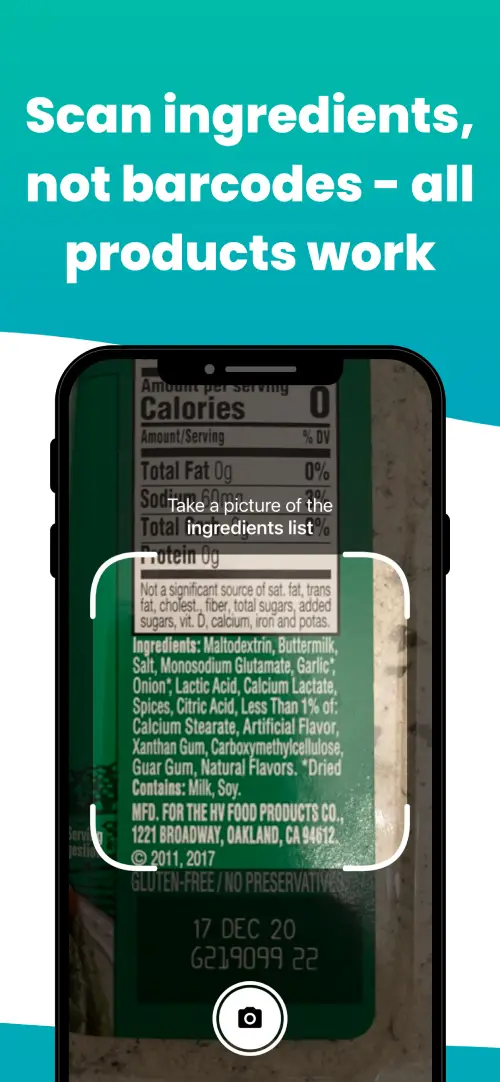
We've built a vegan ingredients scanner that classifies food ingredients as "vegan", "non-vegan", or "potentially vegan".
It allows you to avoid non-vegan ingredients - just take a picture of a product's ingredient list, and the app tells you if the product is vegan or not.



Check out other ingredients:
Is matricaria chamomilla flower water vegan?Is peg-40 vegan?Is simmondsia chinensis seed oil vegan?Is dimethyl adipate vegan?Is etocrylene vegan?Is trimethylpentanediyl dibenzoate vegan?Is propylene carbonate vegan?Is nylon-66 vegan?Is polyvinyl alcohol copolymer vegan?Are rooibos vegan?Is a semolina vegan?Is fibres d'agave vegan?
We'll never send you spam.