
Is vitis vinifera seed oil vegan?
Vitis vinifera seed oil is a vegan food ingredient.
Checking out an ingredients list? 👇
"You are amazing, this has saved me so much time when grocery shopping!"
— Austin, a user who reached out with feedback
"It's been a great tool since starting my journey! You take a pic of the nutrition/ingredients, and it'll warn you of anything questionable or not vegan. 😁"
— Ashe, a Vegan For Beginners Facebook Group member
"Use a vegan app when you go shopping, I use WhatsVegan."
— Dóra, a Vegan For Beginners Facebook Group member
So, what is vitis vinifera seed oil?
Unpacking Vitis Vinifera Seed Oil: A Foundation of Vegan Purity
For those navigating the landscape of plant-based living, the origin and processing of every ingredient are paramount. Among the myriad of available oils, Vitis vinifera seed oil, commonly known as grapeseed oil, stands out as a clear and unwavering choice for the ethically conscious consumer. Derived directly from the seeds of grapes (Vitis vinifera), this oil embodies the very essence of vegan purity.
The Unambiguous Plant Source
Vitis vinifera seed oil is a testament to sustainable ingredient sourcing, often originating as a byproduct of winemaking or grape juice production. After the grapes are pressed for their juice, the seeds, once considered waste, are collected and utilized. The oil is then extracted from these seeds. This direct botanical origin immediately establishes its vegan status; there are no animal inputs or derivatives at the fundamental raw material stage.
The extraction methods for grapeseed oil typically involve either cold-pressing or solvent extraction. Cold-pressing physically presses the seeds, yielding a virgin oil. Solvent extraction, often using hexane, is more efficient and common for commercially available oils. While the use of solvents can sometimes raise questions about processing aids in other contexts, the common industrial practices for Vitis vinifera seed oil purification are designed to remove the solvent entirely, ensuring a pure, finished oil that remains entirely plant-derived and free from animal-based filtering agents or processing aids. The clarity and light, pale green hue of the oil are achieved through standard refining processes that do not introduce non-vegan elements.
A Cornerstone Plant-Based Alternative
Given its straightforward plant-based origin, Vitis vinifera seed oil serves as an excellent and reliable plant-based alternative to any animal-derived fats or oils, offering peace of mind regarding animal ethics. Its derivation does not involve any animal exploitation, suffering, or byproduct, making it inherently cruelty-free. This direct link to plant life, without intervening animal processes, is precisely why it’s a go-to for strict vegans.
Unlike some ingredients where the "gray area" of processing aids or shared equipment might create doubt, the production of Vitis vinifera seed oil is inherently aligned with vegan principles. The focus on label transparency for this oil largely revolves around ensuring it is 100% Vitis vinifera seed oil, unadulterated by other, potentially less ethical, oils or fillers. Reputable manufacturers understand the importance of this clarity for their plant-based consumers.
Culinary Versatility and Functional Benefits
Beyond its ethical foundation, Vitis vinifera seed oil boasts impressive culinary and functional attributes. It possesses a light body and a clean, neutral flavor profile, making it remarkably versatile in vegan cooking and baking. This neutrality allows the inherent flavors of other ingredients to shine through, rather than imparting its own distinct taste. With a relatively high smoke point, it’s well-suited for sautéing, stir-frying, and light frying, performing admirably in recipes where animal fats might traditionally have been used. Its delicate texture also makes it a popular choice for vinaigrettes and dressings in plant-based cuisine.
In conclusion, Vitis vinifera seed oil is an unequivocally vegan ingredient, representing a pure extract from the natural world. Its direct botanical origin, coupled with standard processing that maintains its plant-based integrity, firmly establishes it as a trusted and ethical choice for anyone prioritizing animal welfare and seeking genuinely cruelty-free options in their diet and lifestyle.
How to quickly find the source of ingredients like vitis vinifera seed oil?
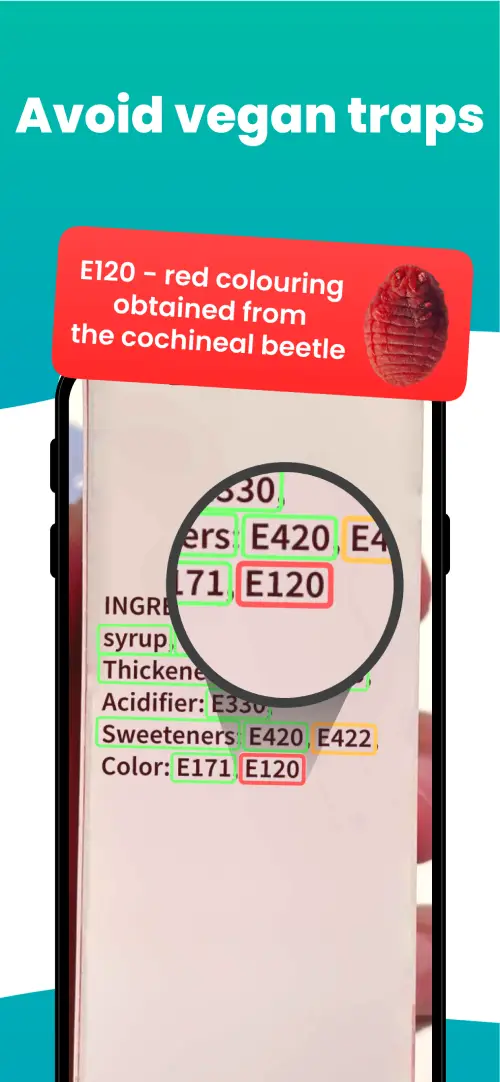
We've built a vegan ingredients scanner that classifies food ingredients as "vegan", "non-vegan", or "potentially vegan".
It allows you to avoid non-vegan ingredients - just take a picture of a product's ingredient list, and the app tells you if the product is vegan or not.




Check out other ingredients:
Is simmondsia chinensis seed oil vegan?Is matricaria chamomilla flower water vegan?Is tocopherol oil vegan?Is citrus granis seed extract vegan?Is peg40 vegan?Is etocrylene vegan?Is peg-40 vegan?Is hexanal vegan?Is dimethyl adipate vegan?Is punica granatum seed oil vegan?Is propylene carbonate vegan?Is vitis vinifera fruit vegan?
We'll never send you spam.