
Is propylene carbonate vegan?
Propylene carbonate is a vegan food ingredient.
Checking out an ingredients list? 👇
"You are amazing, this has saved me so much time when grocery shopping!"
— Austin, a user who reached out with feedback
"It's been a great tool since starting my journey! You take a pic of the nutrition/ingredients, and it'll warn you of anything questionable or not vegan. 😁"
— Ashe, a Vegan For Beginners Facebook Group member
"Use a vegan app when you go shopping, I use WhatsVegan."
— Dóra, a Vegan For Beginners Facebook Group member
So, what is propylene carbonate?
Propylene Carbonate: An Essential Solvent in Vegan Formulations
Propylene carbonate stands as a fascinating compound within the realm of specialty chemicals, often appearing as a clear, odorless, and somewhat viscous liquid. Its primary utility stems from its remarkable properties as a polar aprotic solvent, meaning it readily dissolves a wide range of substances without donating protons, making it invaluable across various industries. For those committed to animal ethics and ingredient purity, understanding its provenance is crucial.
The Vegan Status of Propylene Carbonate
Propylene carbonate is unequivocally vegan. Its production is entirely synthetic, relying on chemical reactions between industrially sourced precursors rather than any biological or animal-derived components. The core ingredients for its synthesis are propylene oxide and carbon dioxide. Propylene oxide is typically generated from petroleum or natural gas derivatives, while carbon dioxide is an abundant gas, often captured from industrial processes or derived from natural sources. Neither of these starting materials involves animals, animal byproducts, or processes that exploit animals.
From an animal ethics standpoint, this synthetic origin ensures that propylene carbonate aligns perfectly with vegan principles. There is no involvement of animal testing in its creation, and its manufacture does not contribute to the demand for animal agriculture or its associated environmental impact. It is not an ingredient that requires a plant-based alternative, as it is inherently free from animal involvement from its inception. Unlike ingredients that might exist in both animal and plant-derived forms (like glycerin), propylene carbonate's singular, synthetic pathway removes any ambiguity for the conscientious consumer.
Applications and Ethical Considerations
While not typically a direct food additive in the same vein as a thickener or emulsifier, propylene carbonate finds significant application in many products that are consumed or used by vegans. It's widely employed as a solvent in personal care items such as cosmetics, fragrances, and nail polish removers, where its efficacy in dissolving active ingredients and creating stable formulations is highly valued. It also appears in certain pharmaceutical formulations and industrial applications.
When we consider its role in the broader context of vegan and cruelty-free products, propylene carbonate stands out as a reliable component. Its use often facilitates the incorporation of other plant-based alternatives within a formula, acting as a crucial processing aid for ingredients that might otherwise be difficult to integrate. For instance, a fragrance blend designed to be cruelty-free and free of animal musks might rely on propylene carbonate to uniformly disperse its plant-derived aromatic compounds.
Label Transparency and Informed Choices
For vegan consumers, label transparency remains paramount. While propylene carbonate itself poses no ethical concerns, its presence underscores the importance of scrutinizing a product's entire ingredient list and manufacturer's commitments. A product containing propylene carbonate might be marketed as "cruelty-free" due to the absence of animal testing, and its vegan status is reinforced by the synthetic nature of this particular solvent.
Ultimately, propylene carbonate is a testament to the fact that not all ingredients need to be plant-derived to be vegan. Its consistent synthetic origin provides a clear path for brands to formulate products that adhere to strict animal ethics and purity standards, offering peace of mind to the growing number of individuals dedicated to a vegan lifestyle.
How to quickly find the source of ingredients like propylene carbonate?
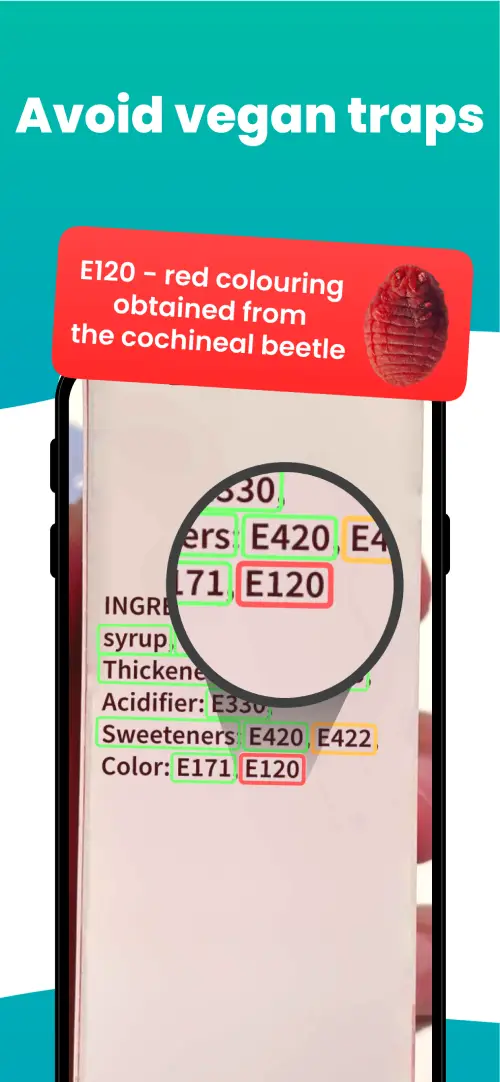
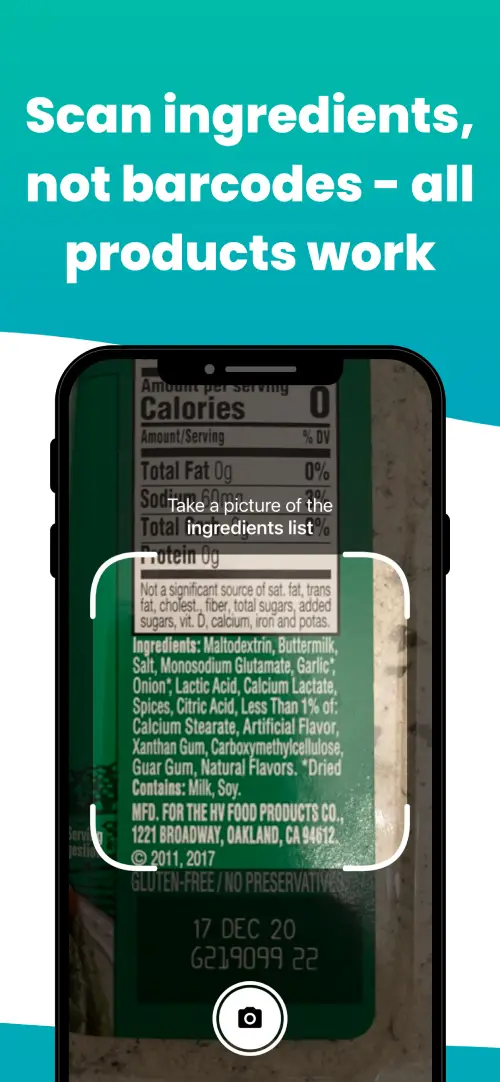
We've built a vegan ingredients scanner that classifies food ingredients as "vegan", "non-vegan", or "potentially vegan".
It allows you to avoid non-vegan ingredients - just take a picture of a product's ingredient list, and the app tells you if the product is vegan or not.



Check out other ingredients:
Is nylon-66 vegan?Is dimethyl adipate vegan?Is triethanolamine (tea) vegan?Is polyvinyl alcohol copolymer vegan?Is peg40 vegan?Is aloe barbadensis leaf extract (aloe vera) vegan?Is ci778161 vegan?Is matricaria chamomilla flower water vegan?Is ci 778161 vegan?Is vitis vinifera seed oil vegan?Is chondrus crispus (carrageenan) vegan?Is simmondsia chinensis seed oil vegan?
We'll never send you spam.