
Is e630 vegan?
E630 is potentially vegan - it can be derived from plants or animals. You should ask the manufacturer for more details.
Checking out an ingredients list? 👇
Vegan Ingredient Checker
Scan labels, check if ingredients are vegan
"You are amazing, this has saved me so much time when grocery shopping!"
— Austin, a user who reached out with feedback
"It's been a great tool since starting my journey! You take a pic of the nutrition/ingredients, and it'll warn you of anything questionable or not vegan. 😁"
— Ashe, a Vegan For Beginners Facebook Group member
"Use a vegan app when you go shopping, I use WhatsVegan."
— Dóra, a Vegan For Beginners Facebook Group member


Learn more
"You are amazing, this has saved me so much time when grocery shopping!"
— Austin, a user who reached out with feedback
"It's been a great tool since starting my journey! You take a pic of the nutrition/ingredients, and it'll warn you of anything questionable or not vegan. 😁"
— Ashe, a Vegan For Beginners Facebook Group member
"Use a vegan app when you go shopping, I use WhatsVegan."
— Dóra, a Vegan For Beginners Facebook Group member
So, what is e630?
E630 is the food additive code for inosinic acid, a naturally occurring acid used primarily as a flavor enhancer. It can be produced commercially through the bacterial fermentation of plant carbohydrates like sugar cane, or it can be extracted from animal tissues, such as meat extracts or fish like sardines. Inosinic acid is commonly added to savory processed foods, including instant noodles, snack seasonings, chips, commercial broths, and canned soups to provide an umami taste.
This ingredient is considered possibly vegan because its status depends entirely on the manufacturing source. When obtained through microbial fermentation of plant-based sugars, it is suitable for vegans. Conversely, when sourced from animal flesh or seafood, it is not vegan. Food labels typically do not state the origin of the additive, making it impossible to verify from the packaging alone. Checking for a certified vegan label on the product or contacting the manufacturer directly is required to confirm whether a specific brand uses plant-derived inosinic acid.
How to quickly find the source of ingredients like e630?
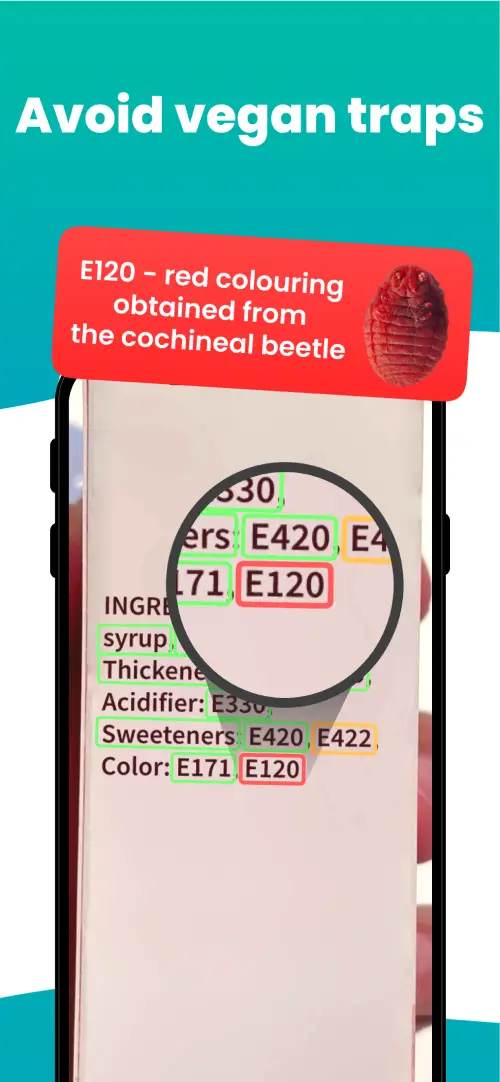
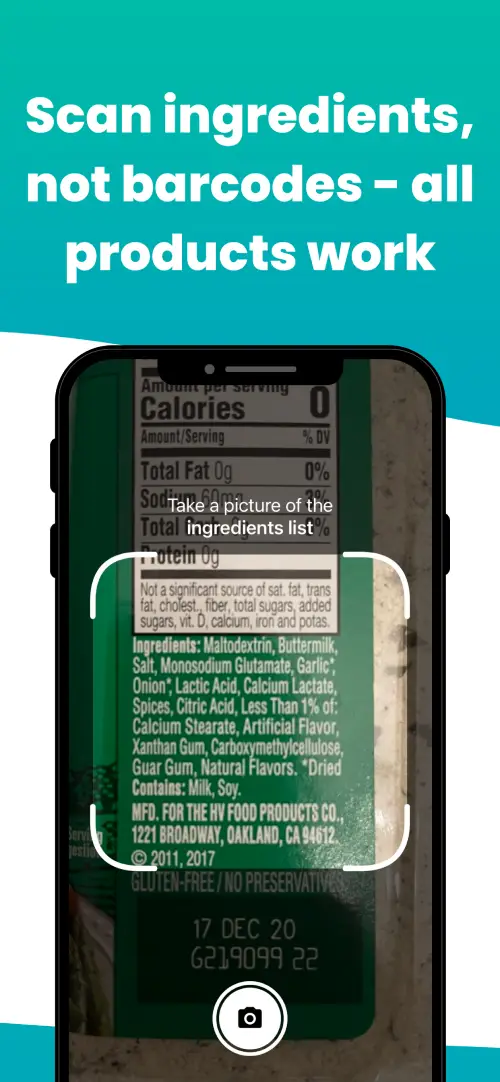
We've built a vegan ingredients scanner that classifies food ingredients as "vegan", "non-vegan", or "potentially vegan".
It allows you to avoid non-vegan ingredients - just take a picture of a product's ingredient list, and the app tells you if the product is vegan or not.

We'll never send you spam.