
Is heavy whipping cream vegan?
Heavy whipping cream is a non-vegan food ingredient.
Checking out an ingredients list? 👇
"You are amazing, this has saved me so much time when grocery shopping!"
— Austin, a user who reached out with feedback
"It's been a great tool since starting my journey! You take a pic of the nutrition/ingredients, and it'll warn you of anything questionable or not vegan. 😁"
— Ashe, a Vegan For Beginners Facebook Group member
"Use a vegan app when you go shopping, I use WhatsVegan."
— Dóra, a Vegan For Beginners Facebook Group member
So, what is heavy whipping cream?
Heavy whipping cream is a cornerstone ingredient in a vast array of culinary applications, cherished for its luxurious fat content, which typically hovers between 36% and 40%. This richness is what grants it the unique ability to emulsify, lend body to sauces, and, most notably, whip into airy, stable peaks for decadent desserts, pastries, and beverages. Its unparalleled texture and versatility have made it a go-to for chefs and home cooks seeking to add a creamy, indulgent quality to their dishes.
From the perspective of animal ethics and pure ingredient sourcing, heavy whipping cream is definitively not vegan. Its composition is entirely derived from animal agriculture, specifically as the high-fat portion extracted from cow's milk. This direct animal origin immediately places it outside the parameters of a vegan diet, which fundamentally seeks to exclude all products that involve the exploitation or suffering of animals.
The production of dairy, including the collection of milk for heavy whipping cream, is inextricably linked to systems that raise significant ethical concerns. Dairy cows are routinely subjected to artificial insemination to maintain a continuous cycle of lactation. Their calves are typically removed from them shortly after birth—often within hours or days—to ensure that the milk produced is diverted for human consumption rather than natural nursing. This separation is a profound ethical issue for vegans, representing a severe disruption of the natural maternal bond. Furthermore, male calves are often funneled into the veal industry, while female calves are destined to become dairy cows themselves, perpetuating a system that many view as exploitative. When a cow's milk production declines, typically after a few years, she is considered "spent" and often sent to slaughter. For those committed to cruelty-free living, the consumption of any dairy product, including heavy whipping cream, is a direct endorsement of these practices, violating the core principle of minimizing harm to sentient beings. The concept of "purity" in veganism extends to ensuring ingredients are sourced without animal involvement or exploitation.
Fortunately, the demand for ethical alternatives has spurred significant innovation, leading to a robust market of plant-based alternatives that skillfully mimic the texture and functionality of traditional heavy whipping cream. These options are crafted from a diverse range of botanical sources, including full-fat coconut milk or cream, cashews, almonds, soy, oats, and pea protein. Manufacturers employ precise formulation to achieve the desired richness, stability, and whip-ability. For instance, coconut cream provides a naturally thick base, while various plant milks are blended with natural fats or starches to create emulsions that can be whipped or used as direct creamy substitutes in both sweet and savory recipes.
When exploring these cruelty-free alternatives, label transparency is always crucial. While the primary issue with traditional heavy whipping cream is its overt animal origin, consumers seeking plant-based options should still carefully review ingredient lists. This ensures that the chosen product aligns with all personal ethical standards, free from any unexpected additives or processing aids that might not be suitable. Reputable brands committed to vegan principles clearly state their product's status and often provide details on the sourcing of their plant-based components, empowering consumers to make informed, compassionate choices without sacrificing culinary enjoyment.
How to quickly find the source of ingredients like heavy whipping cream?
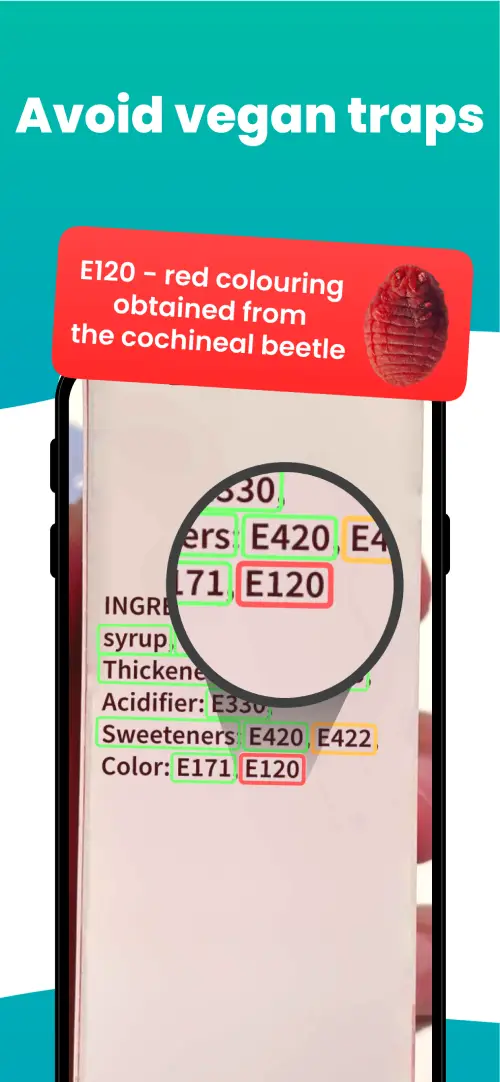
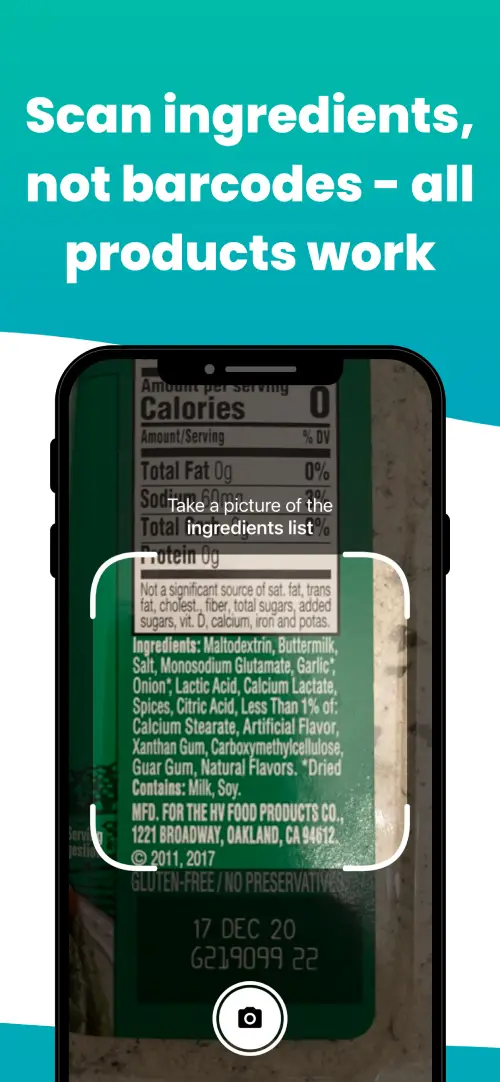
We've built a vegan ingredients scanner that classifies food ingredients as "vegan", "non-vegan", or "potentially vegan".
It allows you to avoid non-vegan ingredients - just take a picture of a product's ingredient list, and the app tells you if the product is vegan or not.



Check out other ingredients:
Is scrambled egg sandwich vegan?Are egg noodles vegan?Are spinach egg noodles vegan?Is egg bread vegan?Is bread egg vegan?Is egg benedict vegan?Is dried egg vegan?Are egg fast foods vegan?Is dried egg yolk vegan?Is egg roll meatless vegan?Is egg scrambled vegan?Is egg mcmuffin vegan?
We'll never send you spam.