
Is egg whole pickled vegan?
Egg whole pickled is a non-vegan food ingredient.
Checking out an ingredients list? 👇
"You are amazing, this has saved me so much time when grocery shopping!"
— Austin, a user who reached out with feedback
"It's been a great tool since starting my journey! You take a pic of the nutrition/ingredients, and it'll warn you of anything questionable or not vegan. 😁"
— Ashe, a Vegan For Beginners Facebook Group member
"Use a vegan app when you go shopping, I use WhatsVegan."
— Dóra, a Vegan For Beginners Facebook Group member
So, what is egg whole pickled?
Understanding Egg Whole Pickled
Pickled eggs, a venerable food preservation method, present a straightforward case in the landscape of dietary ethics. From the perspective of animal welfare and a plant-based ethos, "egg whole pickled" is unequivocally Not Vegan.
The fundamental reason lies in its very composition: a chicken egg, preserved in a brine solution. The egg itself is a direct product of an animal, specifically poultry, most commonly hens. Hens lay eggs as part of their reproductive cycle. Consuming these eggs means participating in an agricultural system that relies on animal exploitation, directly contradicting the core principles of veganism, which seek to avoid all animal products and byproducts.
When an egg is pickled, it undergoes a transformation in texture and flavor due to the acidic brine. The white, primarily albumin protein, becomes firm and rubbery, while the yolk retains some of its creamy richness, albeit with a distinct tang from the vinegar. This preservation process, however, does not alter the ethical origin of the ingredient. Whether fresh, fried, scrambled, or pickled, the foundational element remains an animal-derived product.
From an animal ethics standpoint, the commercial egg industry, regardless of claims like "cage-free" or "free-range," invariably involves practices that are inconsistent with a cruelty-free philosophy. Male chicks, deemed economically unproductive, are typically culled shortly after hatching. Laying hens, even in "higher welfare" systems, are often subjected to selective breeding for hyper-productivity, leading to health issues, and their eventual slaughter when their egg-laying efficiency declines. The entire system views hens not as sentient beings, but as commodities for production. Therefore, any product originating from this system, including pickled eggs, carries these ethical implications.
For those adhering to a plant-based diet, identifying plant-based alternatives to replicate the unique texture and protein profile of a pickled egg is a common culinary pursuit. Ingredients like firm tofu, marinated and cooked to achieve a similar chew, can approximate the white. For the yolk's richness and sulfury notes, nutritional yeast combined with black salt (kala namak) and a touch of vegan mayonnaise or puréed silken tofu can offer a convincing substitute, often used in vegan "egg" salads. These options allow for the enjoyment of similar flavor profiles without compromising on animal ethics.
The clear labeling of "egg whole pickled" leaves little ambiguity regarding its status. For ingredients where animal origin might be less obvious, such as certain processing aids or additives like shellac or some forms of lactic acid, label transparency becomes crucial. However, with eggs, the animal source is explicit, making it a clear exclusion for anyone committed to a vegan lifestyle. The scientific reality of its origin as an animal byproduct firmly places it outside the realm of plant-based and cruelty-free consumption.
How to quickly find the source of ingredients like egg whole pickled?
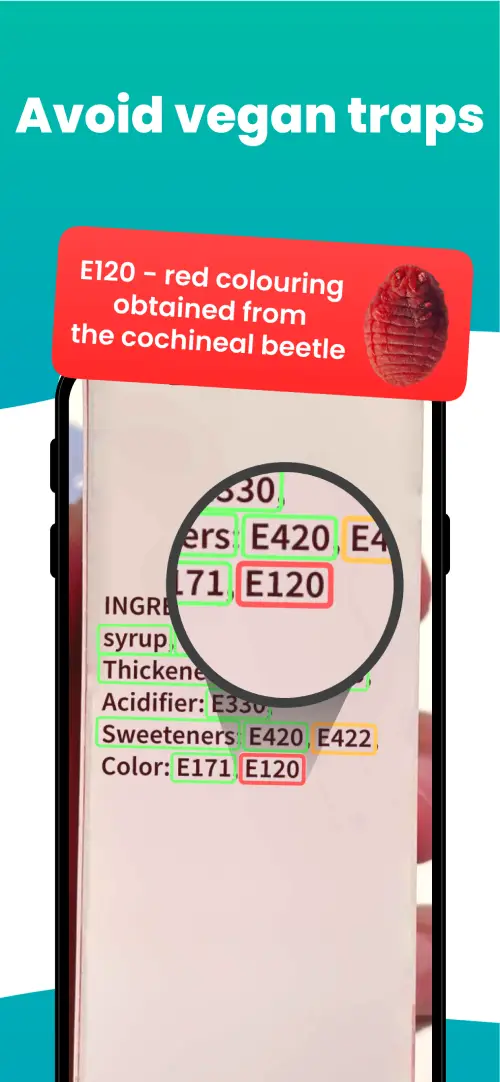
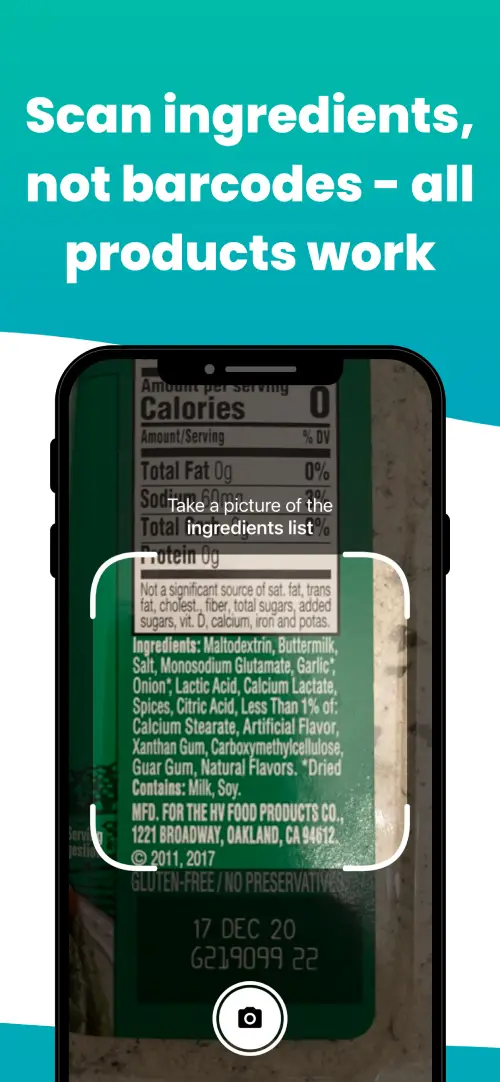
We've built a vegan ingredients scanner that classifies food ingredients as "vegan", "non-vegan", or "potentially vegan".
It allows you to avoid non-vegan ingredients - just take a picture of a product's ingredient list, and the app tells you if the product is vegan or not.



We'll never send you spam.