
Is fd&c red color 40 vegan?
Fd&c red color 40 is a vegan food ingredient.
Checking out an ingredients list? 👇
"You are amazing, this has saved me so much time when grocery shopping!"
— Austin, a user who reached out with feedback
"It's been a great tool since starting my journey! You take a pic of the nutrition/ingredients, and it'll warn you of anything questionable or not vegan. 😁"
— Ashe, a Vegan For Beginners Facebook Group member
"Use a vegan app when you go shopping, I use WhatsVegan."
— Dóra, a Vegan For Beginners Facebook Group member
So, what is fd&c red color 40?
Exploring FD&C Red Color 40: A Vegan Food Scientist's Perspective
The vibrant world of food colors often presents a labyrinth for the ethically conscious consumer, especially those committed to a vegan lifestyle. Among the myriad of hues that enhance our culinary experiences, FD&C Red Color 40 stands out as a pervasive and frequently questioned ingredient. From a food science and animal ethics standpoint, understanding its origins is paramount for informed dietary choices.
FD&C Red Color 40, chemically known as Allura Red AC, is a synthetic azo dye. Unlike many natural colorants that derive their pigments from plants, minerals, or even insects, Red 40 is synthesized from petroleum distillates. This distinct chemical origin is the cornerstone of its vegan status. Its manufacturing process does not rely on any animal products or byproducts, ensuring that no animals are exploited or harmed in its creation. This positions it as a truly cruelty-free coloring agent in terms of its composition.
For those adhering strictly to a plant-based diet, the inclusion of Red 40 is generally considered acceptable. It is not an alternative derived from plants in the same way beet extract or tomato lycopene might be, but rather a synthetic option that deliberately avoids animal sources. This makes it a common choice for manufacturers formulating various plant-based alternatives, from dairy-free yogurts to meat substitutes and vegan candies, providing consistent and stable red hues that might be challenging to achieve with natural vegan options. Its stability to heat and light also makes it highly desirable for processed foods.
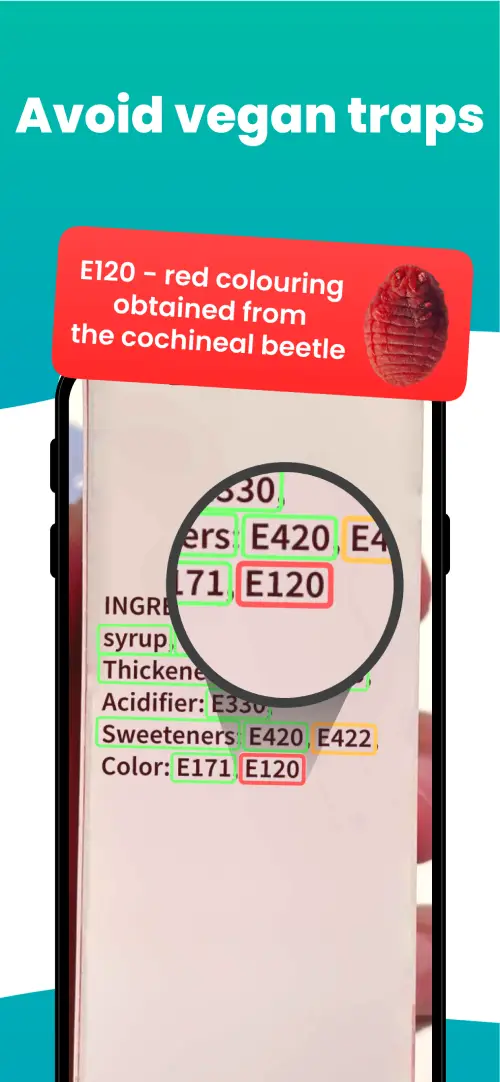
The distinction between synthetic colors like Red 40 and certain natural red pigments is crucial for label transparency. Consumers often encounter other red colorants such as carmine or cochineal extract, which are direct derivatives from the cochineal insect. These are unequivocally not vegan. Red 40, by contrast, offers a clear and unambiguous ingredient, freeing consumers from the concerns associated with insect-derived or other potentially non-vegan sources.
When evaluating finished products, it's essential to remember that while FD&C Red Color 40 itself is vegan, its presence does not automatically render the entire product vegan. The surrounding ingredients, including other additives, processing aids, or flavorings, must also be scrutinized. However, for the colorant itself, its synthetic nature provides reassurance. From an ethical standpoint, its use offers a means to achieve desired aesthetics in food without contributing to animal agriculture or exploitation, aligning perfectly with the core principles of veganism.
How to quickly find the source of ingredients like fd&c red color 40?
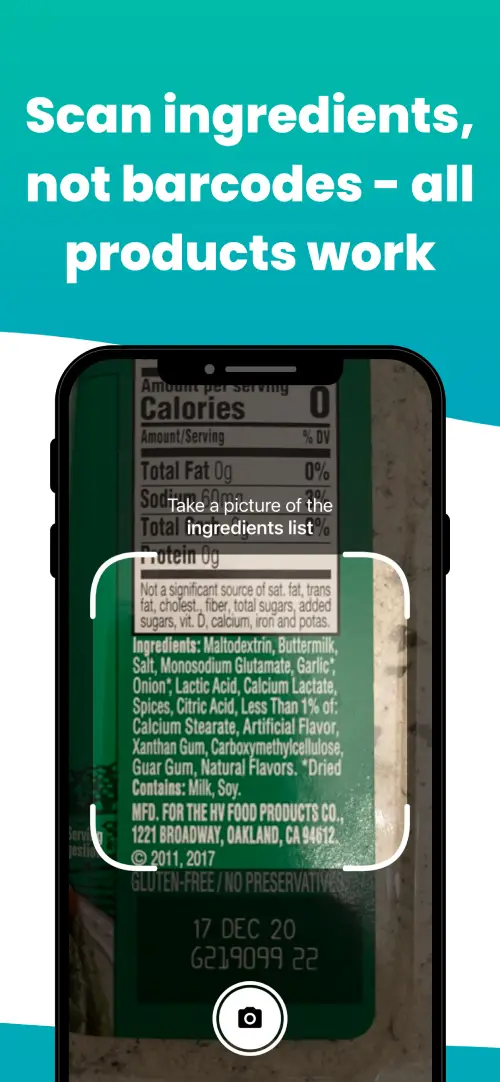
We've built a vegan ingredients scanner that classifies food ingredients as "vegan", "non-vegan", or "potentially vegan".
It allows you to avoid non-vegan ingredients - just take a picture of a product's ingredient list, and the app tells you if the product is vegan or not.



We'll never send you spam.