
Is fd&c red 33 vegan?
Fd&c red 33 is a vegan food ingredient.
Checking out an ingredients list? 👇
"You are amazing, this has saved me so much time when grocery shopping!"
— Austin, a user who reached out with feedback
"It's been a great tool since starting my journey! You take a pic of the nutrition/ingredients, and it'll warn you of anything questionable or not vegan. 😁"
— Ashe, a Vegan For Beginners Facebook Group member
"Use a vegan app when you go shopping, I use WhatsVegan."
— Dóra, a Vegan For Beginners Facebook Group member
So, what is fd&c red 33?
Understanding FD&C Red 33 in a Vegan Kitchen
In the intricate world of food science and ethical eating, discerning the origins of every ingredient is paramount for the vegan community. Among the spectrum of color additives, FD&C Red 33 often surfaces as a point of inquiry. We can confidently categorize FD&C Red 33 as Vegan, making it a suitable choice for those adhering to a plant-based lifestyle, free from animal products or byproducts.
The Composition and Cruelty-Free Nature of Red 33
FD&C Red 33, also known as Disodium 5-hydroxy-4-(4-sulfonatophenylazo)-2-naphthalenesulfonate, is a synthetic coal tar dye. Unlike many historically significant red colorants derived from natural sources – like carmine, which originates from the cochineal insect – Red 33 is entirely synthesized through chemical processes. Its creation does not involve any animal derivatives, nor are animal products used as processing aids in its manufacture. This purely chemical synthesis ensures its direct composition aligns with strict vegan principles. The vivid, purplish-red hue it imparts is achieved without any exploitation or harm to animals, aligning with the core tenets of animal ethics.
Why Red 33 is Found in Plant-Based Products
Given its synthetic, non-animal origin, FD&C Red 33 is a frequent choice for manufacturers looking to impart a stable, consistent red shade to a wide array of food, cosmetic, and pharmaceutical products. This includes numerous items marketed directly to the plant-based consumer. Its stability across varying pH levels and resistance to heat and light make it a reliable option where other natural, plant-based alternatives might degrade or shift in color. For instance, beet red (betanin) offers a beautiful natural red but can be more sensitive to heat and acidity, while tomato-derived lycopene often leans towards an orange-red. The specific properties of Red 33 thus position it as a functional, vegan-compliant colorant for foods where a durable red is desired.
Navigating the Landscape of Red Colorants and Label Transparency
For the discerning vegan, understanding the spectrum of red colorants is crucial. While FD&C Red 33 is undeniably vegan in its composition, other red dyes require careful scrutiny. Carmine (also listed as cochineal extract or E120) is a well-known non-vegan red, derived directly from insects. Similarly, some natural colorants might involve animal-derived processing aids or carriers, even if the primary color source is plant-based.
This highlights the critical importance of label transparency. While FD&C Red 33 itself poses no ethical concerns from an ingredient perspective, a commitment to a truly cruelty-free product goes beyond just the final ingredient list. It extends to understanding a brand's overall testing policies and supply chain. However, focusing solely on the ingredient at hand, Red 33 stands firm as a technically vegan option, offering a viable alternative to animal-derived red pigments.
The ongoing demand for vegan products continues to drive innovation, pushing for more plant-based alternatives across all ingredient categories, including colorants. As consumers, our informed choices guide this evolution, encouraging greater clarity and ethical consideration in every product we choose.
How to quickly find the source of ingredients like fd&c red 33?
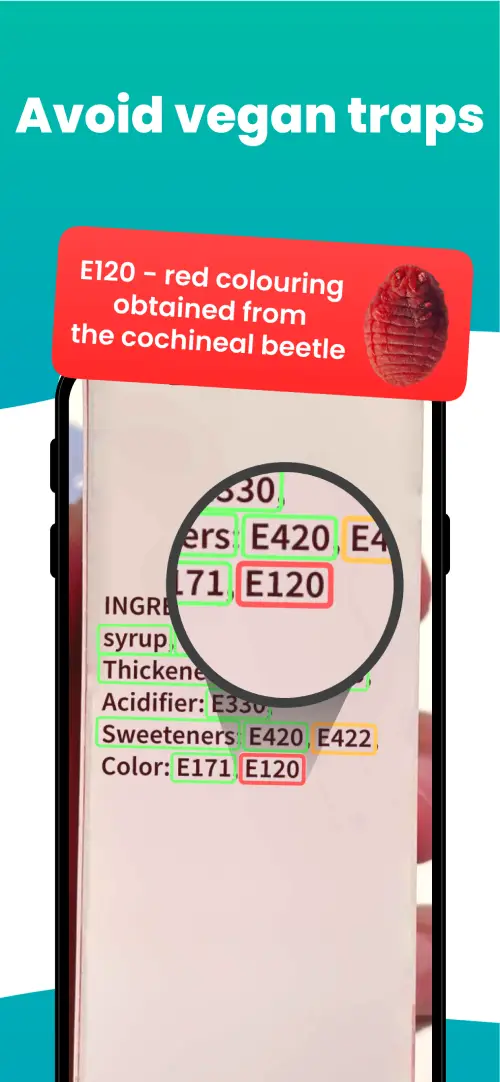
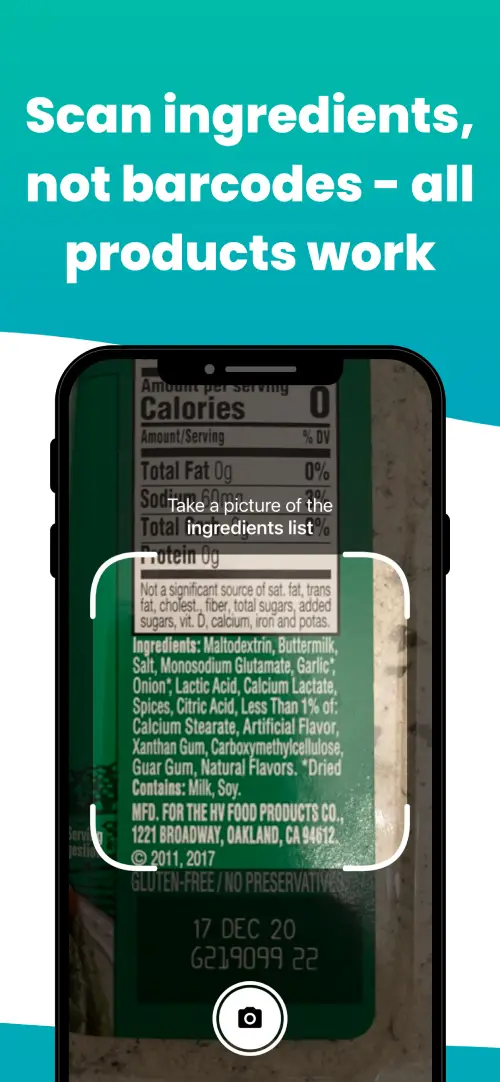
We've built a vegan ingredients scanner that classifies food ingredients as "vegan", "non-vegan", or "potentially vegan".
It allows you to avoid non-vegan ingredients - just take a picture of a product's ingredient list, and the app tells you if the product is vegan or not.



Check out other ingredients:
Is fd&c red 7 vegan?Is fd&c red 27 vegan?Is fdc red 33 vegan?Is fdc red 7 vegan?Is red 27 vegan?Is red 7 vegan?Is acid-hydrolyzed vegetable protein vegan?Is fd&c red 40 vegan?Is red fife flour vegan?Is fd&c red color 40 vegan?Is red fife vegan?Is fd&c red color no. 40 vegan?
We'll never send you spam.