
Is corn glucose vegan?
Corn glucose is a vegan food ingredient.
Checking out an ingredients list? 👇
"You are amazing, this has saved me so much time when grocery shopping!"
— Austin, a user who reached out with feedback
"It's been a great tool since starting my journey! You take a pic of the nutrition/ingredients, and it'll warn you of anything questionable or not vegan. 😁"
— Ashe, a Vegan For Beginners Facebook Group member
"Use a vegan app when you go shopping, I use WhatsVegan."
— Dóra, a Vegan For Beginners Facebook Group member
So, what is corn glucose?
Understanding Corn Glucose: A Plant-Derived Staple
Corn glucose, a ubiquitous ingredient in modern food systems, often prompts inquiry from those navigating the landscape of ethical consumption. Derived entirely from corn starch, this carbohydrate falls squarely into the realm of vegan ingredients, offering a reliable, plant-based alternative to other sweeteners and functional components whose origins might be ambiguous.
At its core, corn glucose is a saccharide obtained through the enzymatic hydrolysis of corn starch. This process breaks down complex starch molecules into simpler sugars, predominantly dextrose, along with longer chain polysaccharides. The result is a viscous syrup, varying in sweetness and functional properties depending on its dextrose equivalent (DE) value. Unlike cane sugar, which can sometimes be processed using bone char for decolorization, the production of corn glucose relies on enzymatic conversion and physical filtration, entirely bypassing animal-derived processing aids. This inherent purity from an animal ethics perspective makes it a cornerstone for cruelty-free product development.
From a food science perspective, corn glucose serves multiple critical roles beyond simple sweetness. It's prized for its ability to control crystallization in confections, enhance moisture retention in baked goods, and contribute to desirable texture and mouthfeel in a wide array of products, from frozen desserts to sauces. Its neutral flavor profile ensures that the primary taste of other ingredients remains unmasked, a distinct advantage for formulators creating nuanced, plant-based dishes and snacks. This makes it an invaluable tool for creating delectable vegan foods that don't compromise on sensory experience.
For consumers committed to a vegan lifestyle, understanding the origin and processing of ingredients is paramount. The clear, direct lineage of corn glucose from a plant source to the finished product alleviates common concerns regarding animal inputs. It stands as a prime example of an ingredient whose production chain aligns with stringent animal welfare principles, requiring no animal products at any stage. This makes it a consistently trustworthy option for those prioritizing animal ethics in their dietary choices.
When scrutinizing ingredient labels, the presence of "corn glucose" or "glucose syrup" (when derived from corn, which is most common) signifies a plant-based component. While label transparency is always a valued attribute, the industrial standard for corn glucose production ensures its vegan status. It represents an accessible and ethical choice, empowering manufacturers to create, and consumers to enjoy, a vast array of truly plant-based foods without reservation. Its consistent application throughout the food industry firmly establishes corn glucose as a vital and dependable element in the ever-expanding world of vegan cuisine.
How to quickly find the source of ingredients like corn glucose?
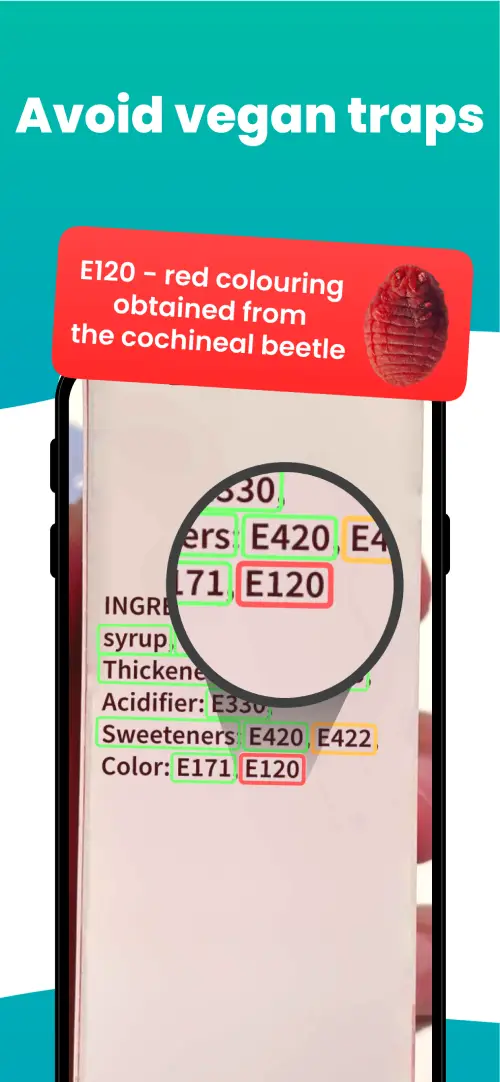
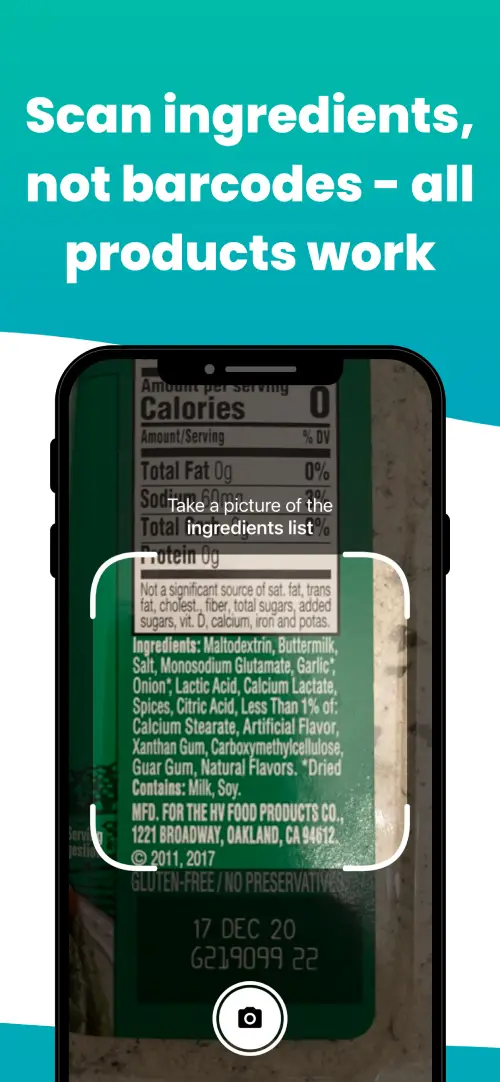
We've built a vegan ingredients scanner that classifies food ingredients as "vegan", "non-vegan", or "potentially vegan".
It allows you to avoid non-vegan ingredients - just take a picture of a product's ingredient list, and the app tells you if the product is vegan or not.



Check out other ingredients:
Is corn gluten vegan?Is corn cereal vegan?Are corn peas vegan?Is coriander root vegan?Is corn powder vegan?Is corn sugar vegan?Is fd&c red color no. 40 vegan?Is fd&c red color 40 vegan?Is fd&c red 40 vegan?Is fdc red 40 vegan?Is milled sugar cane vegan?Is fruit fibre vegan?
We'll never send you spam.