
Is fruit & vegetable juice vegan?
Fruit & vegetable juice is a vegan food ingredient.
Checking out an ingredients list? 👇
"You are amazing, this has saved me so much time when grocery shopping!"
— Austin, a user who reached out with feedback
"It's been a great tool since starting my journey! You take a pic of the nutrition/ingredients, and it'll warn you of anything questionable or not vegan. 😁"
— Ashe, a Vegan For Beginners Facebook Group member
"Use a vegan app when you go shopping, I use WhatsVegan."
— Dóra, a Vegan For Beginners Facebook Group member
So, what is fruit & vegetable juice?
The Essence of Plant Purity: Understanding Fruit & Vegetable Juice
Fruit and vegetable juice stands as a cornerstone of plant-based diets, celebrated for its inherent purity and direct derivation from nature's bounty. From a foundational perspective of animal ethics, fruit and vegetable juice is unequivocally vegan. Its very essence is the liquid extract of plants, making it a quintessential plant-based alternative in its most fundamental form.
The process of creating juice typically involves crushing or pressing fruits and vegetables, then extracting their liquid content. This liquid, brimming with natural sugars, vitamins, and minerals, is entirely derived from botanical sources. There are no animal products or byproducts involved in the inherent composition of the juice itself. It naturally aligns with a cruelty-free lifestyle, as its production does not necessitate the exploitation or harm of animals.
However, for the discerning vegan food scientist or consumer committed to ultimate purity, a deeper dive into processing and additives is warranted, though these considerations seldom change the vegan status of the core juice. While the juice itself is inherently plant-based, some brands might employ certain processing aids for clarification or shelf stability. Historically, some traditional beverage clarification methods, particularly in industries like wine, utilized animal-derived agents like gelatin (from bovine or porcine sources) or isinglass (from fish bladders). Yet, for the vast majority of mainstream fruit and vegetable juices, especially those marketed for direct consumption, such fining agents are rarely, if ever, used. Modern processing favors plant-based alternatives like bentonite clay, activated charcoal, or advanced filtration systems, ensuring that even this secondary layer of processing remains consistent with vegan principles.
Another area of occasional scrutiny involves label transparency regarding any added ingredients. While not related to the core juice itself, some commercial juices might include added vitamins (like certain forms of Vitamin D3 derived from lanolin), artificial colors, or flavors. A vigilant vegan consumer will always check ingredient lists for such additions to ensure they are also cruelty-free and plant-derived. Fortunately, the market trend leans towards "clean labels," with many brands offering 100% pure juice with no added sugars, colors, or preservatives, simplifying the ethical choice for consumers.
The vibrant colors and refreshing textures of various juices—from the deep crimson of beet juice to the bright orange of carrot or the verdant hue of spinach and apple blends—are all testament to their wholly botanical origin. These characteristics are naturally occurring, a direct reflection of the plants from which they are squeezed. As such, fruit and vegetable juice remains a steadfast and reliable option for anyone embracing a vegan diet, embodying the very principles of ethical sourcing and plant-centric nutrition.
How to quickly find the source of ingredients like fruit & vegetable juice?
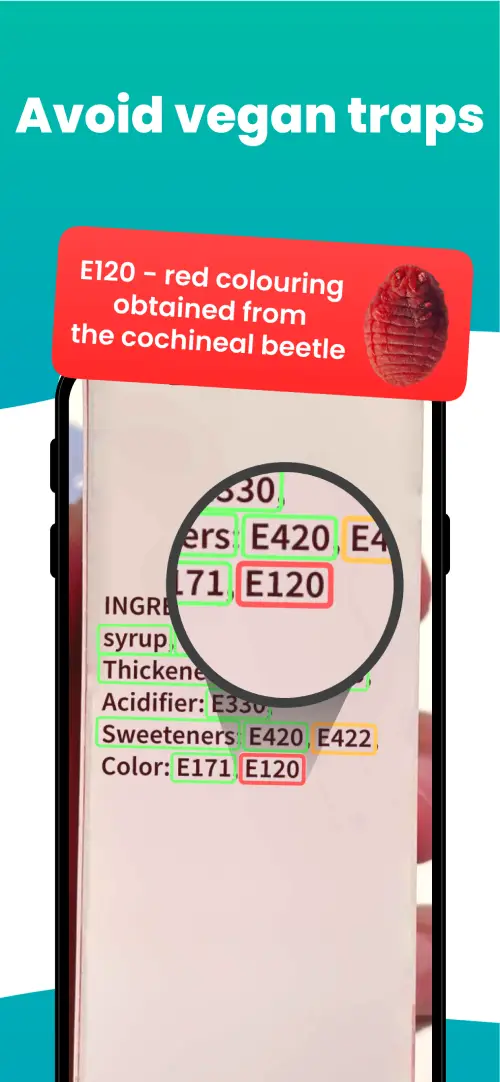
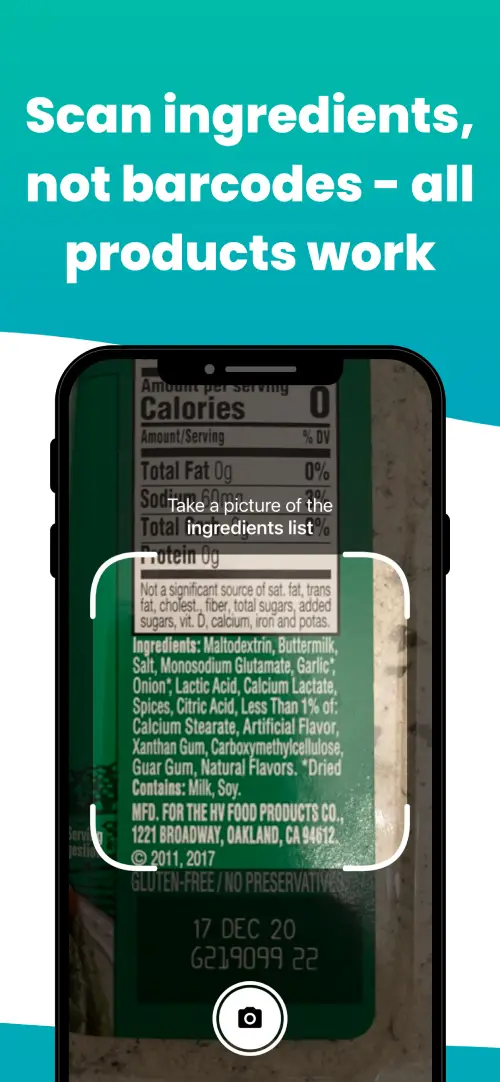
We've built a vegan ingredients scanner that classifies food ingredients as "vegan", "non-vegan", or "potentially vegan".
It allows you to avoid non-vegan ingredients - just take a picture of a product's ingredient list, and the app tells you if the product is vegan or not.



Check out other ingredients:
Is l-theanine vegan?Is sulfuric acid sodium salt vegan?Is whole grain flour blend vegan?Is mono sodium hydrogen sulfate vegan?Is flaxmeal vegan?Is sodium acid sulfate vegan?Is sea blite vegan?Is sukkerkulør vegan?Is himalayan black salt vegan?Is karamelsuikersiroop vegan?Is heraproteiini vegan?Is phospholipides de soja vegan?
We'll never send you spam.