
Is l-theanine vegan?
L-theanine is a vegan food ingredient.
Checking out an ingredients list? 👇
"You are amazing, this has saved me so much time when grocery shopping!"
— Austin, a user who reached out with feedback
"It's been a great tool since starting my journey! You take a pic of the nutrition/ingredients, and it'll warn you of anything questionable or not vegan. 😁"
— Ashe, a Vegan For Beginners Facebook Group member
"Use a vegan app when you go shopping, I use WhatsVegan."
— Dóra, a Vegan For Beginners Facebook Group member
So, what is l-theanine?
L-Theanine: Navigating Its Origins and Ethical Purity
L-theanine, a naturally occurring amino acid, has garnered significant attention for its calming yet focused effects, without inducing drowsiness. As conscious consumers increasingly scrutinize the origins and processing of every ingredient, understanding the ethical purity of compounds like L-theanine becomes paramount. For those adhering to a vegan lifestyle, the excellent news is that L-theanine stands as a steadfastly vegan ingredient.
The Plant-Based Genesis of L-Theanine
The primary natural source of L-theanine is the tea plant (Camellia sinensis), particularly green tea. It's the compound largely responsible for tea's distinctive umami flavor and its unique ability to promote a state of relaxed alertness. Beyond tea, it's also found in some mushrooms, notably Boletus badius. Its presence exclusively in plant matter is the foundational reason for its vegan status from an animal ethics perspective. There are no animal inputs required for its natural formation or initial extraction. This makes it an inherently cruelty-free component, perfectly aligned with plant-based diets.
When derived directly from tea leaves or certain fungi, L-theanine is simply isolated and purified from these botanical sources. This process typically involves water extraction, filtration, and crystallization, none of which traditionally involve animal-derived processing aids. Therefore, as a direct plant extract, it is unequivocally vegan.
Modern Production and Vegan Assurance
While natural extraction is one method, much of the L-theanine available today, especially in supplements, is produced through a controlled fermentation or enzymatic synthesis process. This method precisely replicates the L-theanine molecule found in nature. Crucially, these synthetic pathways do not employ any animal-derived starting materials or intermediates. Instead, they utilize plant-based or synthetic precursors, making the resulting L-theanine identical in structure and function to its naturally occurring counterpart, while maintaining its vegan integrity.
This synthetic approach ensures a consistent and pure supply, free from concerns about agricultural contaminants sometimes associated with large-scale plant cultivation. From a food science perspective, this method offers a highly reliable and ethically sound source for formulators seeking to create truly plant-based, cruelty-free products.
Ensuring Purity: Beyond the Ingredient Itself
While L-theanine itself is vegan, a critical consideration for consumers lies in the final product's formulation. Label transparency is key. When selecting supplements or fortified foods containing L-theanine, always check the full ingredient list. Common examples of where animal-derived components might inadvertently appear include:
Capsule Shells: Gelatin, derived from animal collagen, is a common material for capsules. Always look for "vegetable capsules" or "cellulose capsules." Binding Agents/Coatings: While less common for L-theanine itself, some processing aids or coatings in the final product might have animal origins. Reputable brands will explicitly state "vegan" on their product labels, indicating due diligence across all components. Cross-Contamination:* Though rare for a core ingredient like L-theanine, facilities handling both animal and plant-derived products could pose a theoretical risk. However, most manufacturers supplying vegan-certified brands maintain stringent separation protocols.
In conclusion, L-theanine is a pure, plant-derived or ethically synthesized amino acid that stands firmly within the vegan domain. Its origins in tea leaves and its modern production methods are entirely free from animal exploitation, making it a trusted ingredient for those committed to a plant-based lifestyle. By focusing on products that offer comprehensive label transparency and specifically state "vegan," consumers can confidently integrate L-theanine into their ethical dietary choices.
How to quickly find the source of ingredients like l-theanine?
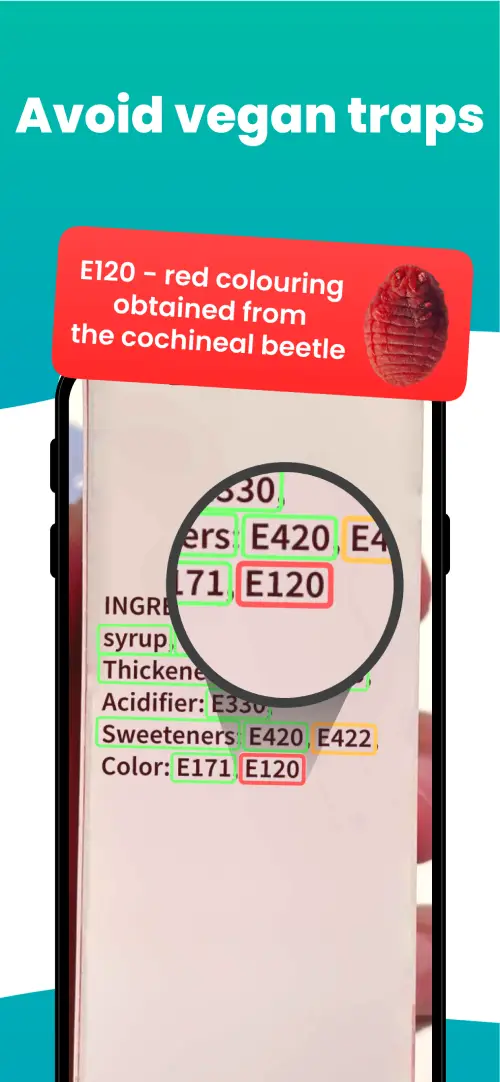
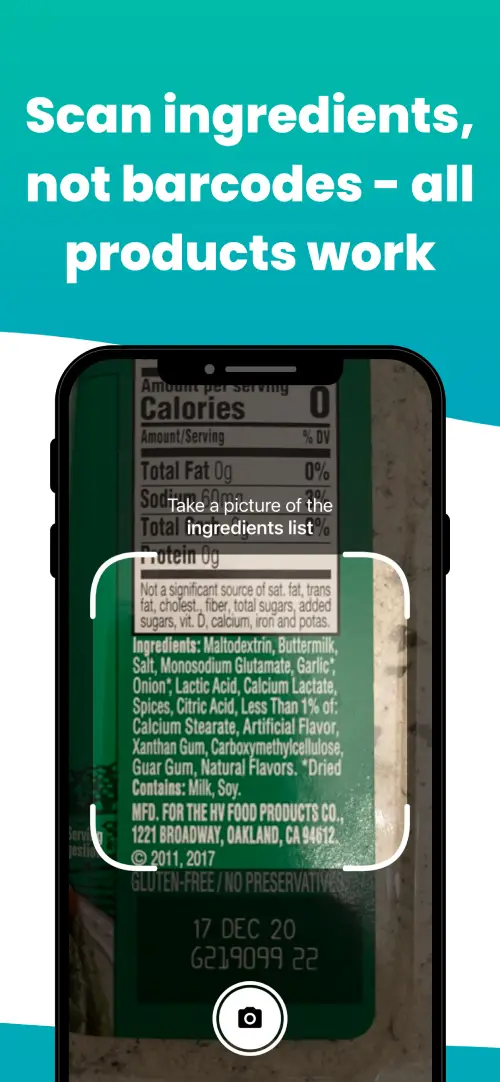
We've built a vegan ingredients scanner that classifies food ingredients as "vegan", "non-vegan", or "potentially vegan".
It allows you to avoid non-vegan ingredients - just take a picture of a product's ingredient list, and the app tells you if the product is vegan or not.



Check out other ingredients:
Is fruit & vegetable juice vegan?Is puffed wholegrain wheat vegan?Is vitamin k-1 vegan?Is sulfuric acid sodium salt vegan?Is filtered carbonated water vegan?Is sodium hydrosulfate vegan?Is whole grain flour blend vegan?Is monosodium salt vegan?Is dark rye flour vegan?Is mono sodium hydrogen sulfate vegan?Is sodium acid sulfate vegan?Is flaxseed meal vegan?
We'll never send you spam.