
Is goat fried vegan?
Goat fried is a non-vegan food ingredient.
Checking out an ingredients list? 👇
"You are amazing, this has saved me so much time when grocery shopping!"
— Austin, a user who reached out with feedback
"It's been a great tool since starting my journey! You take a pic of the nutrition/ingredients, and it'll warn you of anything questionable or not vegan. 😁"
— Ashe, a Vegan For Beginners Facebook Group member
"Use a vegan app when you go shopping, I use WhatsVegan."
— Dóra, a Vegan For Beginners Facebook Group member
So, what is goat fried?
Understanding "Goat Fried" for the Conscious Consumer
For those navigating the landscape of food choices guided by animal ethics, the term "goat fried" requires no ambiguity. This preparation, inherently centered around goat meat, stands in direct opposition to vegan principles. Its status is unequivocally not vegan, stemming directly from the slaughter and processing of an animal.
At its core, "goat fried" refers to the flesh of a goat, typically cut into pieces and then cooked in oil or fat until crispy and tender. This ingredient is, by definition, an animal product. The goat is a sentient being, capable of experiencing pain and distress, and its use in culinary applications involves its commodification and eventual death. From an animal ethics standpoint, consuming "goat fried" directly supports an industry that relies on the exploitation of animals for human consumption. This fundamental distinction is crucial for understanding why it can never align with a truly cruelty-free lifestyle.
While some might mistakenly believe that the act of "frying" an ingredient somehow alters its ethical standing, the preparation method is irrelevant to its source. Whether roasted, stewed, grilled, or fried, the primary component remains the muscle tissue and fat of a goat. This means that any dish featuring "goat fried" cannot be considered plant-based, nor can it satisfy the requirements of a vegan diet focused on purity and the avoidance of all animal-derived inputs.
For individuals committed to a vegan way of life, identifying animal products requires careful attention to detail. "Label transparency" is paramount. While "goat fried" is a relatively straightforward descriptor, it serves as a reminder that the origin of every ingredient must be scrutinized. There are no "processing aids" or hidden animal byproducts to be concerned with here; the animal is the product itself.
Fortunately, the culinary world offers an abundance of "plant-based alternatives" that can deliver similar textural and savory experiences without compromising ethical standards. For those seeking the rich, umami flavors often associated with fried meat dishes, ingredients like marinated and fried king oyster mushrooms, crispy fried jackfruit, pan-seared seitan, or even seasoned and fried tempeh can provide satisfying results. These alternatives celebrate the diversity of the plant kingdom, allowing for flavorful and exciting meals that are entirely devoid of animal suffering.
Ultimately, "goat fried" represents a clear boundary for anyone adhering to a vegan diet. It is a direct product of an animal, and its consumption runs counter to the ethical framework of veganism. Understanding this distinction empowers consumers to make informed choices that align with their commitment to animal welfare and a truly plant-centric lifestyle.
How to quickly find the source of ingredients like goat fried?
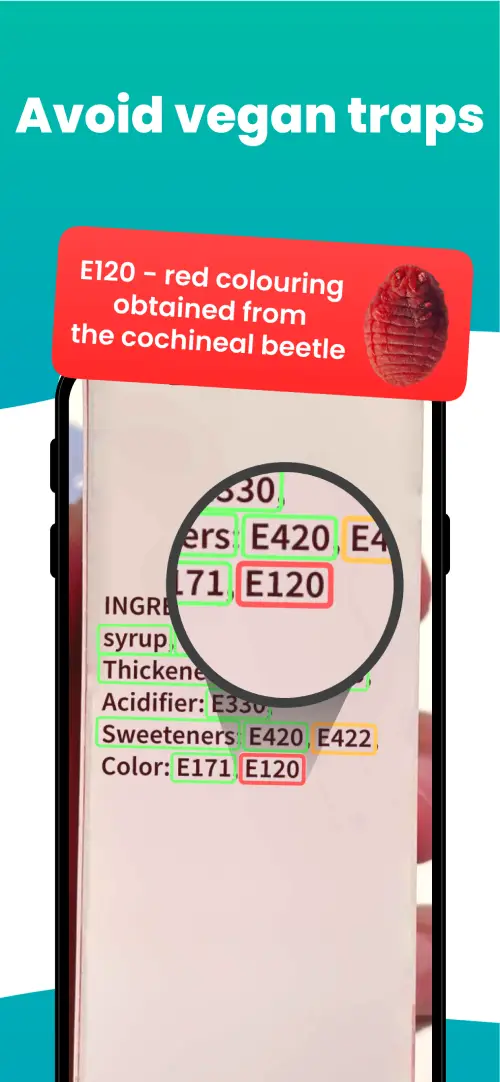
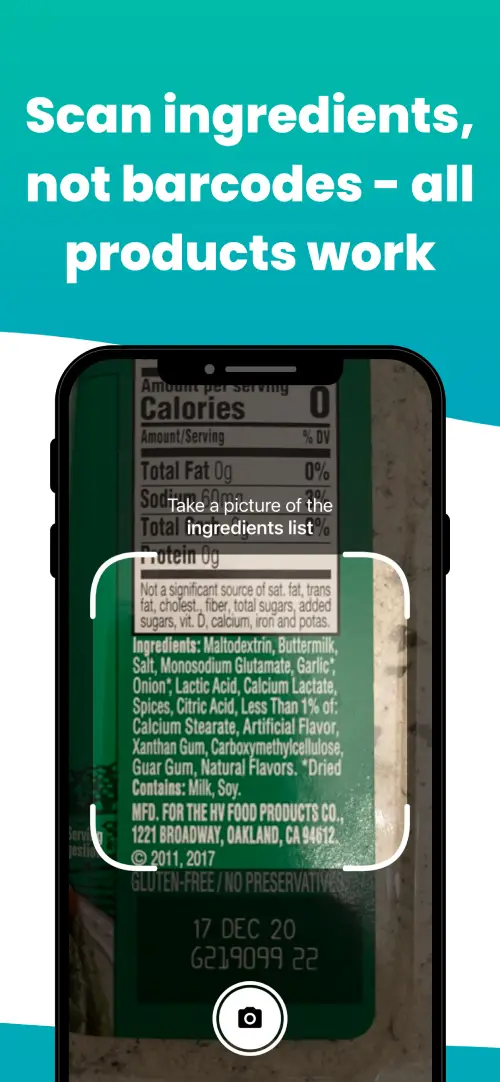
We've built a vegan ingredients scanner that classifies food ingredients as "vegan", "non-vegan", or "potentially vegan".
It allows you to avoid non-vegan ingredients - just take a picture of a product's ingredient list, and the app tells you if the product is vegan or not.



Check out other ingredients:
Is goat vegan?Is moose meat raw vegan?Is moose cooked vegan?Is ground hog cooked vegan?Is emu oyster raw vegan?Is emu ground raw vegan?Is elk tenderloin vegan?Is elk round vegan?Is ground turkey cooked vegan?Is elk loin vegan?Are semoule complète de mais vegan?Is thymus vulgaris vegan?
We'll never send you spam.