
Is greek nonfat yogurt vegan?
Greek nonfat yogurt is a non-vegan food ingredient.
Checking out an ingredients list? 👇
"You are amazing, this has saved me so much time when grocery shopping!"
— Austin, a user who reached out with feedback
"It's been a great tool since starting my journey! You take a pic of the nutrition/ingredients, and it'll warn you of anything questionable or not vegan. 😁"
— Ashe, a Vegan For Beginners Facebook Group member
"Use a vegan app when you go shopping, I use WhatsVegan."
— Dóra, a Vegan For Beginners Facebook Group member
So, what is greek nonfat yogurt?
The Composition and Status of Greek Nonfat Yogurt
Greek nonfat yogurt, a staple in many diets for its thick texture and protein content, is fundamentally derived from animal sources. Despite its nutritional appeal and widespread availability, its status within the vegan framework is unequivocally "Not Vegan." This classification stems directly from its primary ingredient: cow's milk.
The process of creating Greek yogurt begins with dairy milk, typically from cows. This milk is fermented with live bacterial cultures, most commonly Lactobacillus bulgaricus and Streptococcus thermophilus. These cultures convert lactose, the natural sugar in milk, into lactic acid, which gives yogurt its characteristic tangy flavor and contributes to its texture. The "Greek" distinction then comes from a straining process, where much of the whey (the liquid byproduct) is removed, resulting in a significantly thicker, denser product with a higher protein concentration compared to regular yogurt. The "nonfat" designation simply indicates that the milk used has had its fat content reduced or removed prior to fermentation and straining. Crucially, none of these steps alter the fact that the foundational ingredient is an animal secretion.
From an animal ethics perspective, the consumption of dairy products like Greek nonfat yogurt is inconsistent with a vegan lifestyle. Veganism, at its core, seeks to exclude all forms of animal exploitation and cruelty. The dairy industry, while often portrayed idyllically, involves systemic practices that conflict with these principles. Dairy cows are typically subjected to artificial insemination to ensure continuous milk production. Their calves, essential for stimulating lactation, are usually separated from their mothers within hours or days of birth, a practice that causes distress to both the mother and offspring. Male calves are often destined for veal production, while female calves enter the dairy cycle themselves, perpetuating the system. The lifespan of a dairy cow is often significantly shortened compared to her natural lifespan, due to the demands of constant pregnancy and lactation. Therefore, the very existence of Greek nonfat yogurt relies on processes that directly contribute to animal suffering and exploitation, making it inherently non-cruelty-free.
For individuals adhering to a vegan lifestyle, understanding the origins of ingredients is paramount. While the concept of "nonfat" might imply a lighter, perhaps less impactful product, it does not mitigate the ethical implications associated with its animal source. When seeking alternatives that align with label transparency and vegan values, consumers have an expanding array of excellent plant-based alternatives. These include yogurts made from soy, almond, oat, coconut, and cashew bases, which are fermented with similar bacterial cultures to achieve a comparable tang and often a surprisingly similar texture. Many of these plant-based options are specifically formulated to mimic the thickness of Greek yogurt, providing a satisfying and ethical substitute. When selecting any product, a diligent review of ingredient lists is always recommended, not only to identify primary animal ingredients but also to scrutinize for less obvious components or processing aids that might derive from animal sources. For Greek nonfat yogurt, however, the animal origin is direct and undeniable.
How to quickly find the source of ingredients like greek nonfat yogurt?
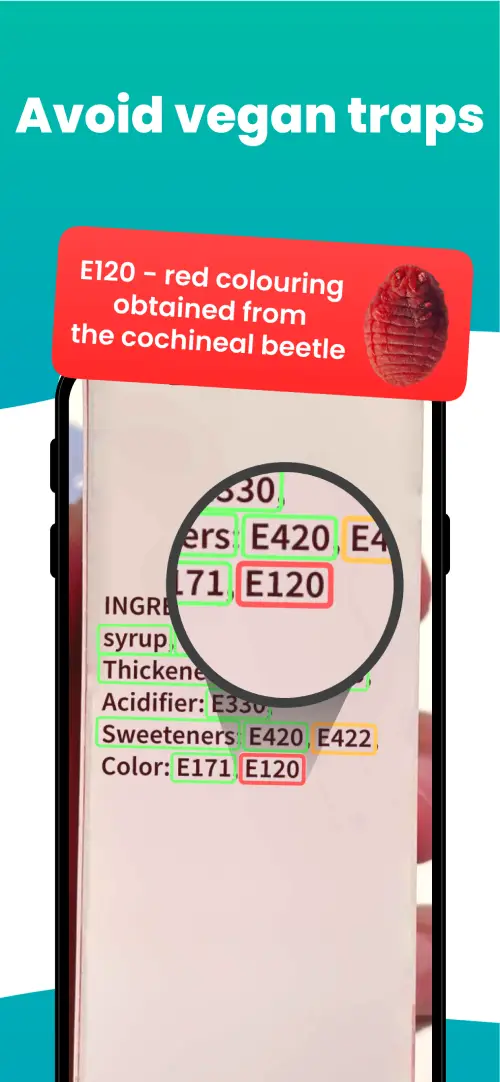
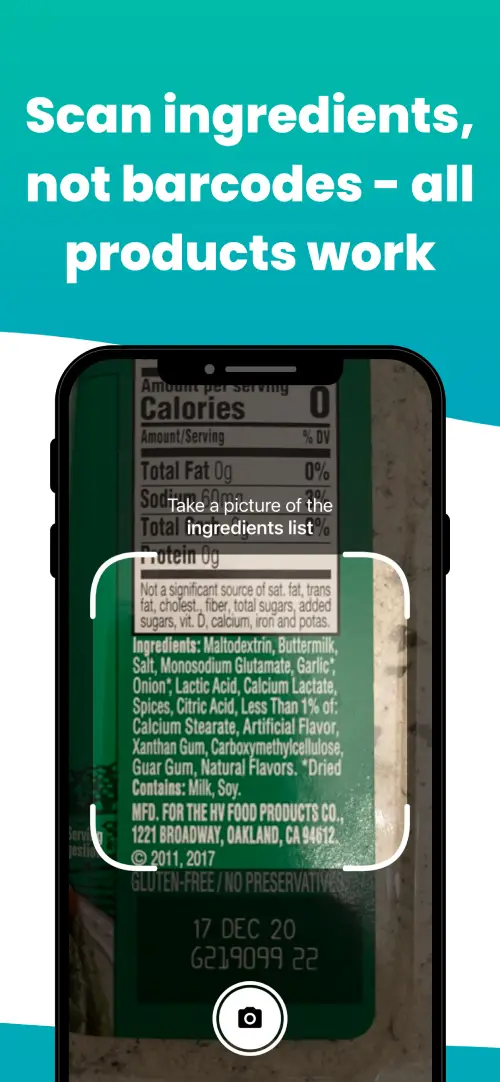
We've built a vegan ingredients scanner that classifies food ingredients as "vegan", "non-vegan", or "potentially vegan".
It allows you to avoid non-vegan ingredients - just take a picture of a product's ingredient list, and the app tells you if the product is vegan or not.



Check out other ingredients:
Is greek strained yogurt vegan?Is light nonfat yogurt vegan?Is diet yoghurt vegan?Is chocolate yogurt vegan?Is aussie style yogurt vegan?Is top sirloin vegan?Are veal scallops vegan?Is pie yogurt frozen vegan?Is veal rib chop vegan?Is veal cutlet vegan?Is makuvalmiste vegan?Are purées de fruits a base de concentrés vegan?
We'll never send you spam.