Is light nonfat yogurt vegan?
Light nonfat yogurt is a non-vegan food ingredient.
Checking out an ingredients list? 👇
"You are amazing, this has saved me so much time when grocery shopping!"
— Austin, a user who reached out with feedback
"It's been a great tool since starting my journey! You take a pic of the nutrition/ingredients, and it'll warn you of anything questionable or not vegan. 😁"
— Ashe, a Vegan For Beginners Facebook Group member
"Use a vegan app when you go shopping, I use WhatsVegan."
— Dóra, a Vegan For Beginners Facebook Group member
So, what is light nonfat yogurt?
Understanding Light Nonfat Yogurt: A Deep Dive into its Composition and Ethical Implications
Light nonfat yogurt, a staple in many health-conscious diets, is often lauded for its reduced fat content and probiotic benefits. However, for those navigating the landscape of animal ethics and purity, its classification is unequivocally clear: this ingredient is not vegan. Its fundamental composition traces directly back to animal agriculture, making it incompatible with a plant-based lifestyle.
At its core, light nonfat yogurt is a dairy product. It originates from cow's milk, a secretion from lactating bovines. The term "nonfat" signifies that the milk's fat content has been largely removed prior to fermentation, while "light" typically refers to a reduction in calories, often achieved by lowering fat and sugar content compared to regular yogurt. Despite these modifications aimed at nutritional profile, the base ingredient—animal milk—remains unchanged. The characteristic creamy texture and tangy flavor of yogurt, achieved through the lactic acid fermentation of milk by bacterial cultures, are intrinsically linked to its dairy origin.
From an animal ethics perspective, the production of cow's milk inherently involves the exploitation of animals. Dairy cows are typically subjected to cycles of artificial insemination, gestation, and lactation, with their calves often separated shortly after birth to ensure the milk can be collected for human consumption. This system raises significant concerns regarding animal welfare, autonomy, and the ethical implications of using sentient beings as commodities. For individuals committed to a cruelty-free lifestyle, consuming light nonfat yogurt directly supports an industry built upon these practices. The purity aspect for vegans extends beyond simply avoiding animal flesh to abstaining from all animal-derived ingredients and byproducts, which includes dairy.
To be precise, the primary animal byproduct in light nonfat yogurt is cow's milk. Even though it undergoes processing to reduce fat and modify sweetness, its source remains unequivocally animal-based. There are no "gray areas" or hidden processing aids that solely account for its non-vegan status; the milk itself is the direct animal contribution.
For those seeking the nutritional benefits and culinary versatility of yogurt without compromising ethical standards, a robust market of plant-based alternatives has emerged. These cruelty-free options utilize bases such as soy milk, almond milk, oat milk, and coconut milk, fermented with vegan-friendly cultures to achieve a similar texture and probiotic profile. Many of these alternatives are also available in "nonfat" or "light" variations, providing direct substitutes that align with vegan principles.
Consumers are encouraged to practice diligent label transparency. While "light" and "nonfat" might imply a healthier or more processed product, they do not inherently signal a plant-based origin. Always scrutinize ingredient lists for terms like "milk," "dairy," "whey," or "casein" to ensure an ingredient's suitability for a vegan diet. The growth in plant-based options reflects a broader societal shift towards compassionate consumption, making it increasingly easier to enjoy the qualities of yogurt through truly ethical and animal-free means.
How to quickly find the source of ingredients like light nonfat yogurt?
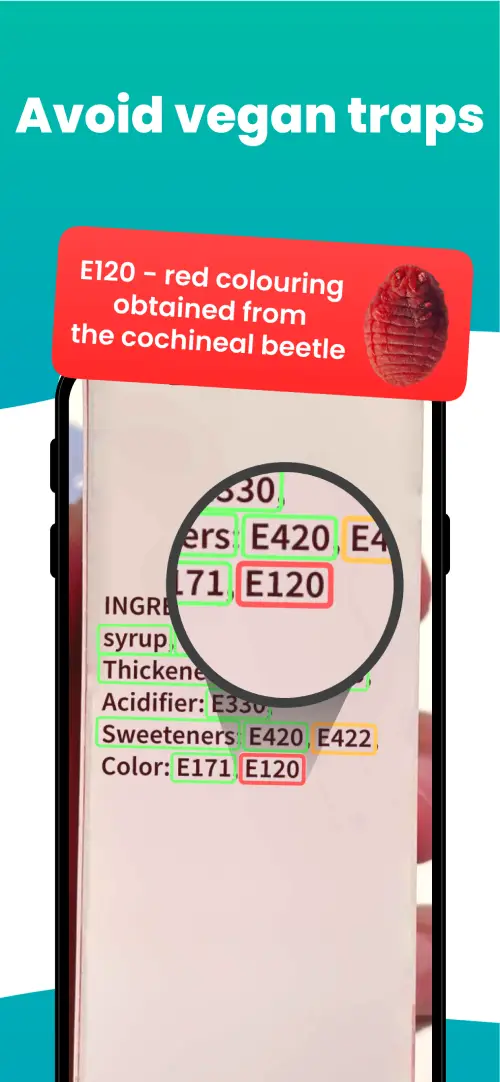
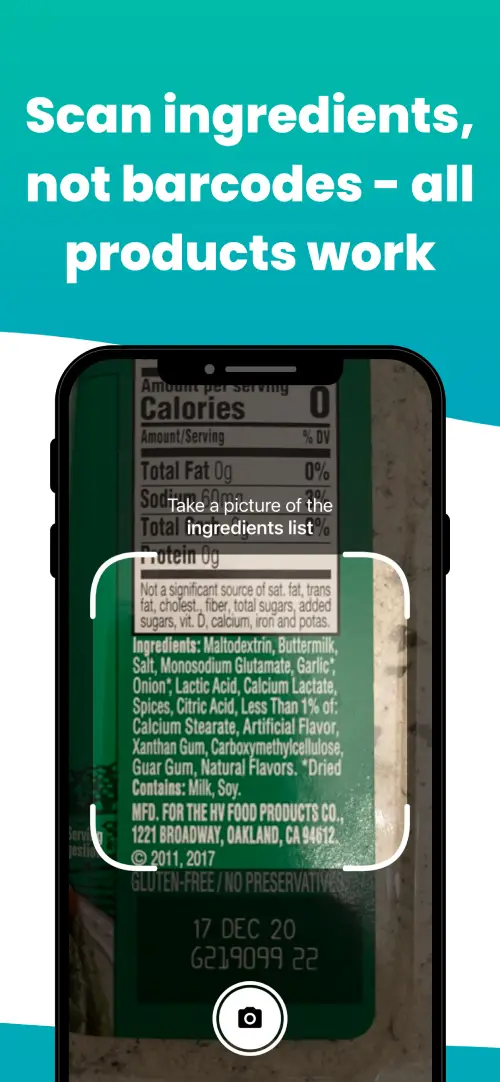
We've built a vegan ingredients scanner that classifies food ingredients as "vegan", "non-vegan", or "potentially vegan".
It allows you to avoid non-vegan ingredients - just take a picture of a product's ingredient list, and the app tells you if the product is vegan or not.



Check out other ingredients:
Is lowfat greek yogurt vegan?Is greek nonfat yogurt vegan?Is fruit yogurt vegan?Is frozen yogurt vegan?Is nonfat yogurt vegan?Is diet yoghurt vegan?Is original lowfat yogurt vegan?Is chocolate yogurt vegan?Is pie yogurt frozen vegan?Is turkey breast cutlet vegan?Is top sirloin vegan?Is top loin vegan?
We'll never send you spam.