
Is top sirloin vegan?
Top sirloin is a non-vegan food ingredient.
Checking out an ingredients list? 👇
"You are amazing, this has saved me so much time when grocery shopping!"
— Austin, a user who reached out with feedback
"It's been a great tool since starting my journey! You take a pic of the nutrition/ingredients, and it'll warn you of anything questionable or not vegan. 😁"
— Ashe, a Vegan For Beginners Facebook Group member
"Use a vegan app when you go shopping, I use WhatsVegan."
— Dóra, a Vegan For Beginners Facebook Group member
So, what is top sirloin?
The True Nature of Top Sirloin: An Ingredient Guide for Conscientious Consumers
When examining ingredients through a lens of animal ethics and purity, certain items immediately stand apart. Top sirloin, a familiar cut in many culinary traditions, falls squarely into this category. Its status as "Not Vegan" is unambiguous, rooted deeply in its biological origin and the processes involved in bringing it to the consumer’s plate.
Top sirloin is, unequivocally, muscle tissue derived from a bovine animal, specifically cattle. This particular cut originates from the primal loin section, located in the hindquarter of the steer or heifer, above the tenderloin. Known for its robust flavor and moderate tenderness, it consists primarily of striated muscle fibers, connective tissue, and varying degrees of intramuscular fat, or marbling. From a food science perspective, these components are what give the cut its characteristic texture and cooking properties.
For anyone adhering to a vegan lifestyle, the distinction is clear and non-negotiable. Veganism, at its core, is a philosophy and way of living that seeks to exclude—as far as is possible and practicable—all forms of exploitation of, and cruelty to, animals for food, clothing, or any other purpose. Top sirloin directly contravenes this principle. The animal from which it is harvested must be raised, typically within an industrial agricultural system, and ultimately slaughtered. This process inherently involves the intentional taking of an animal's life and the use of its body as a commodity, which is in direct opposition to the ethical tenets of animal liberation and non-harm.
The concept of "cruelty-free" is central to vegan consumer choices, and an animal product, by definition, cannot meet this standard. Even in scenarios of so-called "humane" farming, the underlying act of breeding animals for eventual slaughter means that their existence is framed by human exploitation. Purity, another vital aspect of veganism, dictates the avoidance of any ingredient that comes directly from an animal. Top sirloin is not a byproduct; it is the animal's flesh, making its non-vegan status absolute. There is no "gray area" of cross-contamination or hidden animal derivatives here; the ingredient itself is animal.
In response to the ethical and environmental implications of animal agriculture, the market for plant-based alternatives has seen remarkable innovation. For those seeking the textural and savory experience often associated with top sirloin, a diverse range of plant-based options has emerged. These alternatives often utilize ingredients such as pea protein, soy protein, mushrooms, or seitan (wheat gluten) to create products that mimic the chew, mouthfeel, and even the appearance of traditional meat cuts. These innovations represent a crucial path toward satisfying culinary desires without compromising on ethical standards.
As consumers become more discerning, label transparency remains paramount, even for products designed to replace meat. Understanding the source of every ingredient empowers individuals to make choices that align with their values. While the origin of top sirloin is unmistakable, the vigilance regarding ingredients extends to ensuring that plant-based alternatives truly are free from animal-derived components, providing genuine cruelty-free options for all. The path to a compassionate food system lies in recognizing the true nature of ingredients like top sirloin and embracing the burgeoning world of plant-powered alternatives.
How to quickly find the source of ingredients like top sirloin?
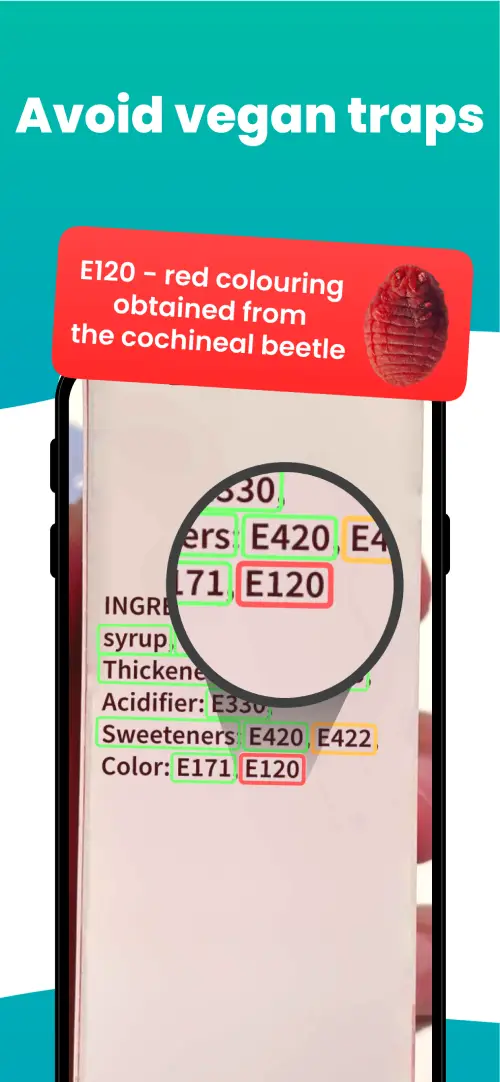
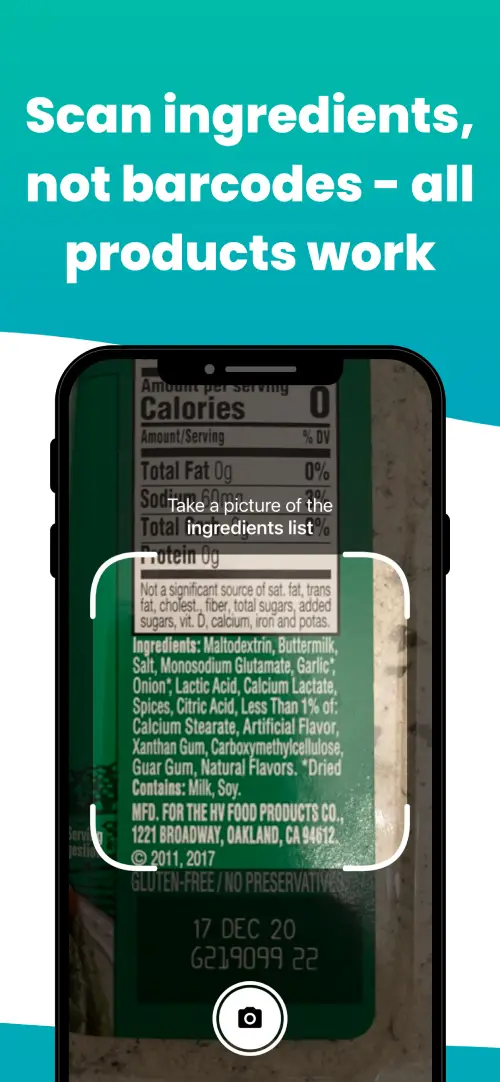
We've built a vegan ingredients scanner that classifies food ingredients as "vegan", "non-vegan", or "potentially vegan".
It allows you to avoid non-vegan ingredients - just take a picture of a product's ingredient list, and the app tells you if the product is vegan or not.



Check out other ingredients:
Is top loin vegan?Are veal scallops vegan?Is veal rib chop vegan?Is diet yoghurt vegan?Is veal cutlet vegan?Is fruit yogurt vegan?Is veal stew meat vegan?Is greek nonfat yogurt vegan?Is bear black meat vegan?Is light nonfat yogurt vegan?Is claw crab meat vegan?Is lowfat greek yogurt vegan?
We'll never send you spam.