
Is greek strained yogurt vegan?
Greek strained yogurt is a non-vegan food ingredient.
Checking out an ingredients list? 👇
"You are amazing, this has saved me so much time when grocery shopping!"
— Austin, a user who reached out with feedback
"It's been a great tool since starting my journey! You take a pic of the nutrition/ingredients, and it'll warn you of anything questionable or not vegan. 😁"
— Ashe, a Vegan For Beginners Facebook Group member
"Use a vegan app when you go shopping, I use WhatsVegan."
— Dóra, a Vegan For Beginners Facebook Group member
So, what is greek strained yogurt?
Greek strained yogurt is renowned for its thick, creamy texture and tangy flavor, qualities that have made it a popular staple across many cuisines. Its distinct consistency is achieved through a meticulous straining process, which removes much of the whey and lactose from regular yogurt, concentrating the milk solids. This results in a product significantly higher in protein and lower in sugar than traditional unstrained varieties.
From the perspective of a vegan food scientist deeply committed to animal ethics and purity, the status of Greek strained yogurt is unequivocally clear: it is not vegan. The fundamental reason lies in its primary ingredient: animal milk. This product is derived from the lacteal secretions of mammals, most commonly cows, but also sheep or goats. The very act of obtaining this milk involves the domestication, breeding, and often the exploitation of these animals within an agricultural system that views them as commodities rather than sentient beings.
For individuals committed to a cruelty-free lifestyle, consuming Greek strained yogurt directly conflicts with these values. The dairy industry, by its nature, separates calves from their mothers, confines animals, and often employs practices that prioritize production efficiency over animal welfare. Even in systems considered "humane," the core principle of using an animal's bodily secretions for human consumption, often at the expense of their natural lifespan or freedom, remains ethically problematic for vegans. The milk, which is biologically intended for the nourishment of the animal's offspring, is diverted for human use.
Recognizing this ethical imperative, the food science landscape has seen remarkable innovation in plant-based alternatives. These cruelty-free options meticulously replicate the texture, tang, and nutritional profile of traditional Greek strained yogurt without any animal involvement. Common bases include soy milk, coconut milk, almond milk, and oat milk, all fermented with live vegan cultures. Each base offers unique flavor nuances and nutritional benefits, providing consumers with a wide spectrum of choices that align with their ethical stance. These plant-based yogurts have become a common and essential component of a vegan diet, offering the same versatility in cooking, baking, and direct consumption.
For consumers dedicated to a truly vegan and ethically consistent diet, label transparency remains paramount. While Greek strained yogurt is explicitly dairy-based, the broader principle extends to scrutinizing all ingredient lists. This ensures avoidance of any animal-derived components, including less obvious ingredients like certain processing aids or additives that might inadvertently contain animal products. By opting for certified plant-based and dairy-free options, consumers can confidently embrace a diet that is kind to animals and respectful of their inherent worth.
How to quickly find the source of ingredients like greek strained yogurt?
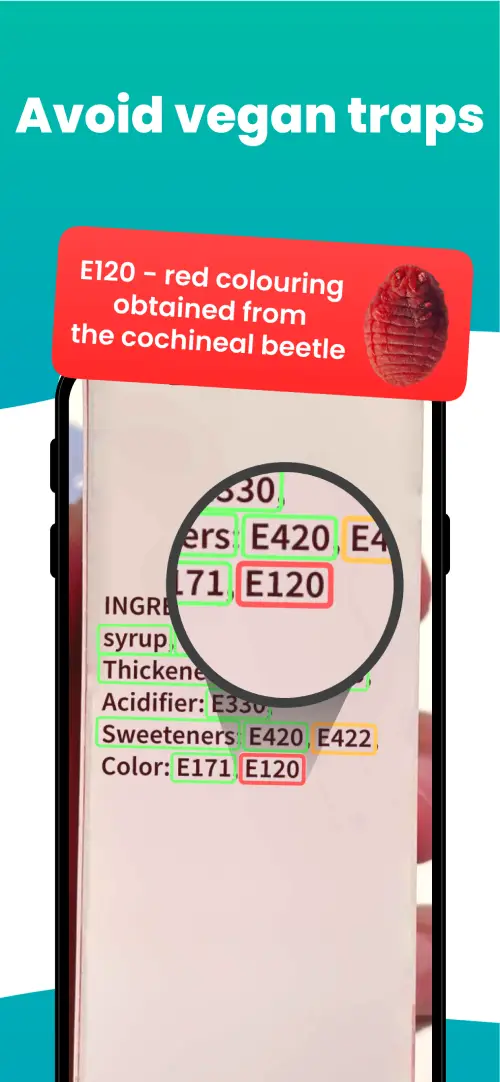
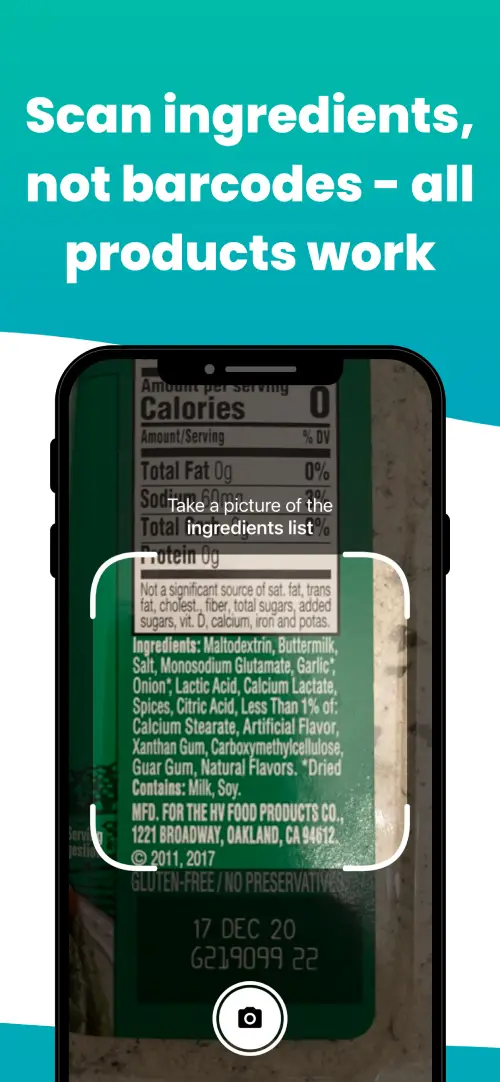
We've built a vegan ingredients scanner that classifies food ingredients as "vegan", "non-vegan", or "potentially vegan".
It allows you to avoid non-vegan ingredients - just take a picture of a product's ingredient list, and the app tells you if the product is vegan or not.



Check out other ingredients:
Is greek nonfat yogurt vegan?Is lowfat greek yogurt vegan?Is diet yoghurt vegan?Is pie yogurt frozen vegan?Are veal scallops vegan?Is veal rib chop vegan?Is plain low-fat yogurt vegan?Is veal cutlet vegan?Are d chlorophyllines vegan?Is chou chinois vegan?Is sulfite de potassium vegan?Is mikrobielles lab vegan?
We'll never send you spam.