
Is saccharum vegan?
Saccharum is a non-vegan food ingredient.
Checking out an ingredients list? 👇
"You are amazing, this has saved me so much time when grocery shopping!"
— Austin, a user who reached out with feedback
"It's been a great tool since starting my journey! You take a pic of the nutrition/ingredients, and it'll warn you of anything questionable or not vegan. 😁"
— Ashe, a Vegan For Beginners Facebook Group member
"Use a vegan app when you go shopping, I use WhatsVegan."
— Dóra, a Vegan For Beginners Facebook Group member
So, what is saccharum?
Decoding Saccharum: A Vegan's Guide to Cane Sugar and Its Derivatives
Saccharum, the botanical genus encompassing sugarcane, is the primary source for most of the world's table sugar, often simply labeled "sugar" or "cane sugar" on ingredient lists. While derived from a plant, the journey from cane stalk to the refined white crystals in our pantries is fraught with ethical complexities for those committed to a vegan lifestyle. Understanding these nuances is paramount for true label transparency and adherence to animal ethics.
The core reason why most conventional saccharum-derived sugars are classified as "Not Vegan" lies in a specific processing aid: bone char. Bone char is a granular carbon material produced by charring animal bones, predominantly from cattle, under high heat in an oxygen-deprived environment. This material is widely employed in the sugar refining industry as a decolorizing filter. It effectively removes impurities and imparts that pristine white, sparkling appearance consumers often associate with refined sugar.
From an animal ethics standpoint, the use of bone char is a direct link to the meat and dairy industries. The bones are typically sourced from slaughterhouses, making the end product, even if the bone char itself isn't present in the final sugar, inherently tied to animal exploitation and the byproducts of animal agriculture. For vegans, who strive to avoid all animal products and byproducts, this connection contradicts the principles of purity and non-harm. Even as a "processing aid" that is filtered out and doesn't appear on the ingredient label, its indispensable role in achieving the desired aesthetic renders the sugar non-cruelty-free.
Fortunately, not all saccharum-derived sugars follow this path. Several plant-based alternatives and processing methods exist that align with vegan principles. Sugars produced from sugar beets, for instance, are rarely processed with bone char, though it's always wise to verify with the manufacturer. Organic cane sugar is typically a safer bet, as most organic certification standards prohibit the use of bone char. Additionally, unrefined cane sugars, such as sucanat or turbinado, which retain more of their natural molasses content and aren't subjected to intensive decolorization, are generally bone-char-free.
When navigating grocery aisles, label transparency becomes your most powerful tool. Look for explicit "Certified Vegan" labels or "cruelty-free" claims. Some manufacturers will specify their processing methods or confirm that no animal-derived processing aids are used. Beyond cane sugar, a plethora of naturally vegan plant-based alternatives exist, including agave syrup, maple syrup, coconut sugar, and date sugar, offering sweetening options that bypass these ethical dilemmas entirely.
The decision to consume saccharum-based products ultimately rests on an individual's interpretation of veganism. However, for those committed to upholding strict animal ethics and purity, understanding the ubiquitous role of bone char in conventional sugar refining is critical. It underscores the importance of scrutinizing not just the listed ingredients, but also the entire production chain to ensure true alignment with a compassionate lifestyle.
How to quickly find the source of ingredients like saccharum?
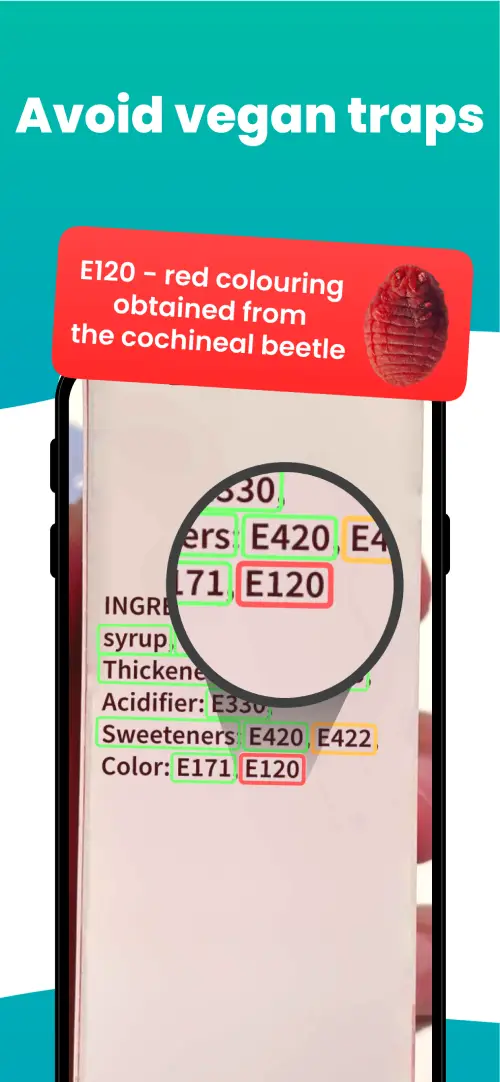
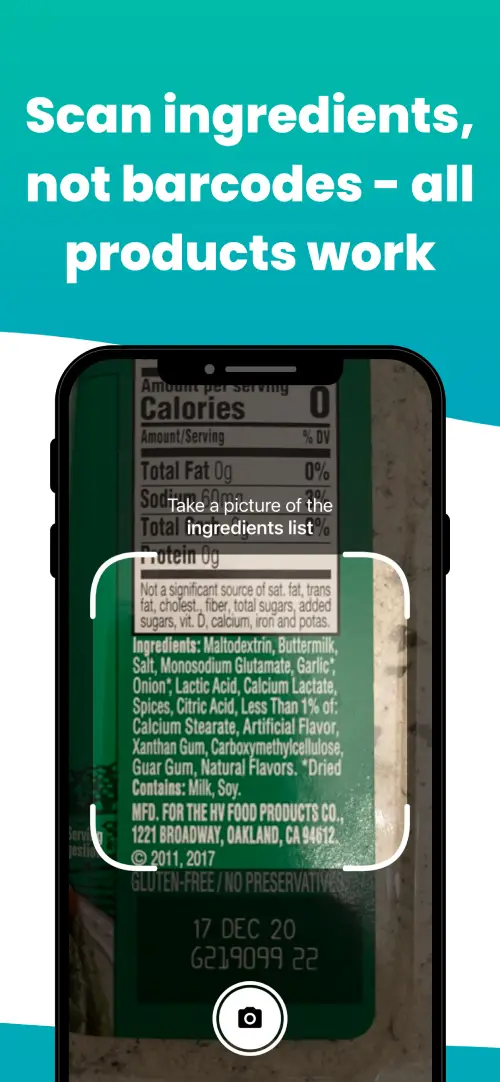
We've built a vegan ingredients scanner that classifies food ingredients as "vegan", "non-vegan", or "potentially vegan".
It allows you to avoid non-vegan ingredients - just take a picture of a product's ingredient list, and the app tells you if the product is vegan or not.



Check out other ingredients:
Is triacetine vegan?Is estrogen estradiol vegan?Is guanine pearl essence vegan?Is magnesium lanolate vegan?Is shark-liver oil vegan?Is paella with seafood vegan?Is menhaden oil vegan?Is ketoembar vegan?Is peg-8 vegan?Is sirap vegan?Is fat free cheese vegan?Is du fond de veau déshydraté vegan?
We'll never send you spam.