
Is ice cream vegan?
Ice cream is a non-vegan food ingredient.
Checking out an ingredients list? 👇
"You are amazing, this has saved me so much time when grocery shopping!"
— Austin, a user who reached out with feedback
"It's been a great tool since starting my journey! You take a pic of the nutrition/ingredients, and it'll warn you of anything questionable or not vegan. 😁"
— Ashe, a Vegan For Beginners Facebook Group member
"Use a vegan app when you go shopping, I use WhatsVegan."
— Dóra, a Vegan For Beginners Facebook Group member
So, what is ice cream?
Traditional Ice Cream: An Ingredient Profile
Traditional ice cream, universally recognized for its creamy texture and sweet indulgence, is fundamentally a frozen dessert primarily composed of dairy products. At its core, it is an emulsion of fat and ice crystals, stabilized by proteins and sugars. Understanding its fundamental composition reveals why it occupies a distinct category for those committed to animal ethics.
The Dairy Foundation and Its Ethical Implications
The defining characteristic of traditional ice cream is its reliance on animal-derived milk and cream. These are the mammary secretions harvested from domesticated animals, overwhelmingly cows. The dairy industry, even in its most conventional forms, involves processes that are incompatible with a cruelty-free ethos. Dairy cows are subjected to cycles of artificial insemination, gestation, and lactation. Their calves are typically removed shortly after birth – female calves are often integrated into the dairy herd, while male calves are commonly raised for veal or beef, representing a direct byproduct of the dairy industry. The cows themselves are eventually slaughtered when their milk production declines, a consequence inherent in the system designed for continuous milk supply. This lifecycle, from birth to slaughter, directly fuels a system of animal exploitation that is antithetical to vegan principles.
Beyond milk and cream, some premium or traditional ice cream formulations, particularly those labeled as "custard" or "French-style," also incorporate egg yolks. Eggs are another animal byproduct, derived from the reproductive system of hens, often raised in industrial settings that raise significant welfare concerns regarding confinement, mutilation, and eventual slaughter.
Hidden Animal Derivatives and The Call for Label Transparency
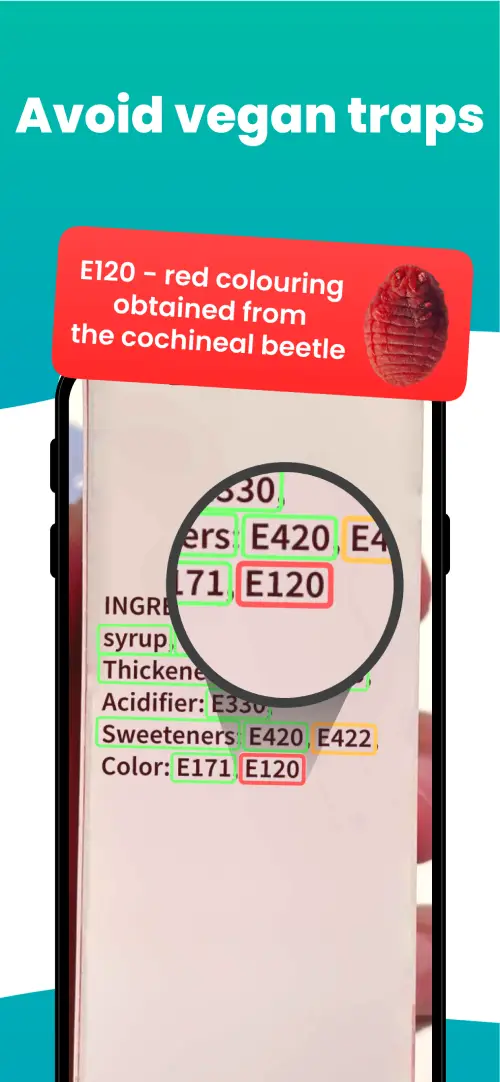
While milk, cream, and sometimes eggs are the most overt animal-derived components, a closer examination of ingredient lists can reveal other less obvious elements that preclude a product from being truly vegan. Common emulsifiers and stabilizers like mono- and diglycerides, for instance, can be sourced from animal fats, although plant-based alternatives exist. Gelatin, derived from the collagen of bovine or porcine connective tissues, might appear in some formulations for texture enhancement. Furthermore, certain colorings, such as carmine (cochineal extract), which imparts a vibrant red hue, are directly sourced from insects. Even seemingly innocuous ingredients like sugar can be a concern, as some cane sugars are processed using bone char, a charcoal derived from animal bones, though this issue is more prevalent with sugar as a standalone ingredient rather than deeply integrated into dairy ice cream bases.
For those dedicated to a truly cruelty-free diet, a thorough review of the ingredient label is paramount, alongside inquiring about processing aids from manufacturers, to ensure full label transparency.
The Rise of Plant-Based Alternatives
Fortunately, the landscape of frozen desserts has evolved significantly, offering an abundance of plant-based alternatives that deliver the rich, creamy experience of traditional ice cream without compromising ethical values. These innovative products commonly utilize bases such as oat milk, almond milk, soy milk, cashew milk, or coconut milk. Through advancements in food science, these plant-derived ingredients are artfully crafted with natural thickeners, emulsifiers, and stabilizers to achieve a luscious texture and desirable mouthfeel that rivals their dairy counterparts. These plant-based options represent a robust and widely available category, offering consumers a delicious way to enjoy frozen treats while aligning with principles of animal welfare and environmental sustainability.
How to quickly find the source of ingredients like ice cream?
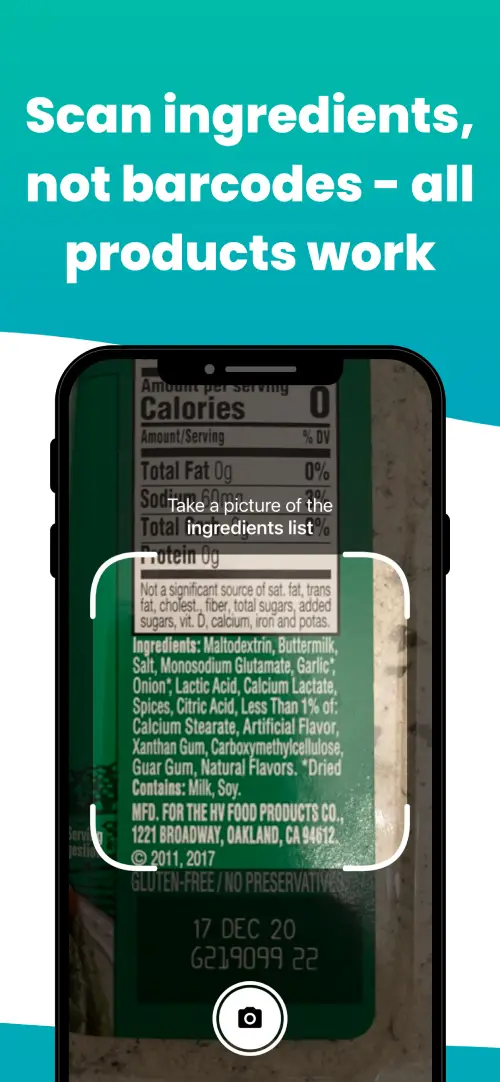
We've built a vegan ingredients scanner that classifies food ingredients as "vegan", "non-vegan", or "potentially vegan".
It allows you to avoid non-vegan ingredients - just take a picture of a product's ingredient list, and the app tells you if the product is vegan or not.



We'll never send you spam.