
Is yogurt smoothie vegan?
Yogurt smoothie is a non-vegan food ingredient.
Checking out an ingredients list? 👇
"You are amazing, this has saved me so much time when grocery shopping!"
— Austin, a user who reached out with feedback
"It's been a great tool since starting my journey! You take a pic of the nutrition/ingredients, and it'll warn you of anything questionable or not vegan. 😁"
— Ashe, a Vegan For Beginners Facebook Group member
"Use a vegan app when you go shopping, I use WhatsVegan."
— Dóra, a Vegan For Beginners Facebook Group member
So, what is yogurt smoothie?
Understanding the Traditional Yogurt Smoothie
For those committed to a vegan lifestyle, the term "yogurt smoothie" often presents an immediate point of ethical consideration. At its core, a conventional yogurt smoothie is unequivocally Not Vegan. This status stems directly from its primary ingredient: traditional yogurt, which is derived from animal milk.
Traditional yogurt production relies on the bacterial fermentation of milk, predominantly from cows, but also from goats, sheep, or buffalo. Milk itself is a secretion from lactating mammals, intended to nourish their offspring. From an animal ethics perspective, the consumption of dairy milk and its derivatives, like yogurt, directly supports an industry that involves the exploitation of animals. This includes practices such as forced artificial insemination, the separation of calves from their mothers shortly after birth, and the eventual slaughter of dairy cows once their milk production declines. For vegans, who adhere to principles of animal welfare and autonomy, these practices are fundamentally incompatible with their ethical framework.
Beyond the fundamental ingredient, it's worth noting that some conventional smoothies might incorporate other non-vegan elements, even if not directly part of the "yogurt" component. Ingredients like honey, often used as a sweetener, are animal-derived. Certain processing aids or fortifying agents, such as Vitamin D3 sourced from lanolin (sheep's wool fat) or cochineal (derived from insects) for color, could also inadvertently find their way into a blended beverage. This underscores the importance of stringent label transparency for consumers committed to cruelty-free consumption.
The good news for vegans and those transitioning to a plant-based diet is the proliferation of exceptional plant-based alternatives. The market now offers a vast array of yogurts crafted from soy, almond, coconut, oat, cashew, and even hemp milks. These alternatives undergo a similar fermentation process to their dairy counterparts, using specific bacterial cultures to achieve the familiar tangy flavor and creamy texture, without any animal products whatsoever.
When choosing ingredients for a vegan smoothie, look for products explicitly labeled "vegan" or "dairy-free." Scrutinizing ingredient lists is crucial to ensure no hidden animal-derived components. The rise of these cruelty-free plant-based yogurts means that the delicious, nutrient-rich experience of a "yogurt smoothie" is entirely accessible without compromising ethical principles or purity standards. The choice between a conventional, animal-derived yogurt smoothie and a plant-based one is not merely about dietary preference; it reflects a conscious decision to support a food system that respects animal life and promotes sustainable practices.
How to quickly find the source of ingredients like yogurt smoothie?
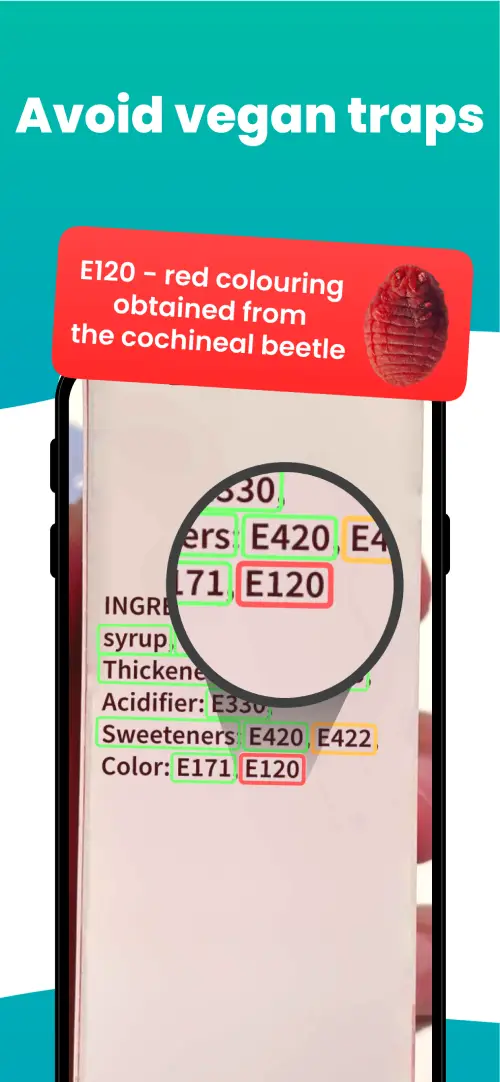
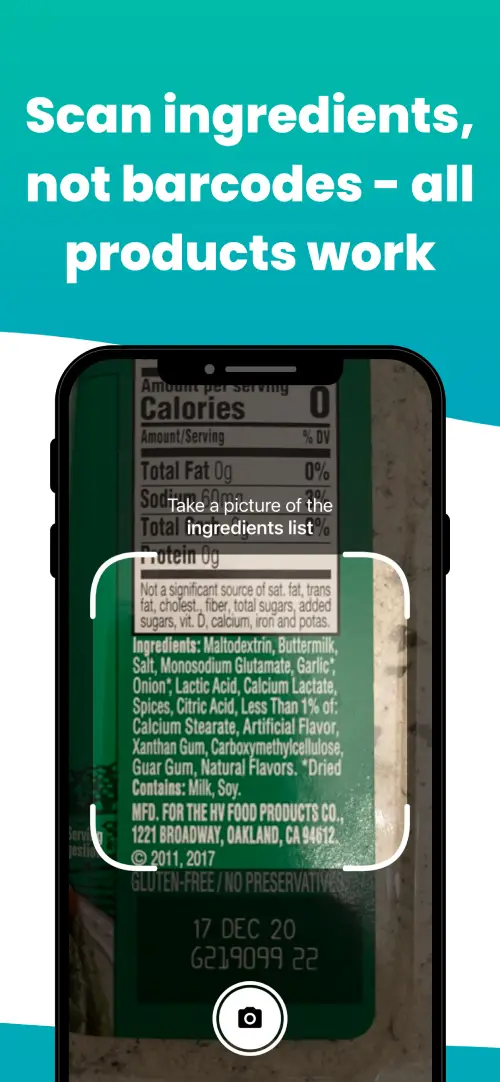
We've built a vegan ingredients scanner that classifies food ingredients as "vegan", "non-vegan", or "potentially vegan".
It allows you to avoid non-vegan ingredients - just take a picture of a product's ingredient list, and the app tells you if the product is vegan or not.



Check out other ingredients:
Is ice cream vegan?Is sour cream vegan?Is steak sauce vegan?Are chicken tenderloins vegan?Is animal tissue vegan?Is spleen vegan?Is chicken meal vegan?Is milk proteín vegan?Are chicken drumettes vegan?Is chicken collagen vegan?Is calcium lactobionate vegan?Is cream powder vegan?
We'll never send you spam.